Get your free personalized podcast brief
We scan new podcasts and send you the top 5 insights daily.
Jack Chang built a tabless browser with an agent pane and peek mode because current models can modify the application itself. He says plugins and extensions never let users reshape software this deeply; now he can build personalized workflows for his own editing and research.

Related Insights
Instead of using complex configuration files, the future of software involves users simply telling an AI agent what they want, and the agent rewrites the software to fit. This creates a truly malleable 'n of 1' experience, where applications mold themselves to each user's unique workflow through natural language.

Advanced AI like Astra dramatically lowers the barrier to creating highly custom software. Projects that were previously too complex for individuals—like reverse-engineering proprietary hardware or building a retro UI wrapper—can now be generated quickly, enabling a new wave of personalized applications.

Claude Mods allows users to customize the core functionality and UI of the Claude Code harness via prompting. This points to a future of "mutable software" where users can modify any application on the fly, driven by generative AI.

AI is moving beyond chat interfaces to generate simple, personalized UIs or "mini apps" connected to agents. This allows non-technical users to spin up bespoke software dashboards for their specific needs, like a project status tracker, heralding an era of accessible, truly personal software.

The barrier to creating software is collapsing. Non-coders can now build sophisticated, personalized applications for specific workflows in under an hour. This points to a future where individuals and teams create their own disposable, custom tools, replacing subscriptions to numerous niche SaaS products.

AI development environments are enabling individuals to move beyond integrating disparate SaaS tools. Users can now build custom, all-in-one applications tailored to their exact workflows, consolidating features like news aggregation, brand monitoring, and task management into a single, personal dashboard.

A new software paradigm, "agent-native architecture," treats AI as a core component, not an add-on. This progresses in levels: the agent can do any UI action, trigger any backend code, and finally, perform any developer task like writing and deploying new code, enabling user-driven app customization.
A design agency professional with no coding experience used the Moltbot agent to build 25 internal web services simply by describing the problems. This signals a paradigm shift where non-technical users can create their own hyper-personalized software, bypassing traditional development cycles and SaaS subscriptions.
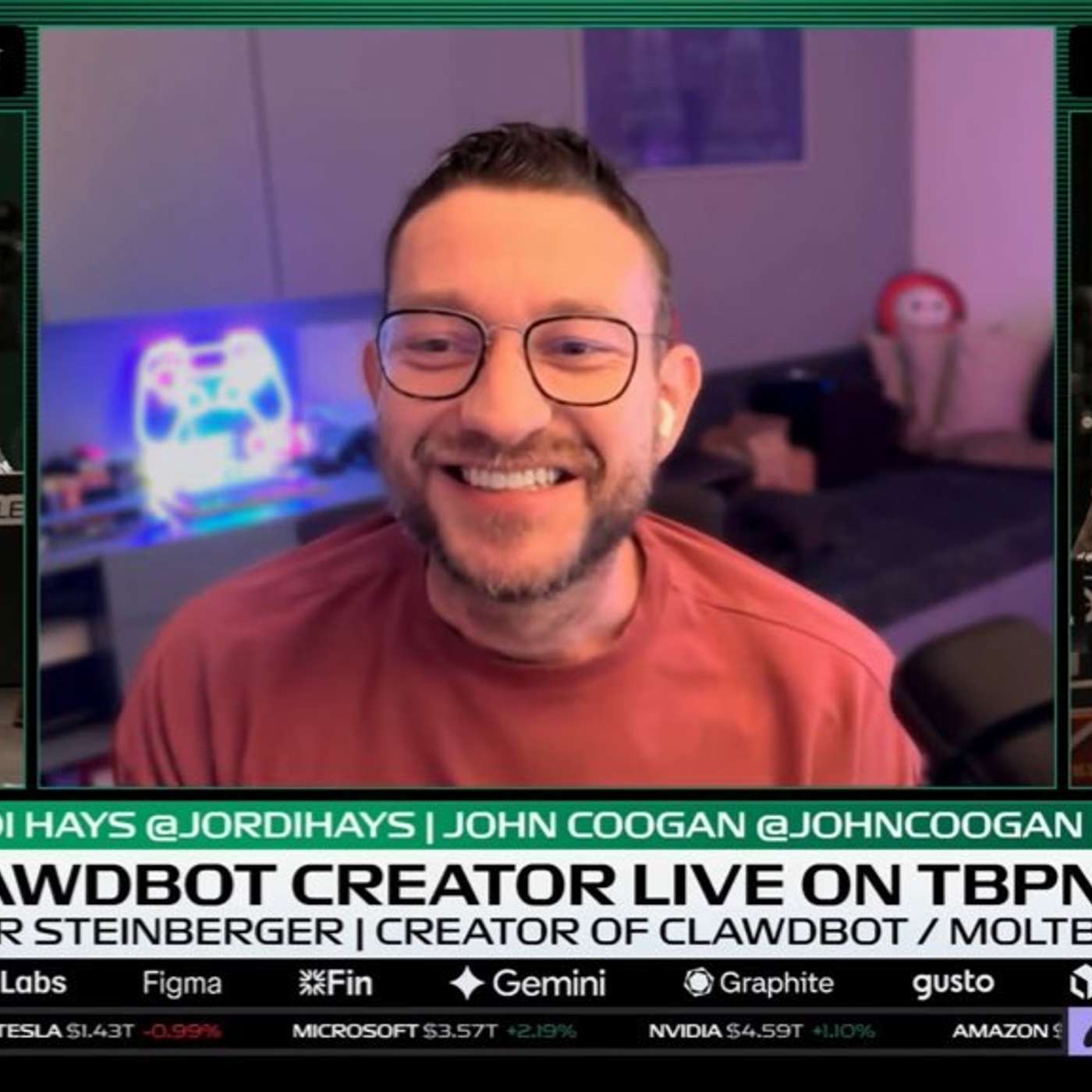
The excitement around tools like OpenClaw stems from their ability to empower non-programmers to create custom software and workflows. This replicates the feeling of creative power previously exclusive to developers, unlocking a long tail of niche, personalized applications for small businesses and individuals who could never build them before.
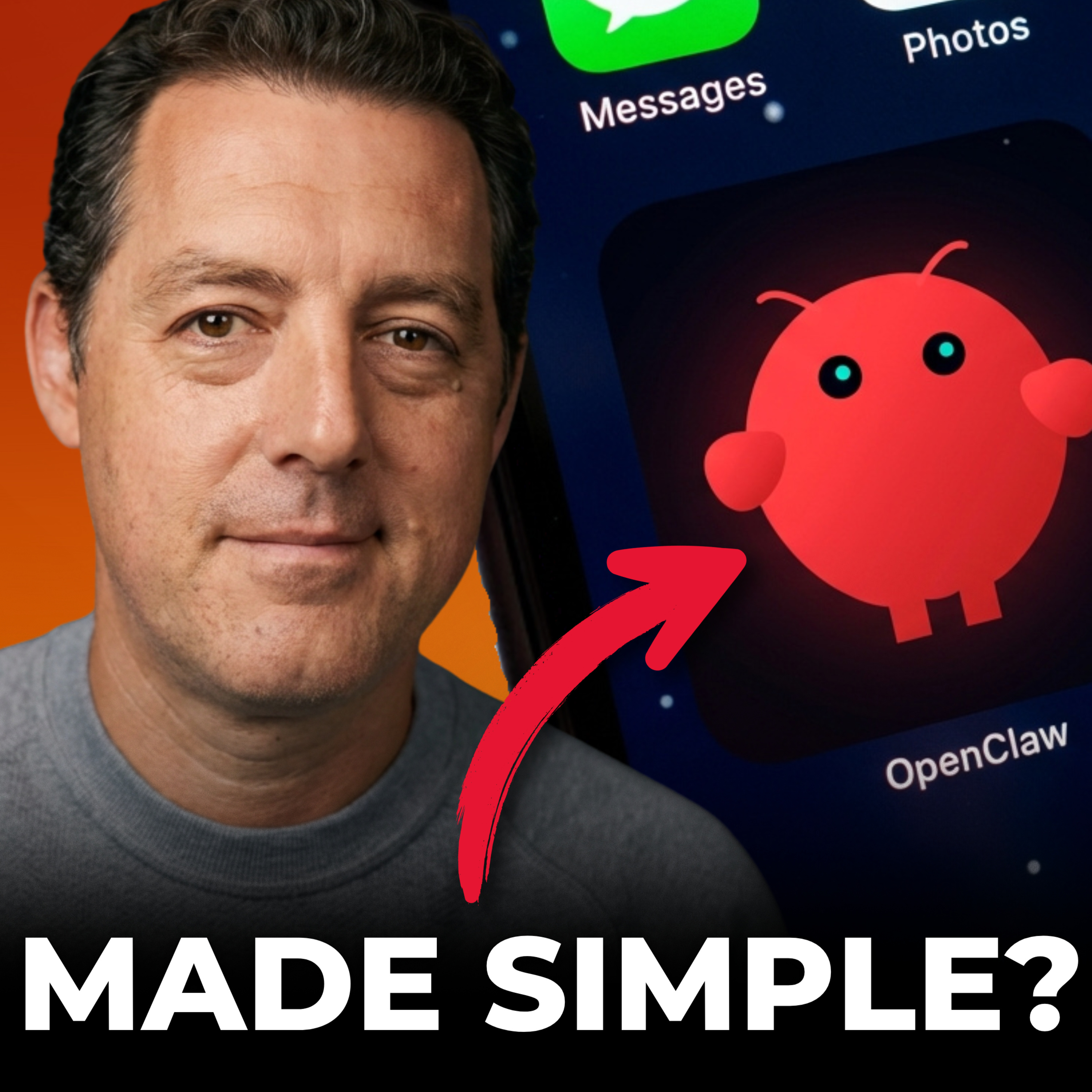
Non-technical users are leveraging agents like Moltbot to build their own hyper-personalized software. By simply describing a problem in natural language, they can create internal tools that perfectly solve their needs, eliminating the need to subscribe to many single-purpose SaaS applications.