Get your free personalized podcast brief
We scan new podcasts and send you the top 5 insights daily.
Unlike private equity firms that buy to flip, Bending Spoons never sells its acquisitions. This appeals to founders' sense of legacy and product passion, often making their high offer more compelling, as they commit to investing in the product's future.
Related Insights
Instead of competing on price, Lagercrantz offers founders assurance that their company's brand, team, and culture will be preserved. This non-financial value proposition of protecting a life's work is often more compelling to sellers of family-owned businesses than a slightly higher valuation from a PE firm that might integrate or dismantle the business.

Smaller companies can win acquisitions even when outbid by larger competitors by championing a collaborative integration. This involves a willingness to learn from and adopt the target company's superior processes, rather than simply imposing the acquirer's own systems, which appeals to founders who value their legacy.

Alex Bouaziz's core M&A principle, learned from his father, is to optimize for long-term satisfaction over short-term leverage. Even when holding the upper hand in negotiations, he structures deals to be fair for both sides. The goal is for both the acquirer and the acquired founder to look back in five years and feel the deal was a great outcome, ensuring better integration and alignment.

In a tough market, companies like Bending Spoons fill a critical ecosystem role. While not the glorious exit founders dream of, they offer a viable path to liquidity for employees and investors in struggling VC-backed companies. They function as a safety net, ensuring preference stacks get paid and capital is recycled.

Bending Spoons operates as a tech-focused version of Berkshire Hathaway, acquiring digital businesses like Evernote and AOL with the intent to hold and operate them forever. They use a large, in-house team of technical and product experts to radically transform these assets, funding new acquisitions from their balance sheet rather than operating as a traditional private equity fund that buys to flip.

Instead of focusing on transactional details, Milliken's M&A lead connects with founders on an emotional level. By understanding their ultimate vision, he frames the acquisition as the fastest path to achieving their dream, a question that has proven highly compelling and effective in closing deals.
Unlike PE firms that flip companies, Bending Spoons acquires digital businesses to own permanently. Their model focuses on deep operational overhauls—rebuilding software, redesigning UI, and restructuring organizations—rather than making shallow management changes, creating long-term value through operational excellence.
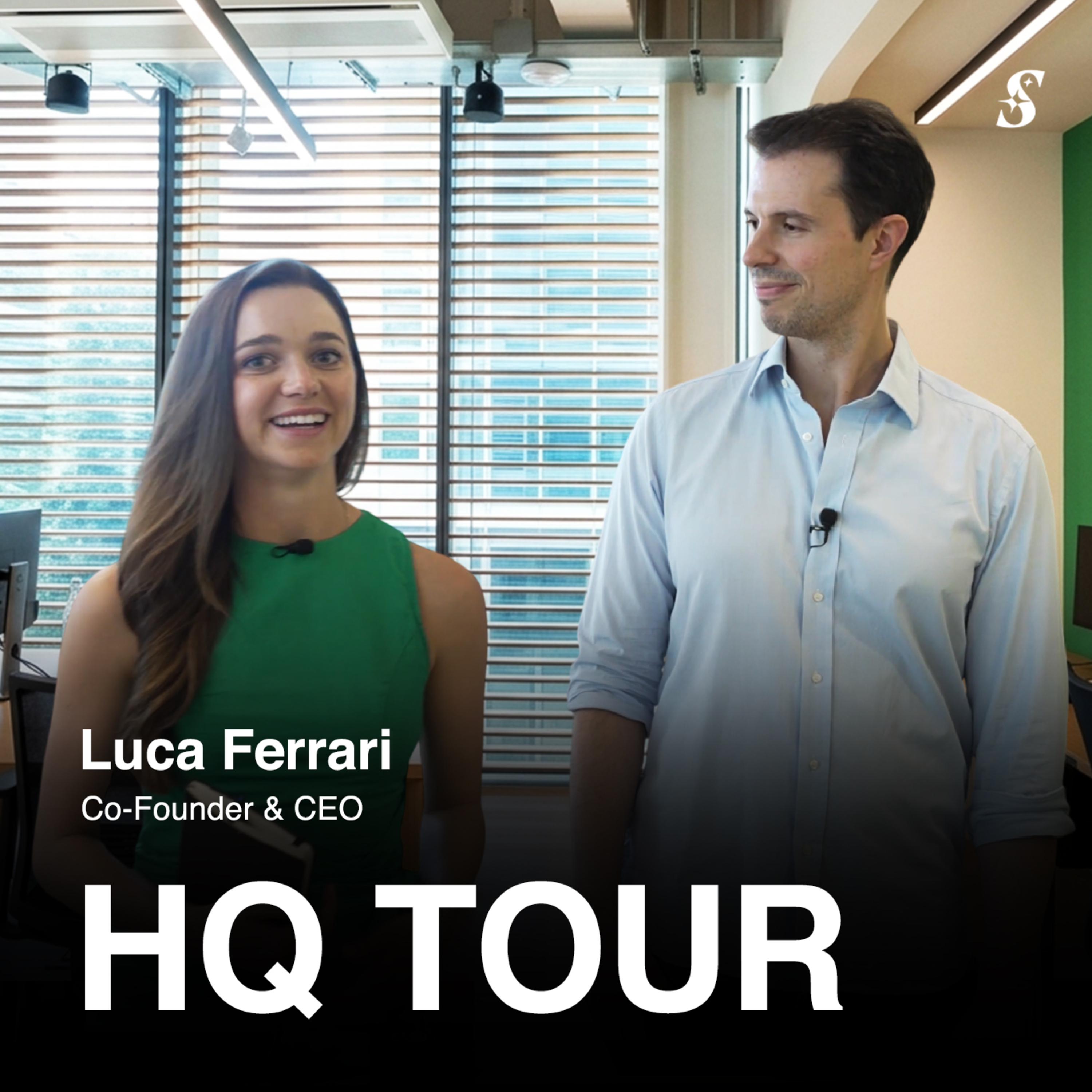
![Luca Ferrari - Building Bending Spoons - [Invest Like the Best, EP.446] thumbnail](https://megaphone.imgix.net/podcasts/b29cbd80-b93a-11f0-a1b7-2b977c9469a2/image/39f7864ea628f71a81b94662bd4a86df.jpg?ixlib=rails-4.3.1&max-w=3000&max-h=3000&fit=crop&auto=format,compress)
Traditional venture funds have a mandate to distribute shares post-IPO. A crossover investor can credibly promise a founder, 'I never have to sell your stock to get paid. If you execute, I can hold you forever.' This aligns the investor with the founder's long-term vision and offers stability.

Bending Spoons finds value in acquiring legacy brands because their user bases have survived decades of competition. These customers are 'self-selected' and highly resilient, reducing the risk of disruption compared to investing in a fast-growing but unproven company that has yet to face significant market challenges.

Unlike typical private equity deals that require founders to stay involved for several years, Bending Spoons can take full operational control from day one. This is a significant draw for founders who are ready to move on to their next project and want a clean, complete exit.