Get your free personalized podcast brief
We scan new podcasts and send you the top 5 insights daily.
Chris Dixon's early career in quant trading, while not his passion, provided a deep understanding of market mechanics and high-performance computing, which later informed his entrepreneurial and investing ventures, especially in crypto.

Related Insights
Casado views his journey from engineer (abstracting lines of code), to founder (abstracting a single company), to VC (abstracting a market of companies) as constantly "zooming out." Each step provides a broader perspective and faster, parallelized learning cycle than the last.
CEOs of ElevenLabs and Lovable argue their time at companies like Palantir and Google was essential for learning to build at scale, understand customer problems, and develop ambitious ideas. They doubt they would have succeeded starting right out of school.

Tim Guinness prioritizes recruiting graduates with engineering degrees for investment roles. He believes engineers are uniquely trained to make decisions with incomplete information and can handle complex numerical and statistical analysis, which are critical skills for evaluating companies.

Dixon highlights his brief time in VC as an invaluable learning experience. It provided a broad overview of the startup landscape and business fundamentals, serving as a compressed MBA for future entrepreneurs without significant prior business experience.
A16Z's crypto fund prioritizes founders who have spent their careers deeply immersed in a specific sub-industry, even if it's outside crypto. This deep understanding of a problem set, like traditional finance rails or restaurant tech, is a crucial ingredient for success when applying blockchain solutions.

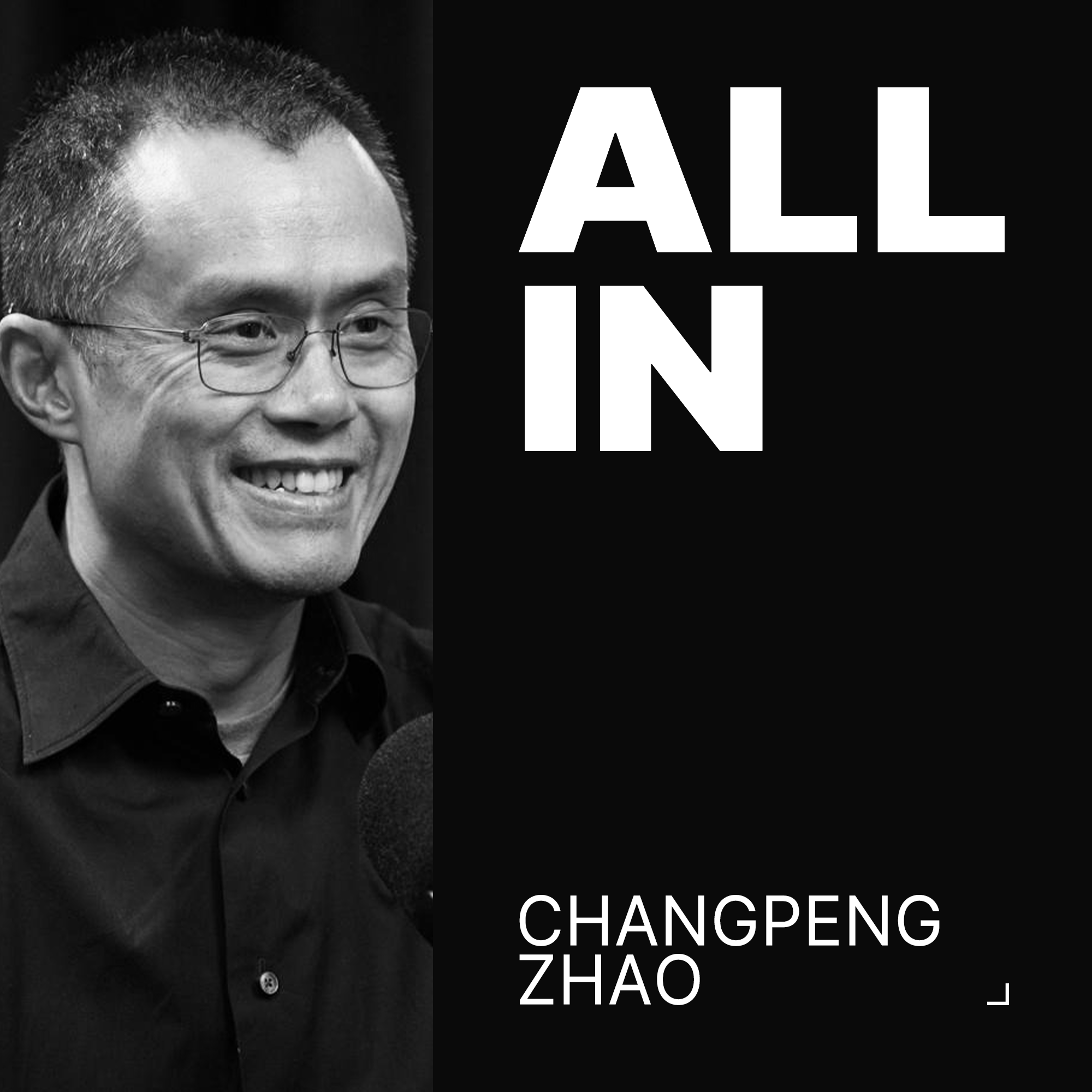
CZ spent nearly a decade, from his first internship in Tokyo to managing a team at Bloomberg, exclusively building low-latency order execution systems for traditional finance. This deep, niche expertise became his unfair advantage when building Binance's high-performance matching engine.
Investors seasoned in crypto's extreme volatility and market cycles develop a unique psychological resilience. This experience makes them better equipped to handle the comparatively minor fluctuations of traditional stock markets, allowing them to remain rational and stomach risks that would paralyze others.

Unlike other industries accustomed to deterministic software, the finance world is already familiar with non-deterministic systems through stochastic pricing models and market analysis. This cultural familiarity gives financial professionals a head start in embracing the probabilistic nature of modern AI tools.

In the late 90s, Credit Suisse's prop desk gained a significant edge through three key innovations: hiring technologists from IT departments and compensating them like traders, systematically collecting and cleaning data, and applying then-nascent natural language processing to trade on news feeds.

Before founding Factor, Ryan Rouse's 14 years in finance provided essential skills like communication and management not taught in startups. This corporate background also allowed him to build savings, enabling him to take the financial risk of starting a new venture without an immediate income, a crucial advantage over starting straight from school.