Get your free personalized podcast brief
We scan new podcasts and send you the top 5 insights daily.
The traditional drug-centric trial model is failing. The next evolution is trials designed to validate the *decision-making process* itself, using platforms to assign the best therapy to heterogeneous patient groups, rather than testing one drug on a narrow population.

Related Insights
Beyond scientific rigor, designing a truly effective clinical trial protocol is a creative process. It involves artfully controlling for variables, selecting novel endpoints, and structuring the study to answer the core question in the most elegant and precise way possible, much like creating a piece of art.
To overcome regulatory hurdles for "N-of-1" medicines, researchers are using an "umbrella clinical trial" strategy. This approach keeps core components like the delivery system constant while only varying the patient-specific guide RNA, potentially allowing the FDA to approve the platform itself, not just a single drug.

The most valuable lessons in clinical trial design come from understanding what went wrong. By analyzing the protocols of failed studies, researchers can identify hidden biases, flawed methodologies, and uncontrolled variables, learning precisely what to avoid in their own work.
An individual tumor can have hundreds of unique mutations, making it impossible to predict treatment response from a single genetic marker. This molecular chaos necessitates functional tests that measure a drug's actual effect on the patient's cells to determine the best therapy.
The future of medicine isn't about finding a single 'best' modality like CAR-T or gene therapy. Instead, it's about strategic convergence, choosing the right tool—be it a bispecific, ADC, or another biologic—based on the patient's specific disease stage and urgency of treatment.

With over 5,000 oncology drugs in development and a 9-out-of-10 failure rate, the current model of running large, sequential clinical trials is not viable. New diagnostic platforms are essential to select drugs and patient populations more intelligently and much earlier in the process.
Despite billions invested over 20 years in targeted and genome-based therapies, the real-world benefit to cancer patients has been minimal, helping only a small fraction of the population. This highlights a profound gap and the urgent need for new paradigms like functional precision oncology.
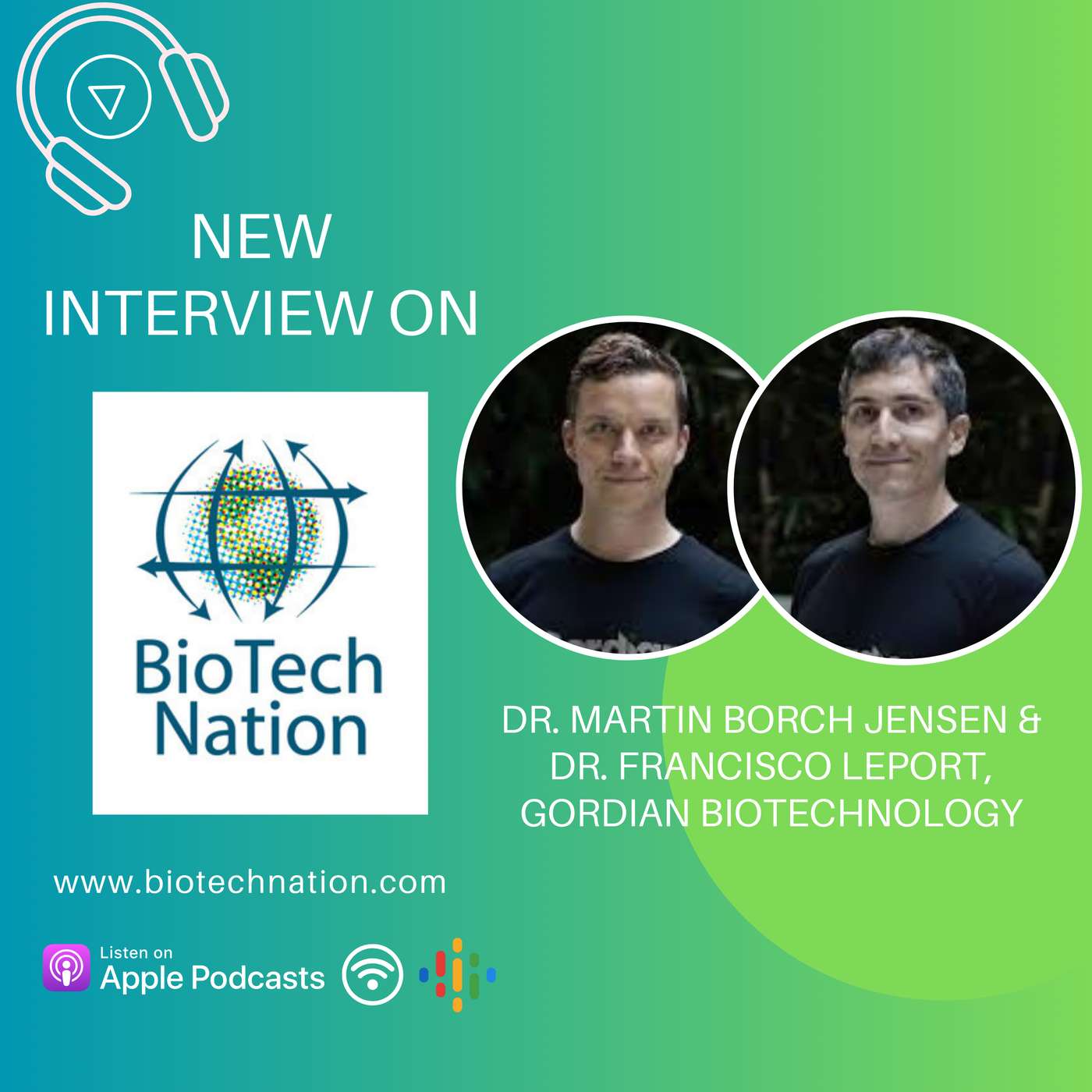
Unlike using genetically identical mice, Gordian tests therapies in large, genetically varied animals. This variation mimics human patient diversity, helping identify drugs that are effective across different biological profiles and addressing patient heterogeneity, a primary cause of clinical trial failure.
Modernizing trials is less about new tools and more about adopting a risk-proportional mindset, as outlined in ICH E6(R3) guidelines. This involves focusing rigorous oversight on critical data and processes while applying lighter, more automated checks elsewhere, breaking the industry's habit of treating all data with the same level of manual scrutiny.

The future of biotech moves beyond single drugs. It lies in integrated systems where the 'platform is the product.' This model combines diagnostics, AI, and manufacturing to deliver personalized therapies like cancer vaccines. It breaks the traditional drug development paradigm by creating a generative, pan-indication capability rather than a single molecule.
