Get your free personalized podcast brief
We scan new podcasts and send you the top 5 insights daily.
After a successful trial showed GIK could halve cardiac arrest and mortality, researchers were surprised it wasn't adopted. Pharmaceutical companies refused to manufacture the simple glucose, insulin, and potassium mixture because it didn't fit their business model of patenting a new drug and marketing it heavily. This forced the researchers to form their own company.
Related Insights
An intellectual property obstacle nearly terminated the bivalirudin project. This constraint forced the team to devise a novel "bivalent" molecule, which not only bypassed the patent issue but also resulted in a more potent drug. This illustrates how external limitations can unexpectedly trigger superior innovation.

Despite sound science, many recent drug launches are failing. The root cause is not the data but an underinvestment in market conditioning. Cautious investors and tighter budgets mean companies are starting their educational and scientific storytelling efforts too late, failing to prepare the market adequately.
Many peptides are unlikely to ever receive FDA approval because their simple, easily replicated structures make them commodities. Pharma companies won't fund billion-dollar trials for drugs they can't patent, leaving them in a permanent gray market.

Inflammatics initially tried to license its technology but was rejected by major diagnostic firms. The pitch—to build new capabilities and a new platform to displace their own multi-billion dollar microbiology tests—was a classic innovator's dilemma. This refusal by incumbents to disrupt themselves forced the founders to start their own company.

To save money, Rhythm's leadership considered canceling a clinical study because the prevailing scientific logic suggested their drug wouldn't work. The study's unexpected, resounding success became the company's pivotal turning point, highlighting the value of pursuing scientifically contrarian ideas.

Responding to Wall Street pressure to de-risk, large pharmaceutical firms cut internal early-stage research. This led to an exodus of talent and the rise of contract research organizations (CROs), creating an infrastructure that, like cloud computing for tech, lowered the barrier for new biotech startups.
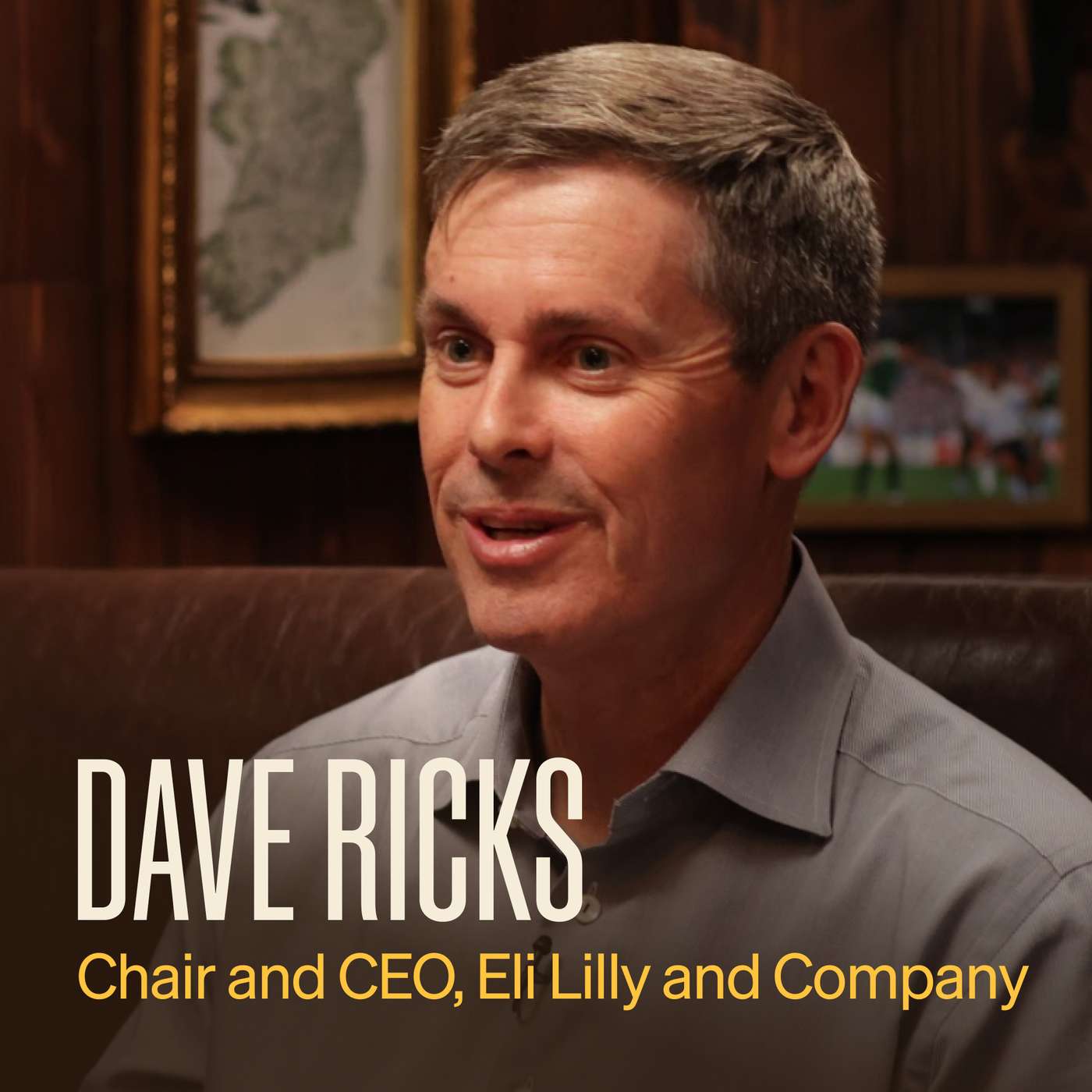
To solve the insulin price bubble, Eli Lilly launched its own low-list-price biosimilar. However, insurers and PBMs initially refused to cover it because its low price and small rebate threatened their lucrative business model.
To commercialize a simple mixture, the company built an IP portfolio around the timing, delivery, and indications for GIK. Crucially, they secured a 'trifecta' of FDA support: Special Protocol Assessment, Breakthrough Designation, and a Biologic License Application, which grants 12 years of market exclusivity, creating a strong competitive barrier without a traditional drug patent.
Developing an antibiotic is costly, but its use is short-term and new drugs are held in reserve, making them unprofitable. This market failure, not a lack of scientific capability, has caused pharmaceutical companies to exit the space, creating a worsening global health crisis.

The GIK solution (glucose, insulin, potassium) was known for decades and worked in animal studies where it was given immediately. It failed in human trials because it was administered six or more hours after a heart attack began. The key innovation was realizing the therapy's success hinges on immediate administration at the first sign of symptoms.