Get your free personalized podcast brief
We scan new podcasts and send you the top 5 insights daily.
After reacquiring a "failed" ALS drug, Neuvivo's team re-analyzed the 200,000 pages of trial data. They discovered a programming error in the original analysis. Correcting this single mistake was a key step in reversing the trial's outcome from failure to success.
Related Insights
To demonstrate a long-term survival benefit without a new trial, Neuvivo hired a research firm to track down patients from the original study. By collecting "last date alive" information in a blinded fashion, they generated statistically significant survival data years after the trial concluded.
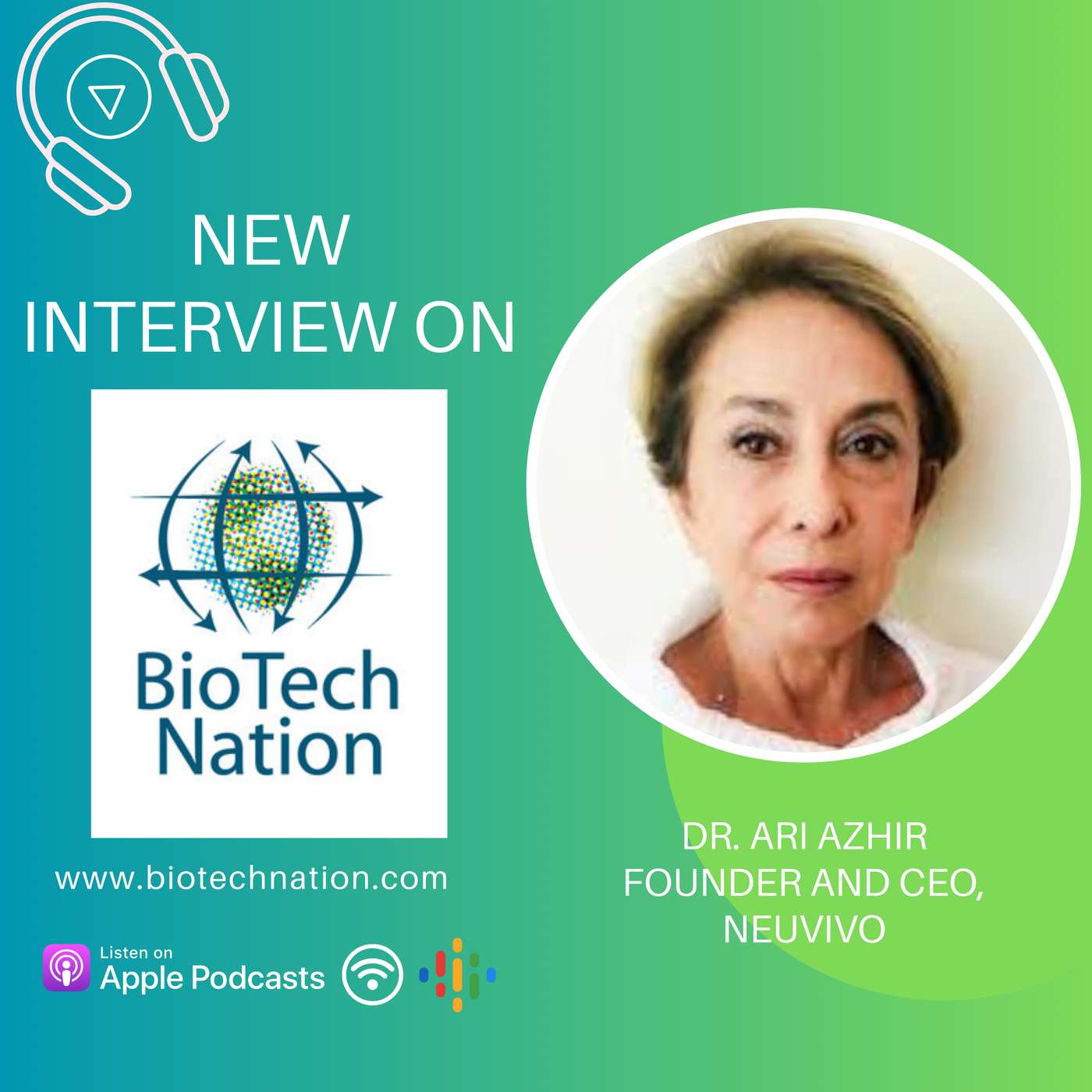
When a promising ALS drug failed Phase 2 trials, the company shut down. The drug's original founder, Dr. Ari Azhir, still believed in the science, repurchased the asset and all its data, and ultimately uncovered its true potential, leading to a new FDA application.
Ipsen's drug Icorvo, which failed in the large NASH market, found unexpected success in the rare liver disease PBC. The smaller market is growing faster than anticipated due to physicians treating patients earlier and a key competitor being withdrawn. This demonstrates how a failed asset can be repurposed for a highly successful niche application.

Praxis Interactive's essential tremor drug succeeded in Phase 3 despite an earlier data monitoring committee (DMC) recommendation to stop for futility. This rare outcome shows that interim analyses on a small fraction of patients can be misleading due to high variance, and continuing a trial against DMC advice can be a winning strategy.

The failure of the TROPiCS-04 trial for sacituzumab govitecan may not indicate the TROP2 ADC class is ineffective. Experts suggest problems with dosing and toxicity management (e.g., neutropenia) during the trial could be the real culprit, arguing that the drug class still holds promise.

To demonstrate its drug could overcome resistance, Actuate designed a trial where patients who had already failed a specific chemotherapy were given the exact same regimen again, but this time with Actuate's drug added. The resulting increased efficacy across eight different cancers provided powerful, direct proof of the drug's mechanism.

Unlike software startups that can "fail fast" and pivot cheaply, a single biotech clinical program costs tens of millions. This high cost of failure means the industry values experienced founders who have learned from past mistakes, a direct contrast to Silicon Valley's youth-centric culture.

To save money, Rhythm's leadership considered canceling a clinical study because the prevailing scientific logic suggested their drug wouldn't work. The study's unexpected, resounding success became the company's pivotal turning point, highlighting the value of pursuing scientifically contrarian ideas.

Re-analysis revealed the drug's efficacy was concentrated in patients 65 and younger, extending survival by 17.1 months. This effect was missed in the original trials because it was diluted by the non-responsive older population, whose declined immune systems could not fully engage with the treatment.
Repro Novo licensed a drug that did not meet its primary endpoint in a prior Phase 2b trial. They identified a positive signal in an exploratory endpoint—improved semen quality—and built their new clinical strategy around making that the primary endpoint, salvaging a potentially valuable asset.