Get your free personalized podcast brief
We scan new podcasts and send you the top 5 insights daily.
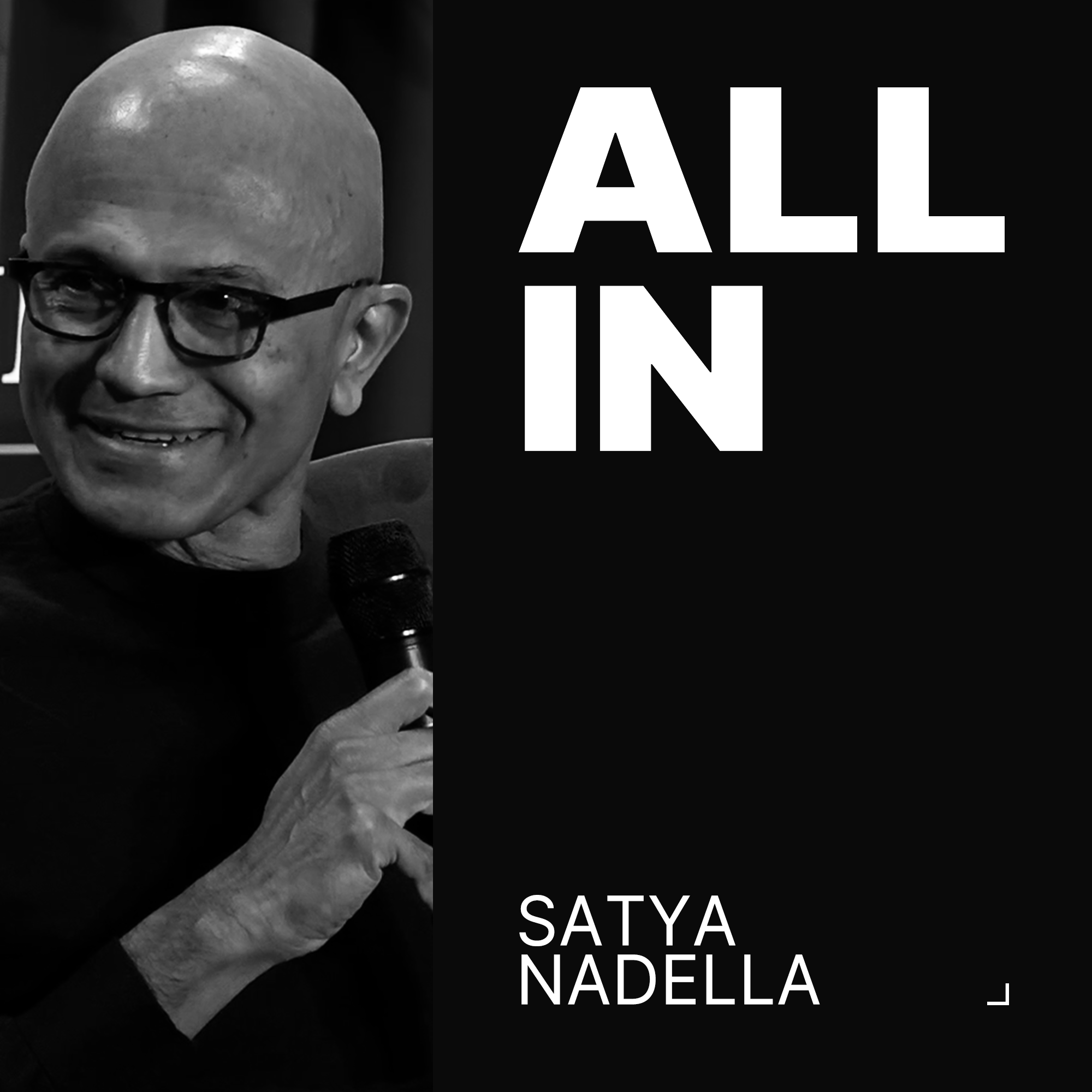
The name change from "Copilot" to "Autopilot" is more than marketing; it signifies a strategic shift in product philosophy. It signals Microsoft's ambition to move from human-in-the-loop assistance to more autonomous, AGI-like systems that can act independently on a user's behalf.

Related Insights
While conversational AI was an initial breakthrough, the more profound user experience shift comes from AI agents that can act autonomously. The ability for an AI to read files, run commands, and manage tasks in the background without constant input marks the transition from a passive tool to a proactive partner.
The fundamental model of AI use is changing. It's moving from 'assisted' AI, which helps humans with their tasks, to 'agentic' AI, where autonomous systems perform tasks. This paradigm shift requires new methods for adoption, management, and measuring success, moving from 'seats' to 'tokens'.

Tools like ChatGPT are AI models you converse with, requiring constant input for each step. Autonomous agents like OpenClaw represent a fundamental shift where users delegate outcomes, not just tasks. The AI works autonomously to manage calendars, send emails, or check-in for flights without step-by-step human guidance.

The evolution of AI assistants is a continuum, much like autonomous driving levels. The critical shift from a 'co-pilot' to a true 'agent' occurs when the human can walk away and trust the system to perform multi-step tasks without direct supervision. The agent transitions from a helpful suggester to an autonomous actor.

Microsoft CEO Satya Nadella views AI's trajectory in two distinct paths. The first is "cognitive enhancement" tools that assist users, like Copilot. The second, more ambitious path is a "guardian angel," an AGI-like system that oversees and manages tasks. This framework signals a deeper belief in AGI's potential than is commonly associated with him.

The paradigm for using AI is fundamentally changing. It's no longer just about chatting with a bot for information. It is now about deploying agentic systems that can operate a computer, take complex actions, and complete hours of human work in a single command, requiring a new user skillset.

To compete with agent tools like OpenClaw, Microsoft CEO Satya Nadella reorganized by combining consumer and enterprise Copilot teams. This unified effort, with executives reporting directly to Nadella, signals a top-level priority to develop more autonomous, 'always-on' AI agents and centralize the company's response.

The real, market-shattering disruption is not companies adding AI features, but the advent of autonomous agents. Jerry Murdock emphasizes that this is a fundamental shift, creating an entirely new class of product and user, which is far more significant than bolting AI onto existing software.

Current Generative AI acts as a passive co-pilot, responding to prompts for single tasks. The emerging 'Agentic AI' is an active autopilot, capable of planning and executing multi-step workflows across different tools, fundamentally changing how complex work is accomplished.

Nadella frames the progression of AI tools for knowledge workers as following the same path as coding assistants: from simple suggestions, to chat interfaces, to executing actions, and finally to fully autonomous agents. This provides a clear roadmap for product development and user adoption in the AI space.