Get your free personalized podcast brief
We scan new podcasts and send you the top 5 insights daily.
Contrary to the 'SaaSpocalypse' narrative, Jensen Huang believes AI agents will use existing SaaS tools rather than replace them. This will increase demand for best-in-class software like databases, as it's more efficient for an agent to leverage an existing tool than to build one from scratch.

Related Insights
Countering the narrative that AI will kill software, NVIDIA CEO Jensen Huang argues agents will be tool users, not tool builders. Just as a robot would pick up a screwdriver instead of reinventing one, AI agents will leverage existing platforms. This positions AI as an accelerator for current software, not an immediate replacement.

Contrary to fears of AI making SaaS obsolete, the reality is that most enterprise software is deeply flawed. A contrarian view is that AI will provide the tools to finally rebuild these systems better, creating a massive new wave of demand for software development and product design.

Turing's CEO claims SaaS is dead for two reasons. First, powerful foundation models drastically lower the cost of building custom software internally. Second, existing SaaS products are built for human interaction via GUIs, not for AI agents that will increasingly use APIs and tool-calling functions directly.

As users increasingly rely on AI agents, traditional graphical user interfaces will become obsolete. SaaS products must evolve to offer conversational interfaces that other agents can interact with directly. The primary user will shift from a human clicking buttons to another AI sending messages.
With AI agents in platforms like ChatGPT becoming the primary work surface, the traditional SaaS moat of owning the user interface is eroding. The most defensible position will be owning the core data as the "system of record," making the SaaS platform an essential backend database.

The 'SaaS-pocalypse' narrative is flawed because IT/SaaS is only 8-12% of enterprise spend. Companies will use powerful AI models to create value in the other 90% of their business—like operations and sales—rather than just rebuilding core software like ERPs or CRMs where the financial upside is limited.
SaaS value lies in its encoded business processes, not its underlying code. AI's primary impact will be forcing SaaS companies to adopt natural language and conversational interfaces to meet new user expectations. The backend complexity remains essential and is not the point of disruption.

Instead of interacting with SaaS GUIs (like Greenhouse for hiring), users will interact with AI agents. These agents will directly manipulate the underlying system-of-record data, managing entire workflows from a simple conversation and making the traditional SaaS application redundant.
SaaS products like Salesforce won't be easily ripped out. The real danger is that new AI agents will operate across all SaaS tools, becoming the primary user interface and capturing the next wave of value. This relegates existing SaaS platforms to a lower, less valuable infrastructure layer.
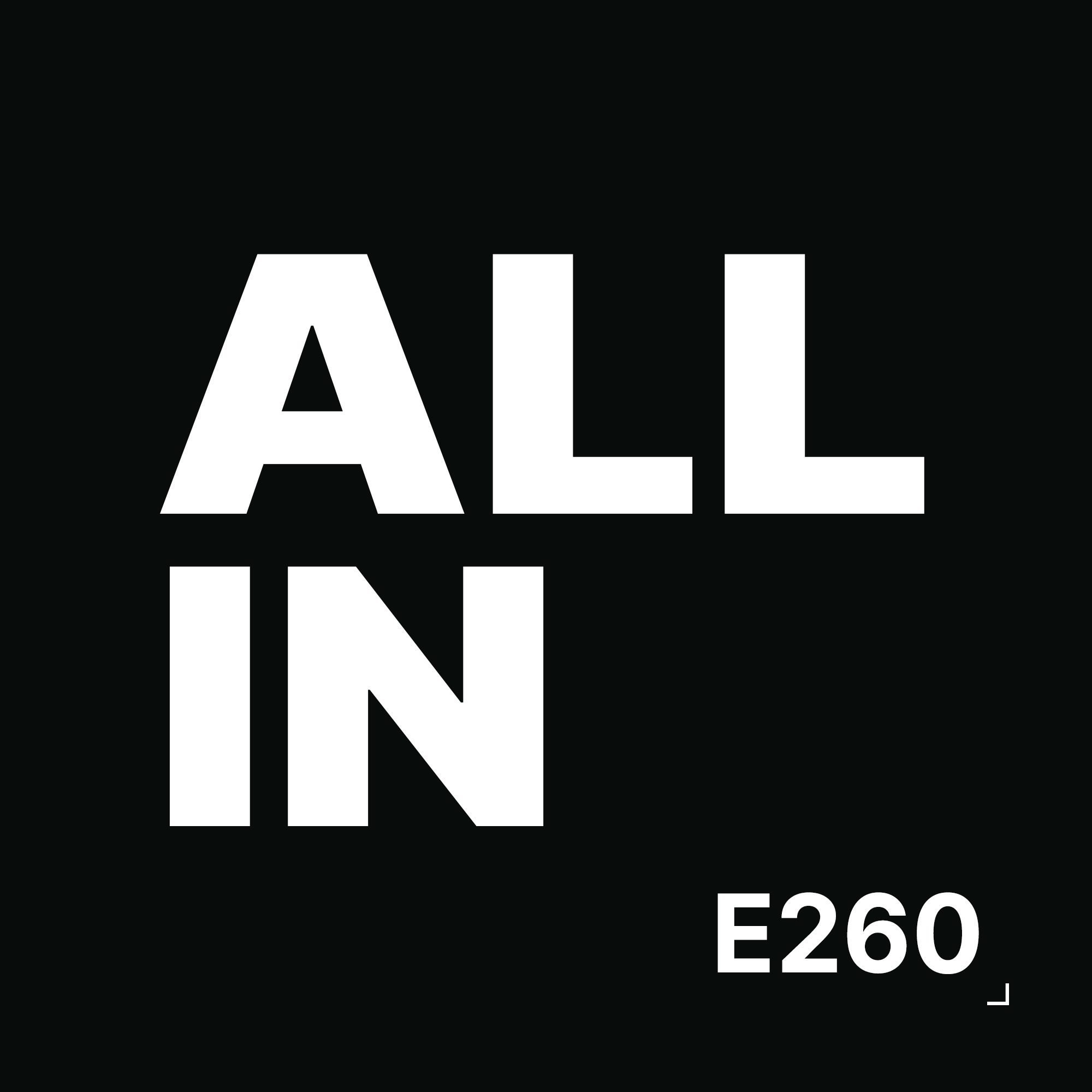
Jensen Huang defended SaaS by arguing an AGI would use existing software (like a screwdriver) rather than reinvent it. The key flaw in this analogy is cost: unlike a physical tool, an AI agent can replicate expensive software for a fraction of the price, making reinvention the logical choice.