Get your free personalized podcast brief
We scan new podcasts and send you the top 5 insights daily.
The belief that Sequoia waits for top deals to call them is "completely false." Every investor at the firm, regardless of seniority, is expected to be a "hunter" who actively sources and competes for investments. The culture is akin to a professional sports team where individual performance is demanded to win as a group.

Related Insights
Gilly Shwed recalls that the day after Google's IPO, a monumental success for Sequoia Capital, the firm's all-hands meeting was titled "How can we do better?" This embodies a culture of relentless self-improvement that never rests on past achievements.

To combat complacency, Sequoia's office has a wall where every investor has personally written, "We are only as good as our next investment." This daily, physical reminder reinforces the firm's cultural paranoia and focus, ensuring they never rest on past successes.

Contrary to the popular image of founders pitching VCs, Rohan Oza's firm, Kavu, operates on the principle that the best deals must be actively sought out. They employ a dedicated team for 'the hunt,' proactively sourcing promising brands and founders instead of relying on passive inbound deal flow.

To avoid stifling talent, Sequoia uses 'freedom within frameworks.' It provides guiding principles—shared values and a common value chain (sourcing, picking, winning)—but allows partners total autonomy in their methods. This enables diverse, authentic styles, from deep thematic work to high-volume networking, to coexist effectively.

To ensure the "triumph of ideas, not the triumph of seniority," Sequoia uses anonymized inputs for strategic planning and initial investment votes. This forces the team to debate the merits of an idea without being influenced by who proposed it, leveling the playing field.
The firm distinguishes between speed (magnitude) and velocity (magnitude plus direction). Founders are encouraged to focus on velocity, ensuring the entire team is moving quickly *in the right direction*. This prevents wasted effort where mere motion is mistaken for progress, a common trap in turbulent markets.
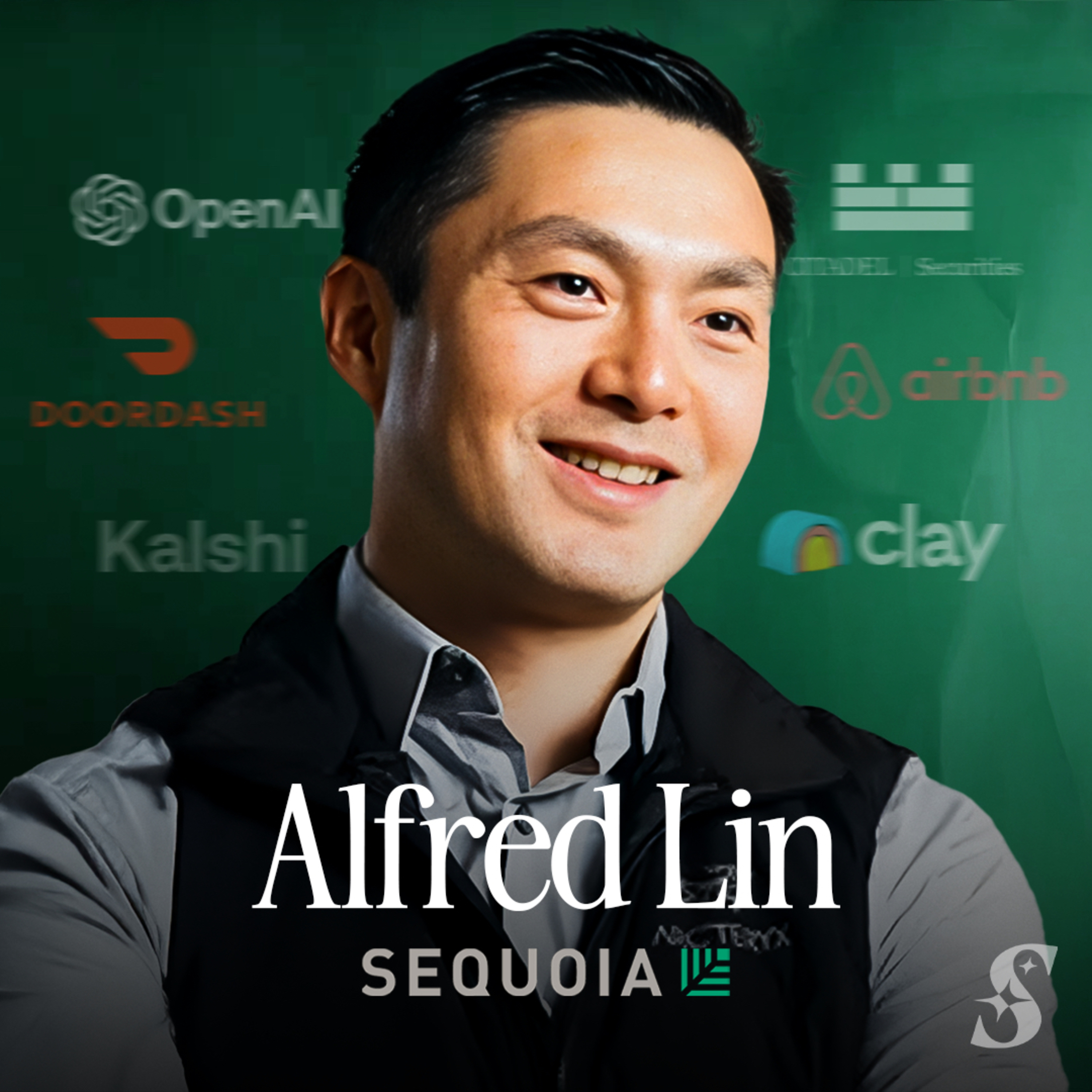
Sequoia's reputation for being brutally direct with founders is evolving into a high-status brand attribute. Ambitious founders are starting to prefer this 'stab you in the front' approach over unconditional support, viewing it as a necessary form of pressure to drive exceptional performance in a gladiatorial arena.

Sequoia makes consensus investment decisions, viewing each deal as "our investment." This is only possible through a culture of high trust and "front stabbing"—brutally honest, direct debate about a deal's merits. This prevents passive aggression and ensures collective ownership.
Sequoia's internal data shows consensus is irrelevant to investment success. A deal with strong advocates (voting '9') and strong detractors (voting '1') is preferable to one where everyone is mildly positive (a '6'). The presence of passionate conviction, even amid dissent, is the critical signal for pursuing outlier returns.
Most VCs "gather" by networking broadly. QED advocates for "hunting": identifying a single, high-conviction company and relentlessly pursuing an investment. This shifts the mindset from passively waiting for inbound leads to proactively targeting the absolute best opportunities long before a formal fundraise begins.
