Get your free personalized podcast brief
We scan new podcasts and send you the top 5 insights daily.
Warsh believes the Fed relies too heavily on forward guidance, particularly the 'dot plot,' which he feels boxes in members. He will likely downgrade or eliminate it and encourage Fed presidents to speak less publicly, aiming for more agile and less predetermined monetary policy decisions.

Related Insights
Warsh advocates for a nuanced Fed policy: simultaneously cutting interest rates while passively shrinking the balance sheet by letting bonds mature. This "passive quantitative tightening" aims to reduce the Fed's market footprint without the shock of active selling, representing a middle ground between aggressive easing and hawkish tightening.

If incoming Fed Chair Kevin Warsh reduces public communication, it could increase market uncertainty about future policy. This lack of clear forward guidance may lead investors to demand a higher risk premium for holding long-term bonds, causing the U.S. Treasury yield curve to steepen, all else being equal.

Kevin Warsh argues the Fed has experienced "scope creep" by taking on quantitative easing, broad bank regulation, and social initiatives. He advocates for a return to a narrow mandate focused on price stability, using interest rates as the primary tool and exiting non-conventional mechanisms.

Kevin Warsh's criticism of the Fed's reliance on data is viewed as dangerous. Data provides a common, objective language for policy debate and builds legitimacy. Abandoning it in favor of subjective judgment or "vibes" could erode the Fed's credibility and open the door to politically motivated, rather than evidence-based, decisions.

While presidents focus on interest rates, a Fed Chair like Kevin Warsh has limited sway as one of 12 votes. His real impact will be on technical areas like the Fed's balance sheet, where he has stronger personal convictions and faces less political scrutiny.
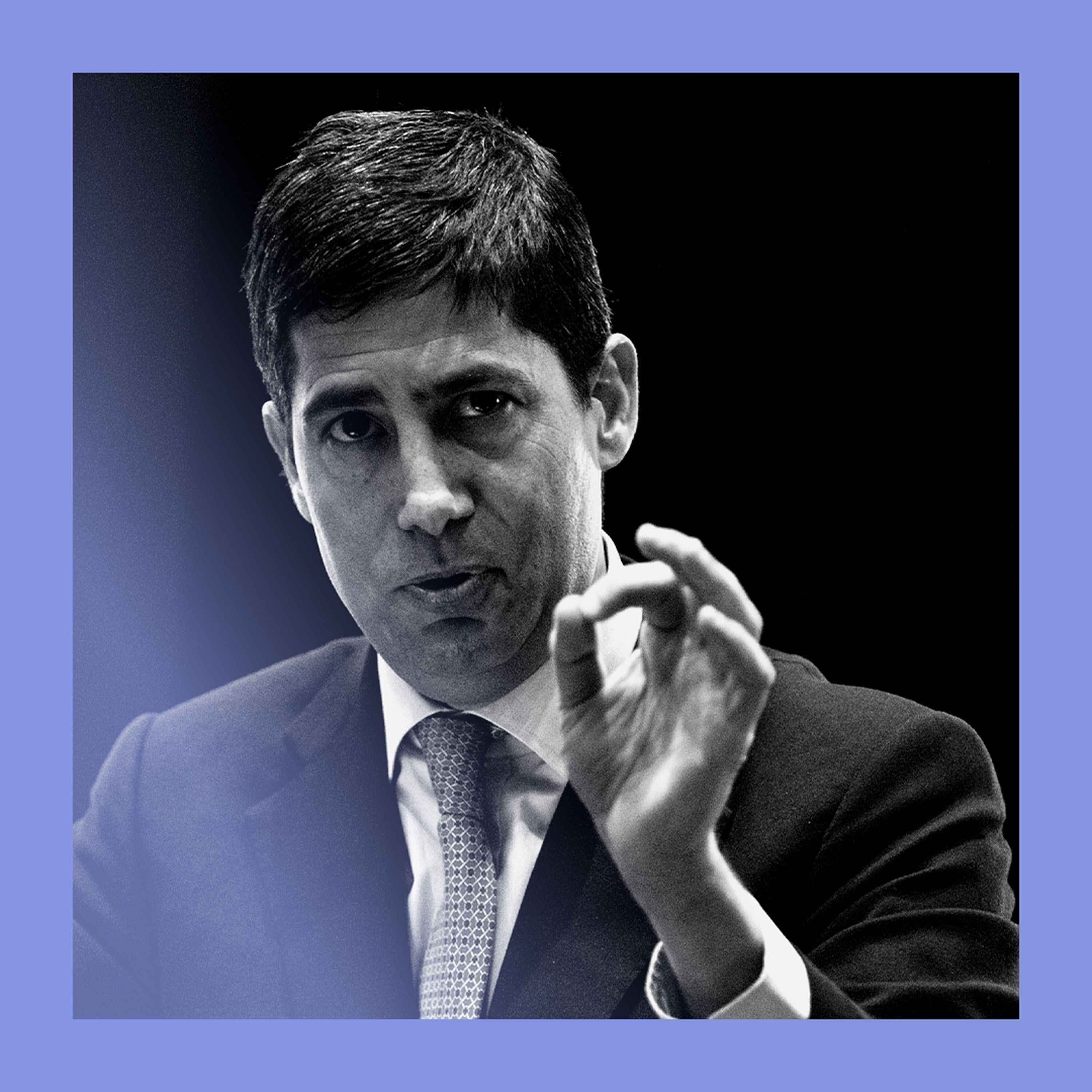
Kevin Warsh's confirmation hearings suggest a potential regime change at the Fed. He has indicated possible shifts in how inflation is measured (using trimmed mean), the size of the balance sheet, and a reduction in market communication like forward guidance.
Kevin Warsh expresses skepticism about the Fed's reliance on real-time data, forecasts, and complex economic models, which he argues are often wrong and create a false sense of precision. This suggests a preference for a more principles-based monetary policy framework over a reactive, data-driven one.
Constant forward guidance and dot plots lock the Fed into predetermined paths. This prevented a timely end to QE in 2021 despite rising inflation, as they were constrained by their own communication protocols. Less communication would allow for more agility.

Analysts question the value of the Fed's dot plots, which show individual governors' rate forecasts. The plots can cause market volatility and confusion, especially when the final rate decisions are unanimous, suggesting the forecasts overstate internal dissent and create unnecessary noise.
Despite a change in leadership, the Federal Reserve's interest rate policy is unlikely to shift materially in the near term. The new chair, Kevin Warsh, must build consensus among 16 other committee members whose views are established. The Fed's reaction function is driven by collective data analysis, not the sole will of the chair.