Get your free personalized podcast brief
We scan new podcasts and send you the top 5 insights daily.
To become a defining personal brand rather than just another creator, launching your own product is a key step. It provides more financial upside than affiliate sales and builds immense credibility and clout within your community.

Related Insights
View your personal brand or "likeness" not just as a marketing tool, but as a strategic asset that generates deal flow. This asset grants access to rooms and relationships that can be converted into partnerships, ownership stakes, and long-term revenue streams, fundamentally shifting you from talent-for-hire to an equity holder.

Unlike typical CPG startups that spend heavily on digital ads, a creator with a large, engaged audience like Alison Roman can sell out a product launch without a significant marketing budget. This built-in distribution is a massive competitive advantage.

Many content creators possess the charisma for sales but struggle to build a traditional media brand. Gary Vaynerchuk posits that becoming a live shopping host or affiliate is a more direct, and often more lucrative, path to financial success and happiness for these individuals than vlogging.
Many creators assume sponsorships are the ideal business model, but they are inefficient and hard to manage. A better model focuses on direct audience monetization—selling your own products or services—which offers higher margins and greater control.
A powerful first move for a new brand is leveraging community-driven affiliate platforms. By getting the product into the hands of engaged creators in relevant communities, a brand can build authentic word-of-mouth and generate multi-million dollar revenue before ever investing in traditional CRM or paid media channels.

The foundation of a strong personal brand is not self-promotion but demonstrated value. The process is twofold: first, achieve something notable or put in extraordinary effort to gain unique insights. Second, share what you've done and learned. This provides genuine value to others, which is the core of brand building.

Partnering with an influencer provides a massive initial launch advantage and a built-in audience. However, long-term success, like Glossier's, requires building a brand identity and marketing engine that can stand on its own. The influencer is the launchpad, not the entire rocket.

The ultimate goal for Give Hugs was for the brand to be bigger than its founder, Lexi Hensler. They achieved this by creating a separate identity and community for the product, to the point where many customers know the brand but not the founder behind it, ensuring its longevity.

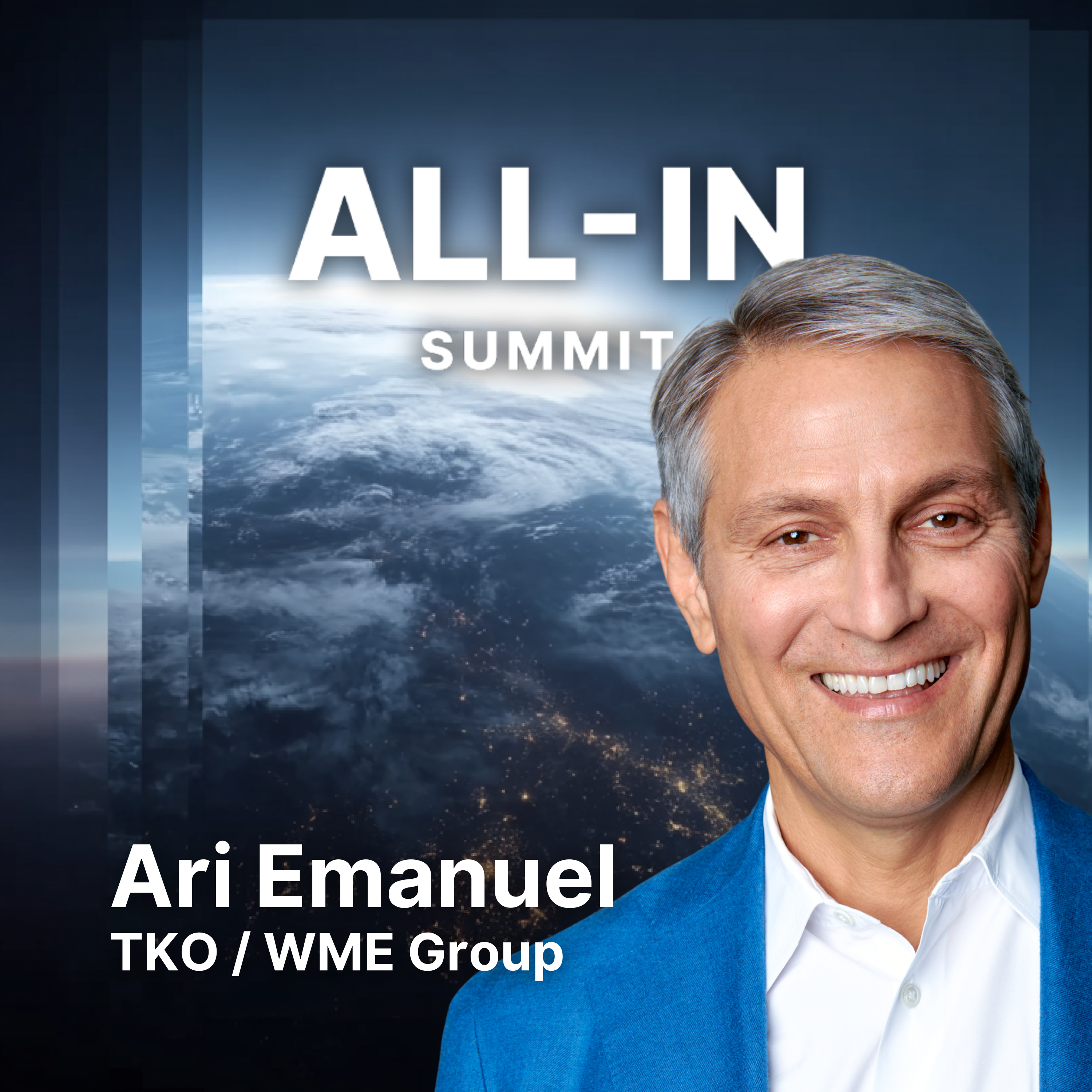
Ari Emanuel outlines a clear monetization evolution for independent creators. They begin with simple ad placements, graduate to larger integrated sponsor deals, and ultimately achieve the highest value by owning equity in their own product lines. This final step shifts them from being a marketing expense to an asset with a revenue multiple.
To build a lasting brand, creators must define their value independently of any single platform. The core mission and value delivered to the audience should be clear enough to be translated from YouTube to TikTok to the next immersive medium, ensuring longevity beyond temporary trends.