Get your free personalized podcast brief
We scan new podcasts and send you the top 5 insights daily.
While perceived as a consumer device, the Mac Mini has seen an explosion in enterprise demand from the most advanced AI labs. Companies like OpenAI are purchasing tens of thousands of units for crucial R&D tasks like reinforcement learning and training computer-use agents, creating an unexpected, high-volume enterprise market for Apple.

Related Insights
The sellout of Mac minis driven by the OpenClaw agent framework validated a lucrative market for local AI development. Apple's new Mac mini refresh, explicitly marketed for local AI inference, confirms a hardware-first strategy. Apple is positioning itself not as a frontier model builder, but as the premier hardware provider for the growing ecosystem of developers running smaller, specialized models locally.
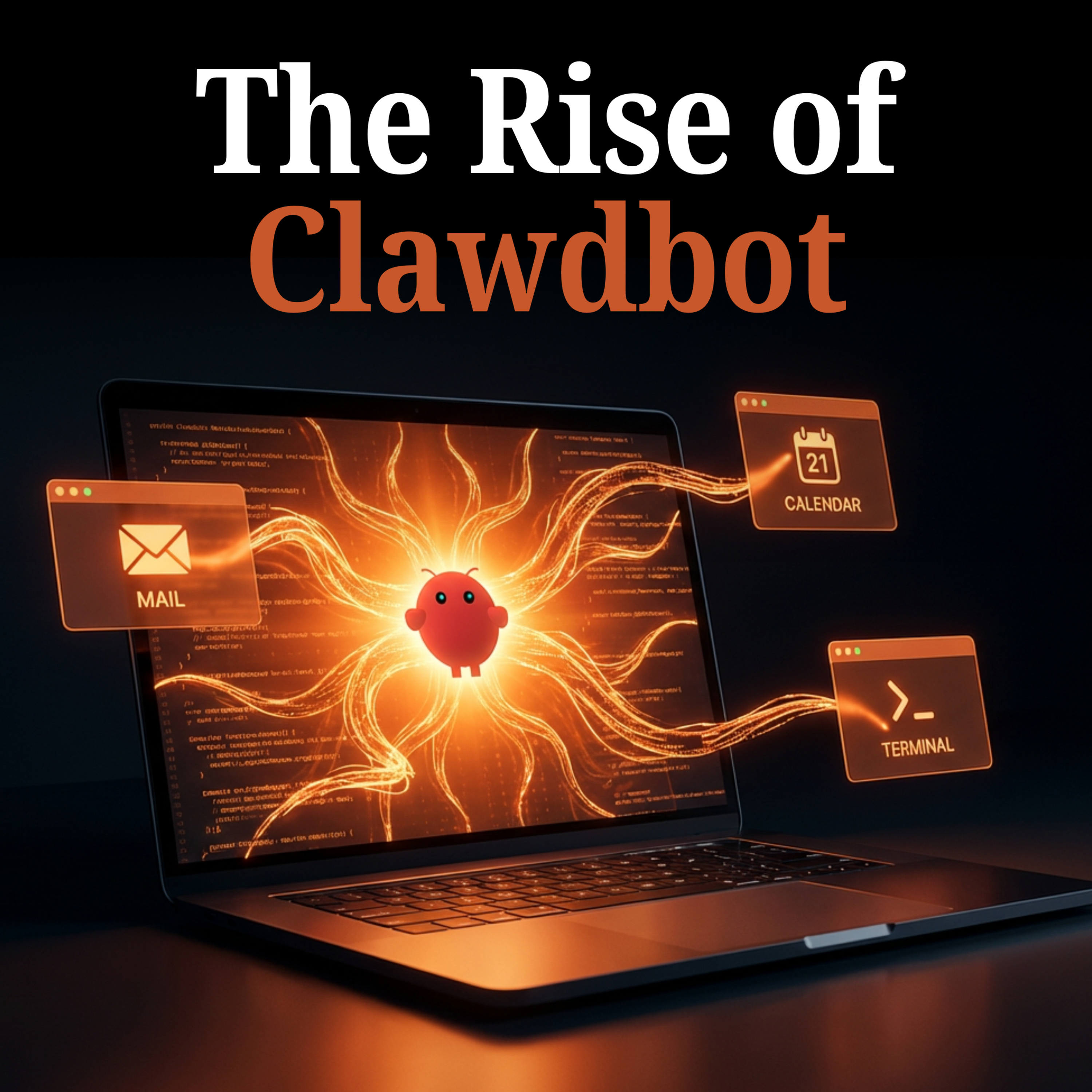
Steve Jobs's long-term strategy to move Apple to its own silicon, initiated in 2008, has coincidentally positioned Macs (especially the Mac Mini) as the perfect sandboxed, powerful, and private hardware for running local AI agents like OpenClaw.

While competitors spend billions on centralized data centers, Apple's powerful, memory-rich Mac hardware has become the go-to for developers running local AI models. This positions Apple as a key, decentralized infrastructure provider by accident, a powerful market position they have yet to officially capitalize on.

Macs with Apple Silicon have become highly sought after for local AI development because their CPU and GPU share a single memory pool. This unified architecture allows them to efficiently run larger models than typical laptops, which are constrained by limited dedicated VRAM.
The unified memory architecture in Apple's Mac Minis and Studios makes them ideal for running large AI models locally. This presents a massive, multi-trillion-dollar opportunity for Apple to dominate the decentralized, 'garage-scale' AI hardware market. However, the panel believes Apple's rigid corporate culture may prevent it from seizing this emergent movement.

The surge in Mac mini purchases for running AI assistants isn't random. It's the ideal 'home server' because it's affordable, can run 24/7 reliably via ethernet, and critically, its macOS provides native iMessage integration—a key channel for interacting with the AI from a mobile device.
While competitors spend billions on data centers, Apple is focusing on a capital-light AI strategy. It leverages its hardware ecosystem (Mac Minis, wearables) as the primary interface for AI and licenses models from partners like Google, avoiding the immense costs and long-term ROI challenges of building proprietary large-scale training clusters.
Instead of competing in the cloud, Apple's advantage is in hardware. By equipping computers with massive RAM, they can run powerful local AI models. This preserves user privacy by keeping data on-device and sidesteps trust issues with cloud-based AI providers like OpenAI and Google.

Contrary to the belief that custom PC builds with NVIDIA GPUs are required, the most cost-effective hardware for high-performance local AI inference is currently Apple Silicon. Two Mac Studios offer the best memory unit economics for running large models locally.
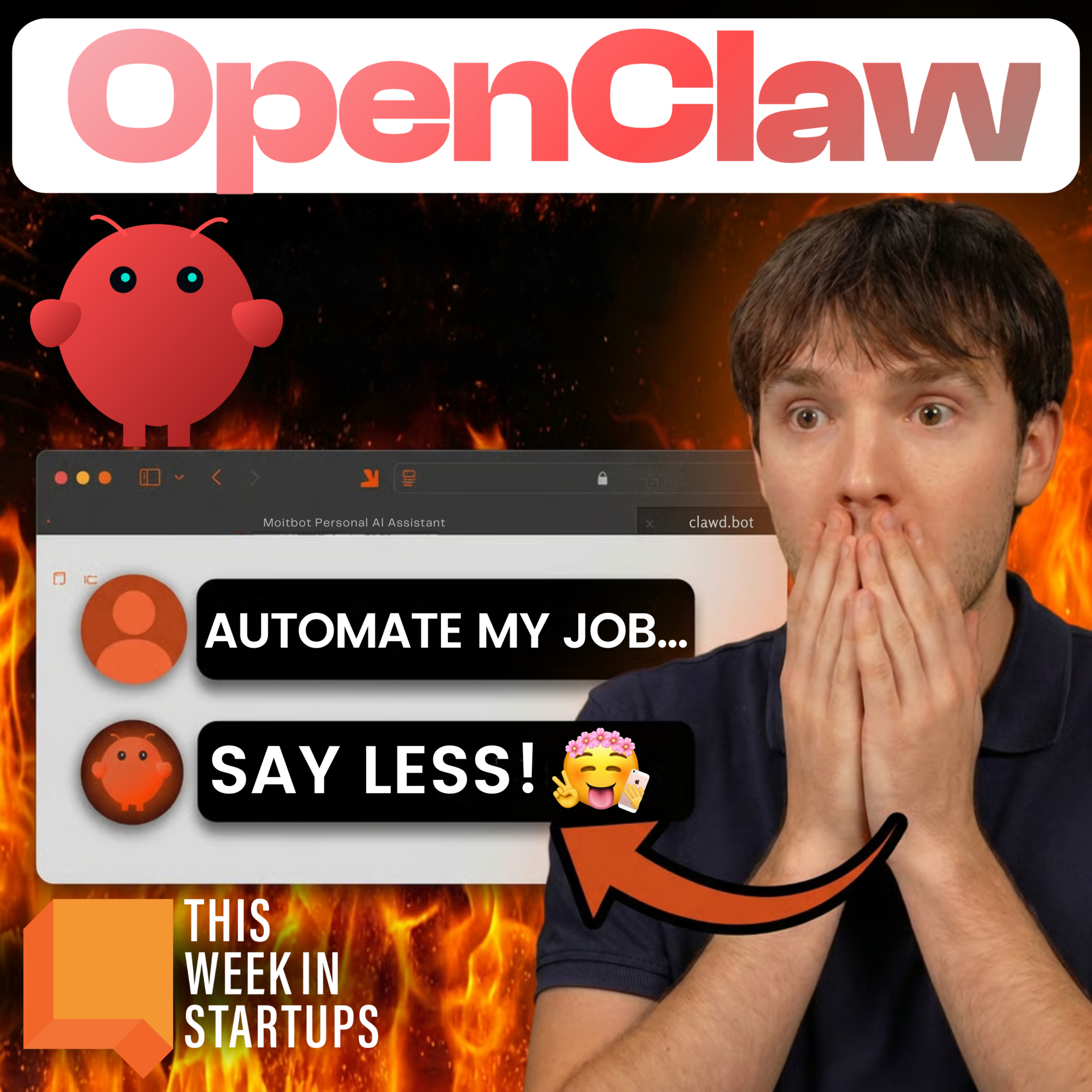
The trend of running AI agents on dedicated Mac Minis isn't just for performance. It reflects a user desire for a tangible, always-on 'AI buddy' or appliance, similar to an R2-D2, that manages their digital life.