Get your free personalized podcast brief
We scan new podcasts and send you the top 5 insights daily.
LAP Coffee keeps prices low with stark interiors and quick service, discouraging customers from lingering. It builds its "Life Among People" brand by hosting community events like yoga and art shows outside the core transaction. This unbundling of product and community experience attracts a younger demographic focused on speed and affordability.
Related Insights
Aldi transformed its low-price, no-name-brand image into a cultural phenomenon. By leaning into the 'fun of frugality' and creating experiences like the 'Aldi Aisle of Shame,' they built a powerful fandom and brand identity around the very absence of traditional brands, turning a weakness into a core strength.
Square strategically shifted its core customer definition from the generic 'small business' to the more specific 'local business.' This subtle change allows the brand to anchor its identity in the community fabric its customers create, moving beyond simple company size to a shared ethos.
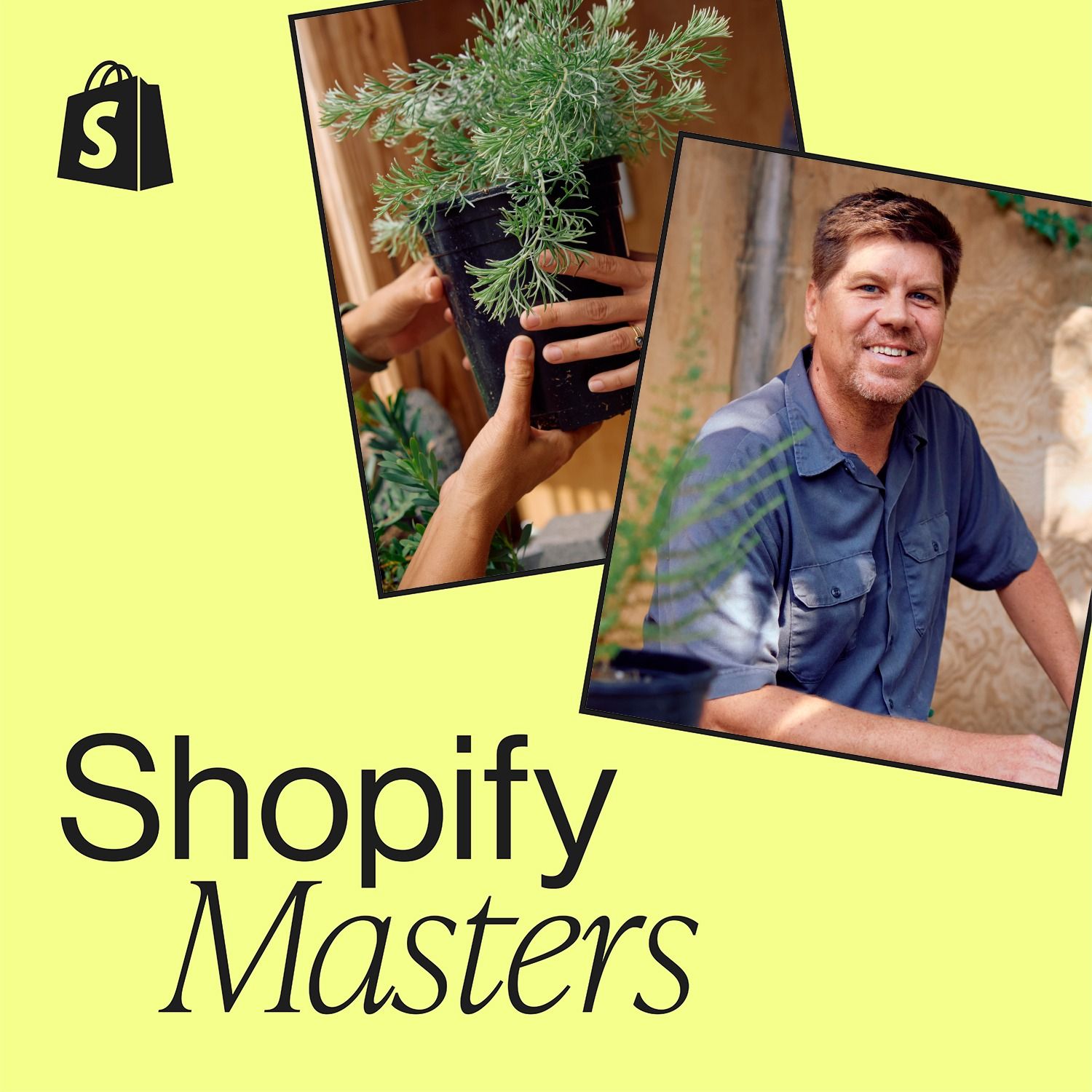
To build authentic community, Plant Material hosts events like concerts and poetry readings where selling is not the focus. This creates a low-pressure environment where people can enjoy the space, fostering a long-term connection and encouraging them to return when they are ready to shop.
The founders opened a coffee shop next to their store not primarily for profit, but to increase customer dwell time. The goal is to keep people in their 'community hub' longer, encouraging them to browse and spend more in the main store. The cafe functions as a strategic retention tool, fostering a synergistic loop.
Counterintuitively, Trader Joe's rejects the retail gospel of efficiency. Small stores and stocking during open hours create a bustling, high-interaction environment. This fosters a sense of community and social connection, which is a key part of the value proposition for its core demographic of young professionals and retirees.
Transform your customer base into a community by hosting exclusive meetups. This strategy builds a "culture machine" where customers feel like family, fostering loyalty and generating organic referrals without a hard sales pitch.

A great retail experience goes beyond transactions. Successful brands like Lululemon create "retail theater" by hosting local events like yoga classes in their stores. This builds community and brand loyalty, generating higher long-term ROI than focusing purely on daily sales per square foot.

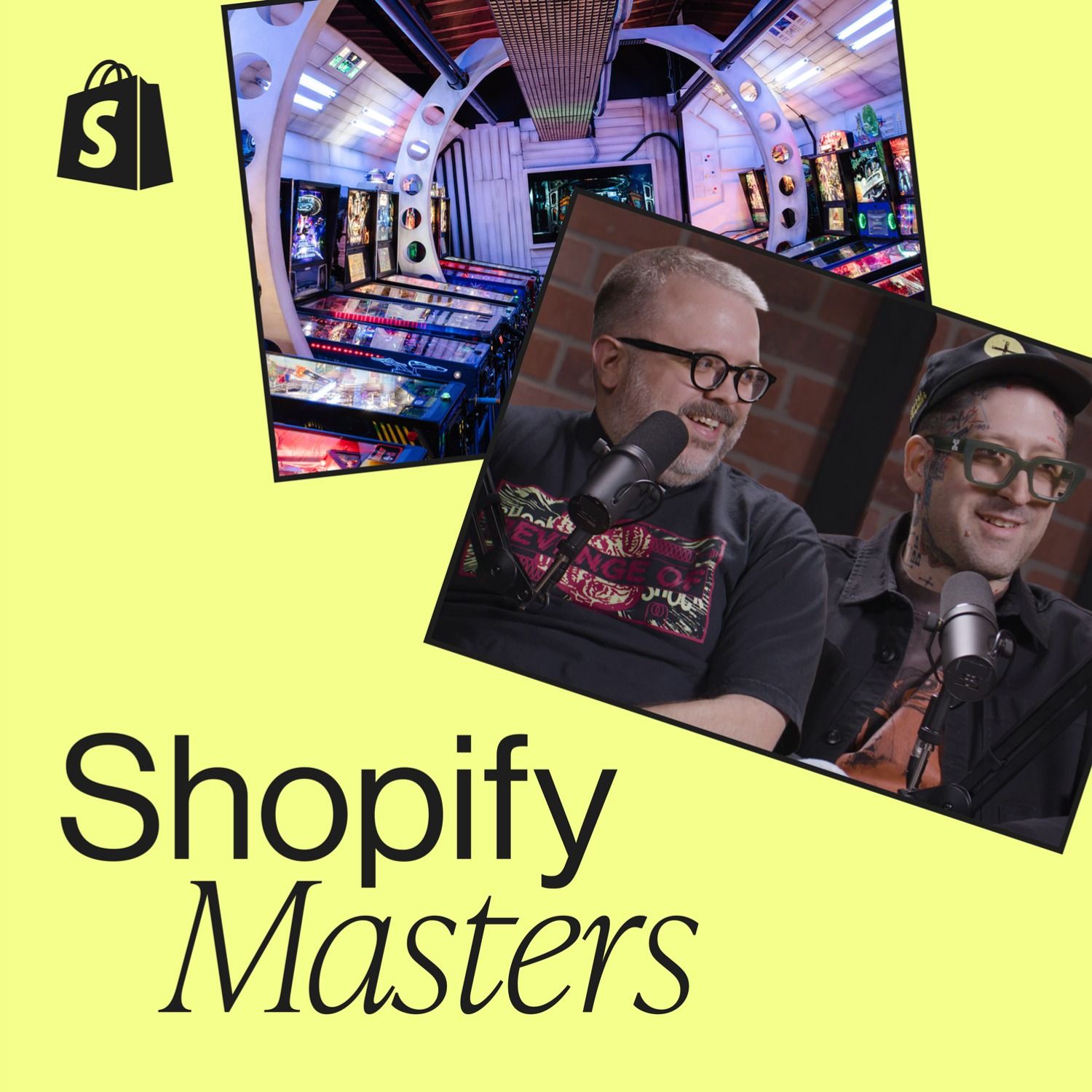
Revenge Of, a comic book and pinball store, forgoes Black Friday sales. Instead, they offer free pinball all day. This counterintuitive 'anti-establishment' event attracts huge crowds, builds community loyalty, and results in higher-than-average sales, proving a unique experience can be more powerful than discounts.

Dermalogica's founder noticed qualified students retaking classes not just for education, but for community. This insight applies broadly: the strongest pull for a service business is often the connection and sisterhood with like-minded peers. The service (e.g., a fitness class) can be the excuse for the real product: community.

While delivery drives profitable growth for Starbucks, it undermines the CEO's core mission to restore stores as a communal "third place" where customers dwell. The number of long visits fell 20%, creating a strategic dilemma: chase high-margin delivery or invest in the brand's physical soul.
