Get your free personalized podcast brief
We scan new podcasts and send you the top 5 insights daily.
Skeptics argue the fear-based narrative around Mythos is a sophisticated marketing strategy. It serves as a justification for not releasing a costly, compute-intensive model to the public while building hype, projecting a lead over competitors, and focusing on high-margin enterprise clients who will pay a premium.

Related Insights
Investor Dave Morin and host Jason Calacanis analyze Anthropic’s public refusal to meet certain Department of Defense terms as a calculated marketing move. They argue the "doomer narrative" plays well with consumers, effectively boosting app store rankings and brand perception, even if it sacrifices a government contract.

Anthropic's strategy of releasing its Mythos security model to CISOs first is a masterclass in selling fear. By framing their powerful new AI as a "terrifying weapon," they create demand for the very same product as the defense, effectively manufacturing a market for their solution.

Anthropic chose not to release its first model, Claude 1, before ChatGPT despite seeing its power. They worried it would trigger a dangerous "arms race" and decided the commercial cost of waiting was worth the potential safety benefit for the world.

By being ambiguous about whether its model, Claude, is conscious, Anthropic cultivates an aura of deep ethical consideration. This 'safety' reputation is a core business strategy, attracting enterprise clients and government contracts by appearing less risky than competitors.
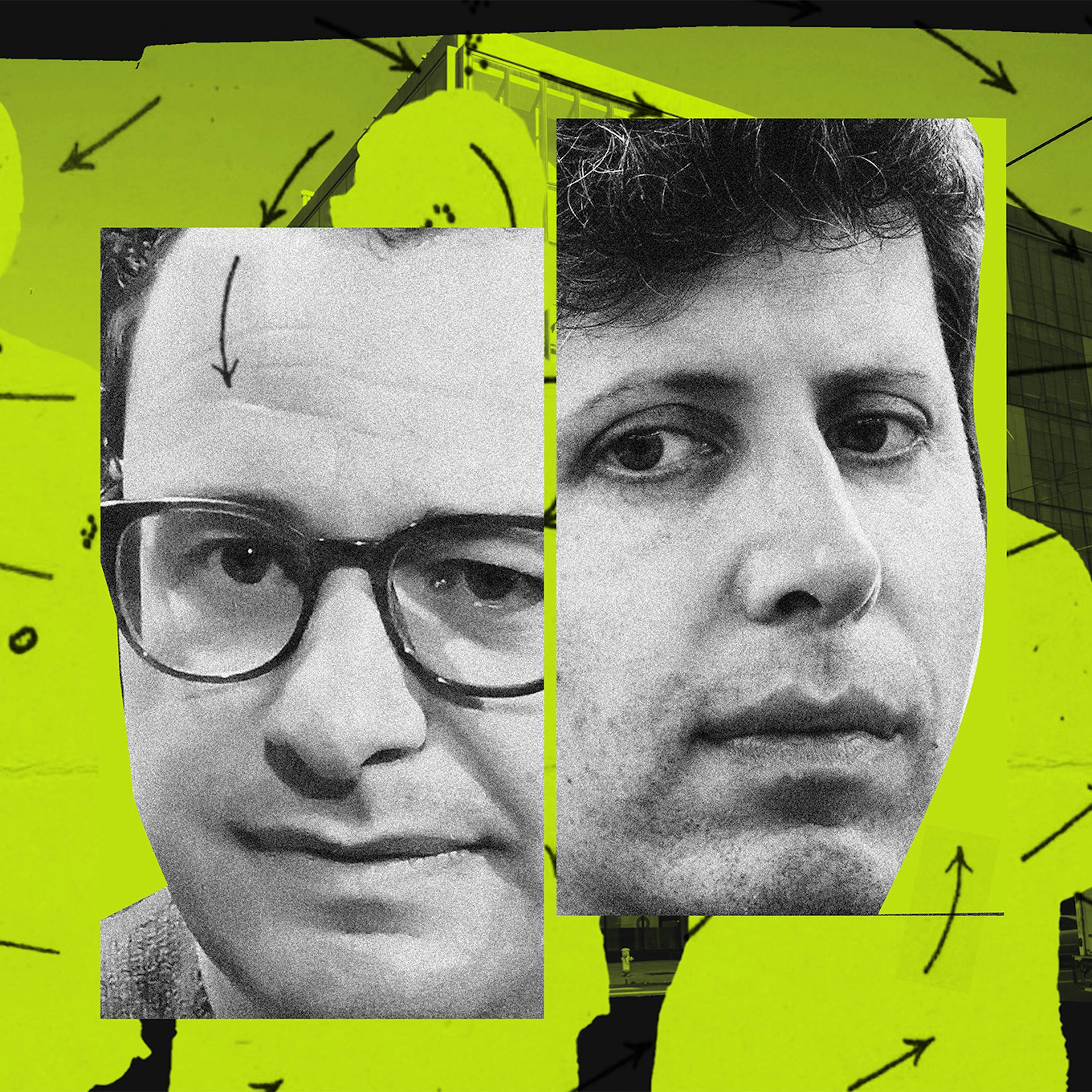
From OpenAI's GPT-2 in 2019 to Anthropic's Mythos today, AI labs have a history of claiming new models are too dangerous for public release. This repeated pattern, followed by moderate real-world impact, creates public skepticism and risks undermining trust when a truly dangerous model emerges.

A leaked blog post for Anthropic's "Claude Mythos" model reveals its initial release is for customers to explore cybersecurity applications and risks. This indicates a deliberate, high-value enterprise focus for their frontier model, moving beyond general capabilities to solve specific, complex business problems from the outset.
Anthropic's ads lack a call-to-action, indicating their primary goal isn't consumer downloads. Instead, they use fear-mongering to "muddy the water" around OpenAI's upcoming ad product, aiming to make enterprise decision-makers and regulators wary of ad-supported AI models before they launch.
Anthropic's campaign risks poisoning the well for all consumer AI assistants by stoking fear about ad integration. This high-risk strategy accepts potential damage to its own brand and the category in order to inflict greater harm on the market leader, OpenAI.
Anthropic is giving its new Mythos AI model to tech giants like Amazon and Microsoft specifically for cybersecurity. This B2B go-to-market strategy solves a critical, high-trust problem first. By proving its value in securing vital infrastructure, Anthropic can build deep enterprise relationships and drive broader adoption later.
Anthropic limited its powerful Mythos model, which finds zero-day exploits, to critical infrastructure partners. While framed as a safety measure, this go-to-market strategy also creates hype, justifies premium pricing, and prevents distillation by competitors, solidifying its brand as a responsible AI leader.