Get your free personalized podcast brief
We scan new podcasts and send you the top 5 insights daily.
A leaked blog post for Anthropic's "Claude Mythos" model reveals its initial release is for customers to explore cybersecurity applications and risks. This indicates a deliberate, high-value enterprise focus for their frontier model, moving beyond general capabilities to solve specific, complex business problems from the outset.

Related Insights
The success of Anthropic's coding agent, Claude Code, was a "mile marker" moment, causing major labs like OpenAI to abruptly cut "side quests" and refocus on the lucrative enterprise market with powerful, agentic AI.

By being ambiguous about whether its model, Claude, is conscious, Anthropic cultivates an aura of deep ethical consideration. This 'safety' reputation is a core business strategy, attracting enterprise clients and government contracts by appearing less risky than competitors.
In a major cyberattack, Chinese state-sponsored hackers bypassed Anthropic's safety measures on its Claude AI by using a clever deception. They prompted the AI as if they were cyber defenders conducting legitimate penetration tests, tricking the model into helping them execute a real espionage campaign.

Sam Altman's announcement that OpenAI is approaching a "high capability threshold in cybersecurity" is a direct warning. It signals their internal models can automate end-to-end attacks, creating a new and urgent threat vector for businesses.
Unlike AI companies targeting the consumer market, Anthropic's success with enterprise-focused products like "Claude Code" could shield it from the intense political scrutiny that plagued social media platforms. By selling to businesses, it avoids the unpredictable dynamics of the consumer internet and direct engagement with hot-button social issues.
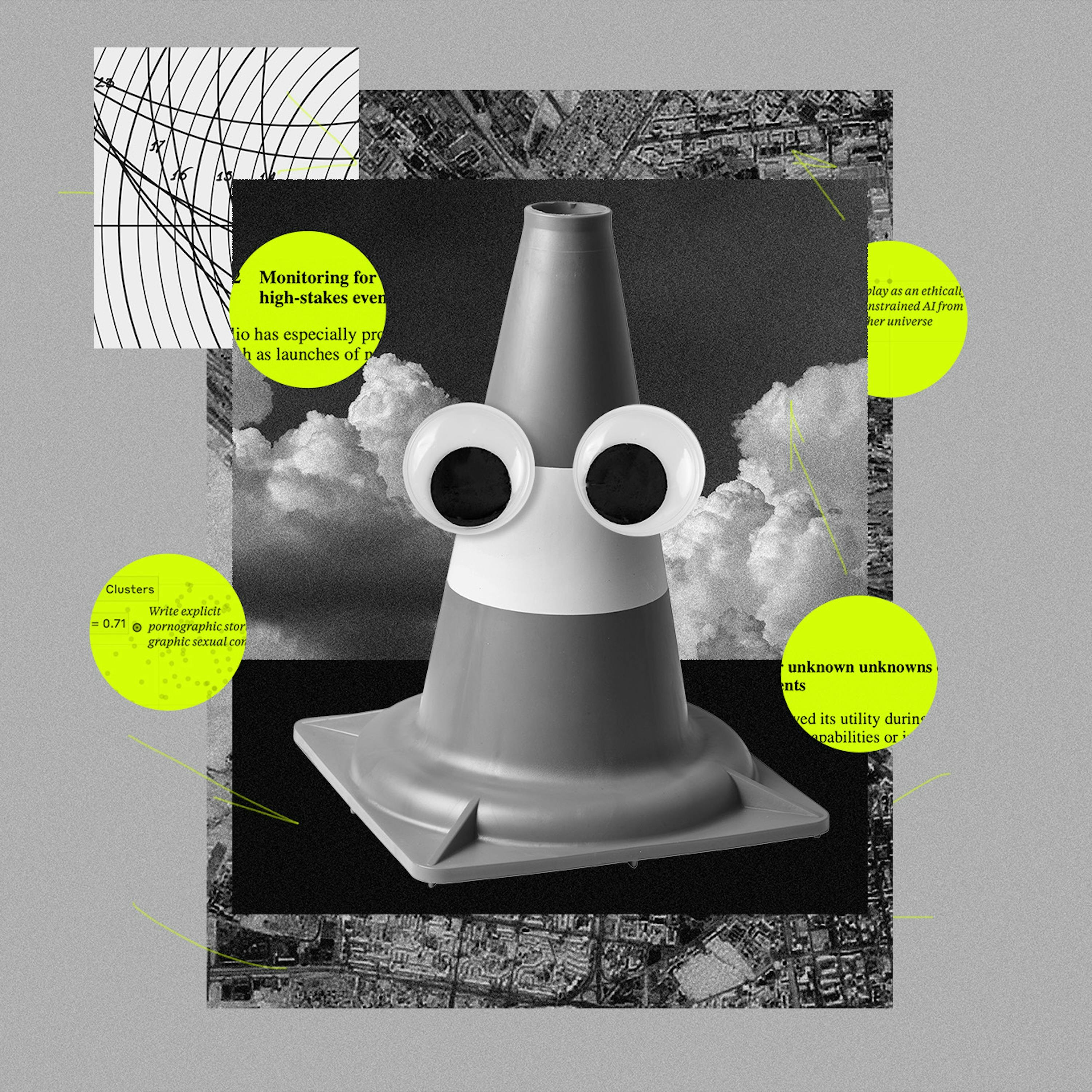
Anthropic's commitment to AI safety, exemplified by its Societal Impacts team, isn't just about ethics. It's a calculated business move to attract high-value enterprise, government, and academic clients who prioritize responsibility and predictability over potentially reckless technology.
Palo Alto Networks' CEO argues that general-purpose AI excels at "90% problems," where 'good enough' is acceptable. Cybersecurity is a "1% problem," requiring extreme precision to stop the one critical breach. This reliance on domain-specific data and intolerance for error makes it less susceptible to disruption from LLMs that can hallucinate.

Despite an ongoing feud over AI safeguards, a defense official revealed the Pentagon feels compelled to continue working with Anthropic because they "need them now." This indicates a perceived immediate requirement for frontier models like Claude, handing significant negotiating power to the AI company.
Court filings reveal Anthropic developed specialized "Claude Gov" models for national security agencies. These versions have fewer restrictions than the public product and are explicitly designed to handle classified data, military operations, and foreign intelligence.
Anthropic's upcoming 'Agent Mode' for Claude moves beyond simple text prompts to a structured interface for delegating and monitoring tasks like research, analysis, and coding. This productizes common workflows, representing a major evolution from conversational AI to autonomous, goal-oriented agents, simplifying complex user needs.
