Get your free personalized podcast brief
We scan new podcasts and send you the top 5 insights daily.
A key debate in early HER2+ breast cancer is whether to use TDXD neoadjuvantly (DESTINY-Breast11) or reserve it for post-op residual disease (DESTINY-Breast05). Many experts favor the neoadjuvant approach to maximize the chance of a pathologic complete response (pCR), which allows for surgical de-escalation and is associated with better outcomes.

Related Insights
Due to cumulative toxicity concerns with TDXD, particularly ILD, clinicians express more comfort with the shorter 4-cycle neoadjuvant course from DESTINY-Breast11 than the prolonged 14-cycle adjuvant therapy in DESTINY-Breast05, favoring front-loading the treatment.

Data from DESTINY-Breast09 shows TDXD plus pertuzumab dramatically improved progression-free survival in first-line metastatic HER2+ breast cancer. This unprecedented efficacy raises new questions about optimal treatment duration and the potential for de-escalated maintenance therapy after induction.
Hormone receptor-positive (HR+) HER2+ breast cancers often show lower rates of pathologic complete response (pCR) to pre-surgical therapy. This is due to their slower-growing biology, not treatment ineffectiveness. Clinicians should recognize this nuance and not assume a worse prognosis based on pCR alone in this subtype.

Positive data from both DESTINY-Breast09 (TDXD-based) and PATINA (CDK4/6i maintenance) create a new dilemma. With similar PFS outcomes, the first-line choice for metastatic HER2+/HR+ patients now hinges on toxicity profiles and patient preference rather than a single efficacy winner.
The core conflict in choosing breast cancer therapy is whether to prioritize immediate tumor shrinkage (pathological complete response) or long-term cure (event-free survival). One trial (DB11) excels at shrinkage but isn't designed to prove survival, while another (DB05) proves survival, crystallizing a fundamental debate about clinical trial endpoints and treatment goals.
In neoadjuvant therapy, a patient's long-term outcome is better predicted by stopping tumor DNA shedding (ctDNA clearance) than by achieving pathologic complete response (pCR), the traditional gold standard. This redefines what constitutes a successful treatment response before surgery.
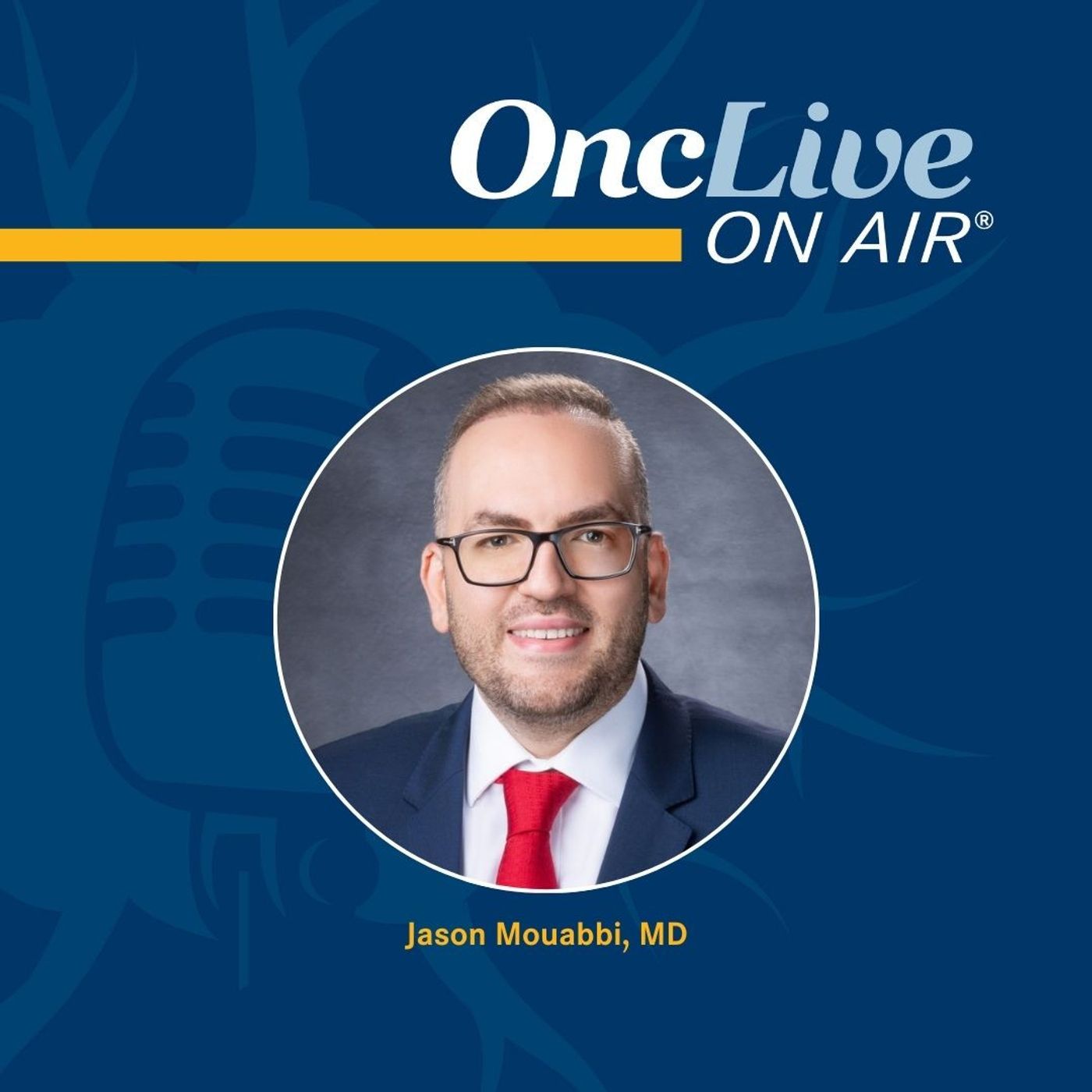
The DESTINY-Breast11 trial showed a neoadjuvant regimen of TDXD followed by THP achieved a 67.3% pathologic complete response (pCR) rate in high-risk HER2+ breast cancer. This is the highest pCR rate seen in a registrational trial, signaling a potential new standard of care.
A subtle finding in the DESTINY-Breast11 trial, where TDXD alone underperformed TDXD followed by THP, suggests that taxane-based chemotherapy might remain effective even after a patient's HER2-positive cancer becomes resistant to the antibody-drug conjugate TDXD.
To mitigate long-term toxicity from TDXD, oncologists are proposing an "induction/maintenance" approach. Patients receive TDXD for an initial period to achieve maximal response, then switch to a less toxic maintenance regimen for a "chemotherapy holiday," improving quality of life.
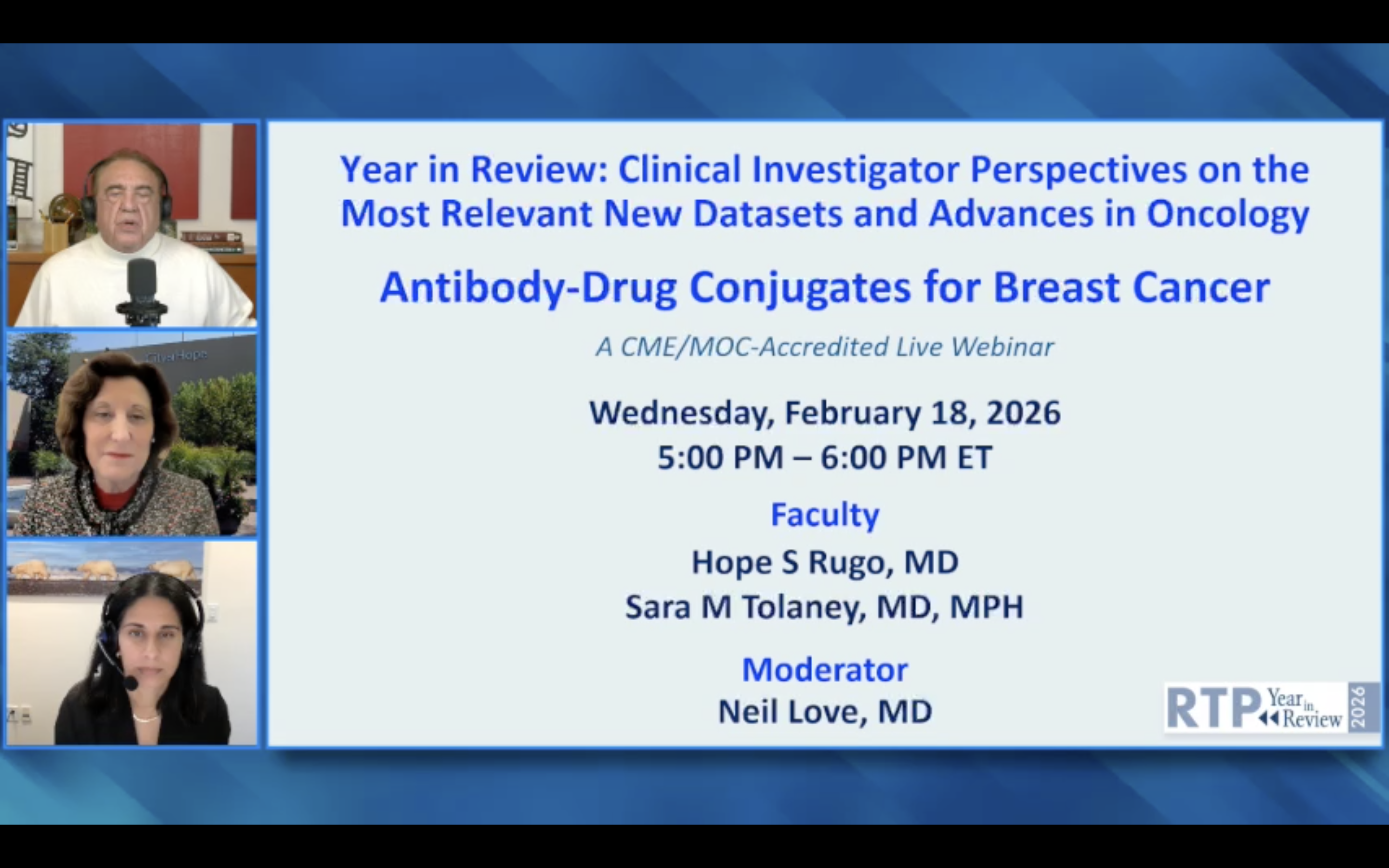
The high efficacy of neoadjuvant TDXD in high-risk HER2+ breast cancer presents a compelling argument to avoid initial surgery for patients with reasonably sized tumors. There is currently no data to support using adjuvant TDXD for patients who undergo surgery first.