Get your free personalized podcast brief
We scan new podcasts and send you the top 5 insights daily.
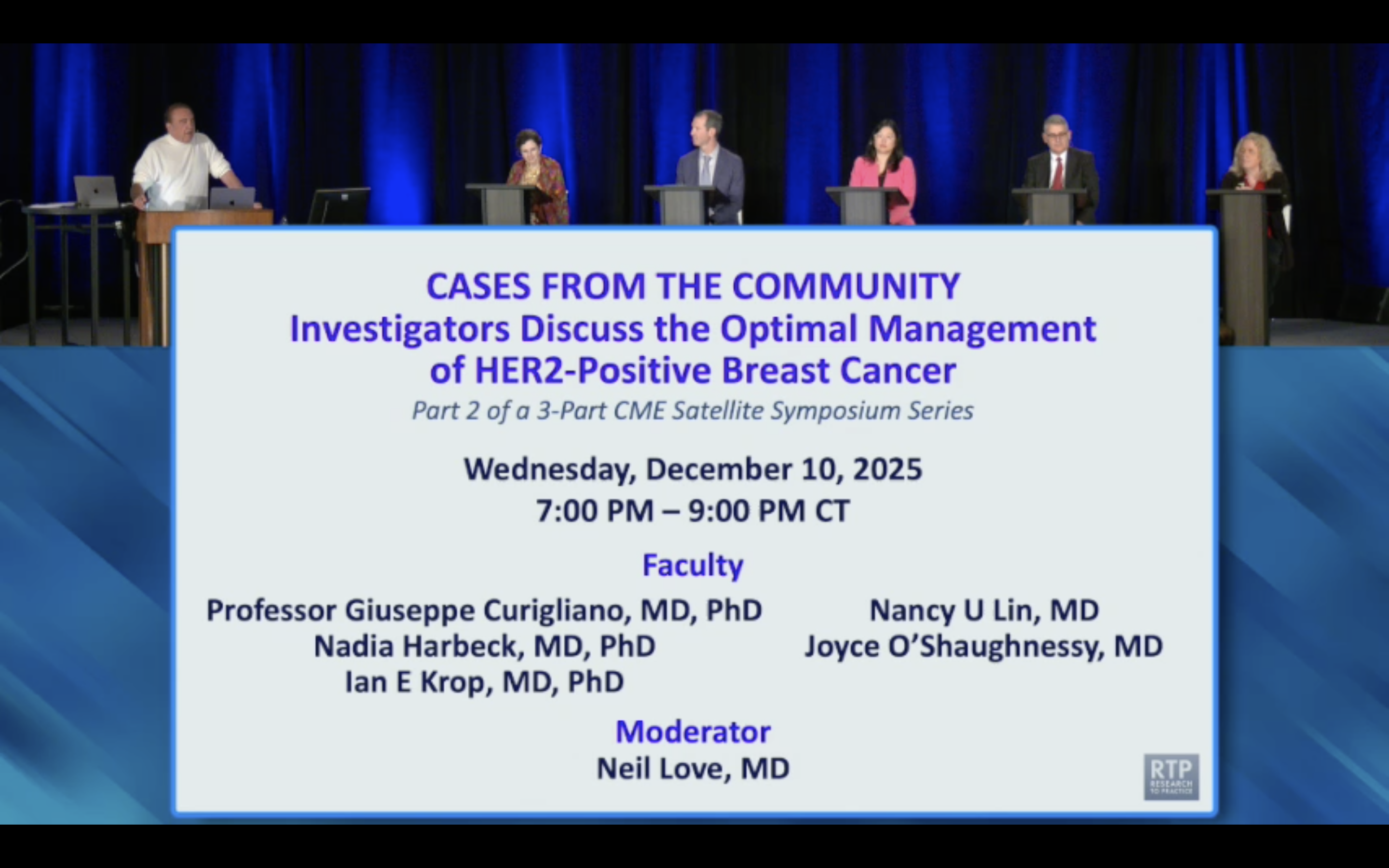
The DESTINY-Breast11 trial showed a neoadjuvant regimen of TDXD followed by THP achieved a 67.3% pathologic complete response (pCR) rate in high-risk HER2+ breast cancer. This is the highest pCR rate seen in a registrational trial, signaling a potential new standard of care.
Related Insights
A dramatic epidemiological shift has occurred in HER2+ breast cancer. Due to highly effective adjuvant therapies preventing recurrence, the majority of new metastatic cases (two-thirds) are now de novo, a complete reversal from 15 years ago when relapsed disease dominated.
In neoadjuvant settings, ctDNA monitoring allows for real-time therapy adjustment. Data from the iSpy platform shows 80% of hormone-positive patients clear ctDNA with half the chemotherapy, enabling de-escalation, while the remaining 20% can be identified for escalated treatment.
The HER2CLIMB-02 trial found that adding tucatinib to TDM-1 offered only a modest 2-month PFS benefit. This came at the cost of substantially increased toxicity, including transaminitis and diarrhea, suggesting the two agents are better used sequentially for most patients.
Data from DESTINY-Breast09 shows TDXD plus pertuzumab dramatically improved progression-free survival in first-line metastatic HER2+ breast cancer. This unprecedented efficacy raises new questions about optimal treatment duration and the potential for de-escalated maintenance therapy after induction.
The trial's 57.1% pathologic complete response (pCR) rate is deceptively conservative. It categorized patients who responded well but declined surgery as non-responders, suggesting the treatment's true biological efficacy is even higher than the already impressive reported figure.
In neoadjuvant therapy, a patient's long-term outcome is better predicted by stopping tumor DNA shedding (ctDNA clearance) than by achieving pathologic complete response (pCR), the traditional gold standard. This redefines what constitutes a successful treatment response before surgery.
In metastatic breast cancer, approximately one-third of patients are unable to proceed to a second line of therapy due to disease progression or declining performance status. This high attrition rate argues for using the most effective agents, such as ADCs, in the first-line setting.
With pathologic complete response rates approaching 67% in patients completing neoadjuvant EV-Pembro, a majority of cystectomies are now removing cancer-free bladders. This creates an ethical and clinical imperative to rapidly launch prospective trials to validate bladder preservation strategies and avoid overtreatment.

An expert oncologist identified a pathological complete response (pCR) rate over 50% as the benchmark that would fundamentally alter treatment. The EV Pembro trial's 57% pCR rate crossed this threshold, forcing a shift from a surgery-centric model toward bladder preservation strategies and systemic therapy.
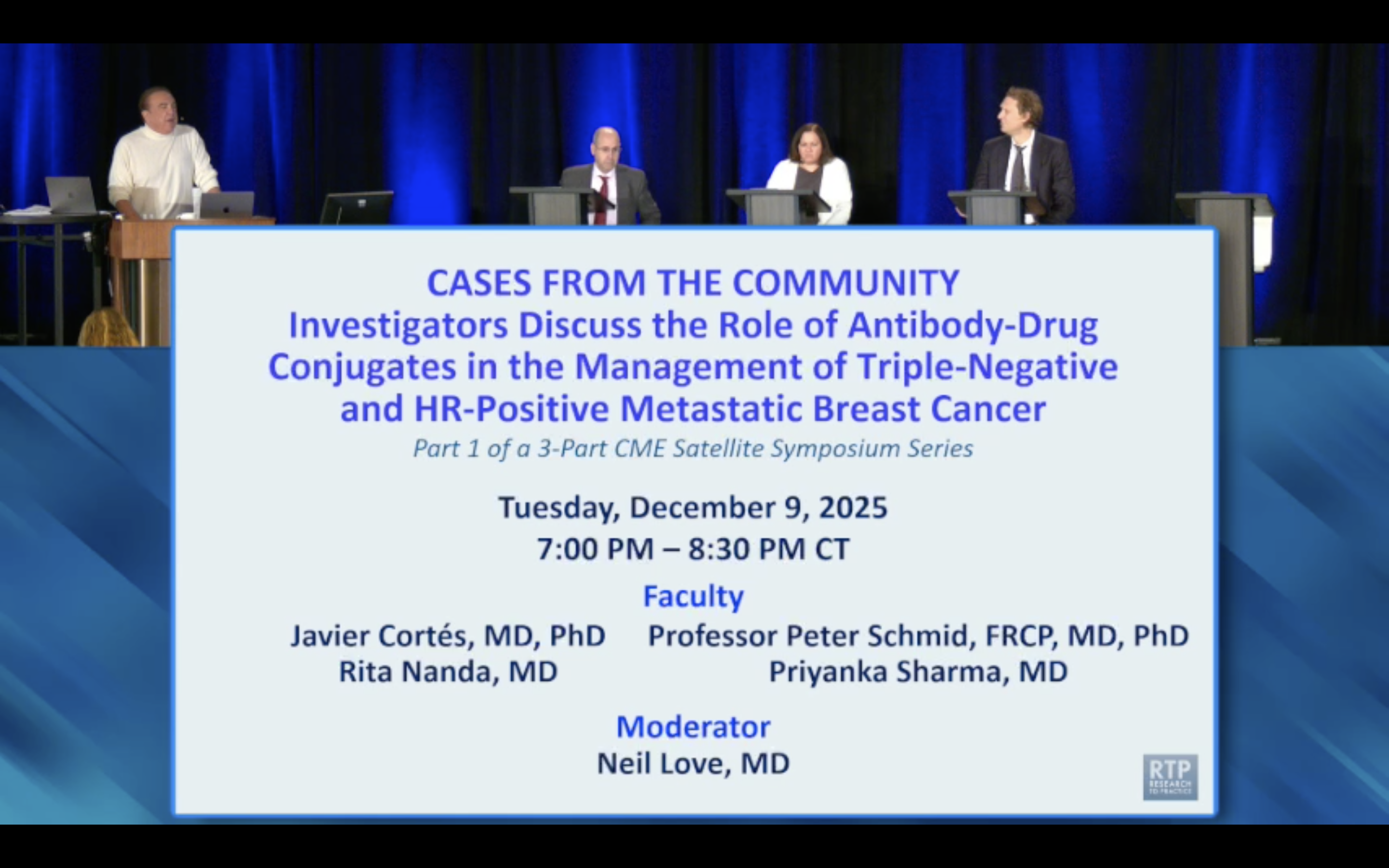
Clinical trial data shows that despite specific toxicities, antibody-drug conjugates (ADCs) can be better tolerated overall than standard chemotherapy. For example, trials for both sacituzumab govitecan and dato-DXd reported fewer patients discontinuing treatment in the ADC arm compared to the chemotherapy arm.