Get your free personalized podcast brief
We scan new podcasts and send you the top 5 insights daily.
The high efficacy of neoadjuvant TDXD in high-risk HER2+ breast cancer presents a compelling argument to avoid initial surgery for patients with reasonably sized tumors. There is currently no data to support using adjuvant TDXD for patients who undergo surgery first.
Related Insights
While Trastuzumab deruxtecan (TDXD) is effective in HER2-low breast cancer, there is no evidence that it benefits patients with HER2-low or HER2-intermediate (IHC 2+/FISH negative) gastric cancer. Its use should be strictly limited to truly HER2-positive cases in this disease.

Due to cumulative toxicity concerns with TDXD, particularly ILD, clinicians express more comfort with the shorter 4-cycle neoadjuvant course from DESTINY-Breast11 than the prolonged 14-cycle adjuvant therapy in DESTINY-Breast05, favoring front-loading the treatment.

Data from DESTINY-Breast09 shows TDXD plus pertuzumab dramatically improved progression-free survival in first-line metastatic HER2+ breast cancer. This unprecedented efficacy raises new questions about optimal treatment duration and the potential for de-escalated maintenance therapy after induction.
Positive data from both DESTINY-Breast09 (TDXD-based) and PATINA (CDK4/6i maintenance) create a new dilemma. With similar PFS outcomes, the first-line choice for metastatic HER2+/HR+ patients now hinges on toxicity profiles and patient preference rather than a single efficacy winner.
The DESTINY-Breast11 trial showed a neoadjuvant regimen of TDXD followed by THP achieved a 67.3% pathologic complete response (pCR) rate in high-risk HER2+ breast cancer. This is the highest pCR rate seen in a registrational trial, signaling a potential new standard of care.
Standard cancer surgery often removes lymph nodes—the factories producing immune cells. Administering immunotherapy *before* this destructive process is critical. It arms the immune system while it is still intact and capable of mounting a powerful, targeted response against the tumor.

A subtle finding in the DESTINY-Breast11 trial, where TDXD alone underperformed TDXD followed by THP, suggests that taxane-based chemotherapy might remain effective even after a patient's HER2-positive cancer becomes resistant to the antibody-drug conjugate TDXD.
To mitigate long-term toxicity from TDXD, oncologists are proposing an "induction/maintenance" approach. Patients receive TDXD for an initial period to achieve maximal response, then switch to a less toxic maintenance regimen for a "chemotherapy holiday," improving quality of life.
Modern breast cancer treatment has shifted from a 'one-size-fits-all' aggressive approach to a highly individualized one. By de-escalating care—doing smaller surgeries, minimizing radiation, and sometimes omitting chemotherapy or lymph node biopsies—clinicians can achieve better outcomes with fewer long-term complications for patients with favorable disease characteristics.
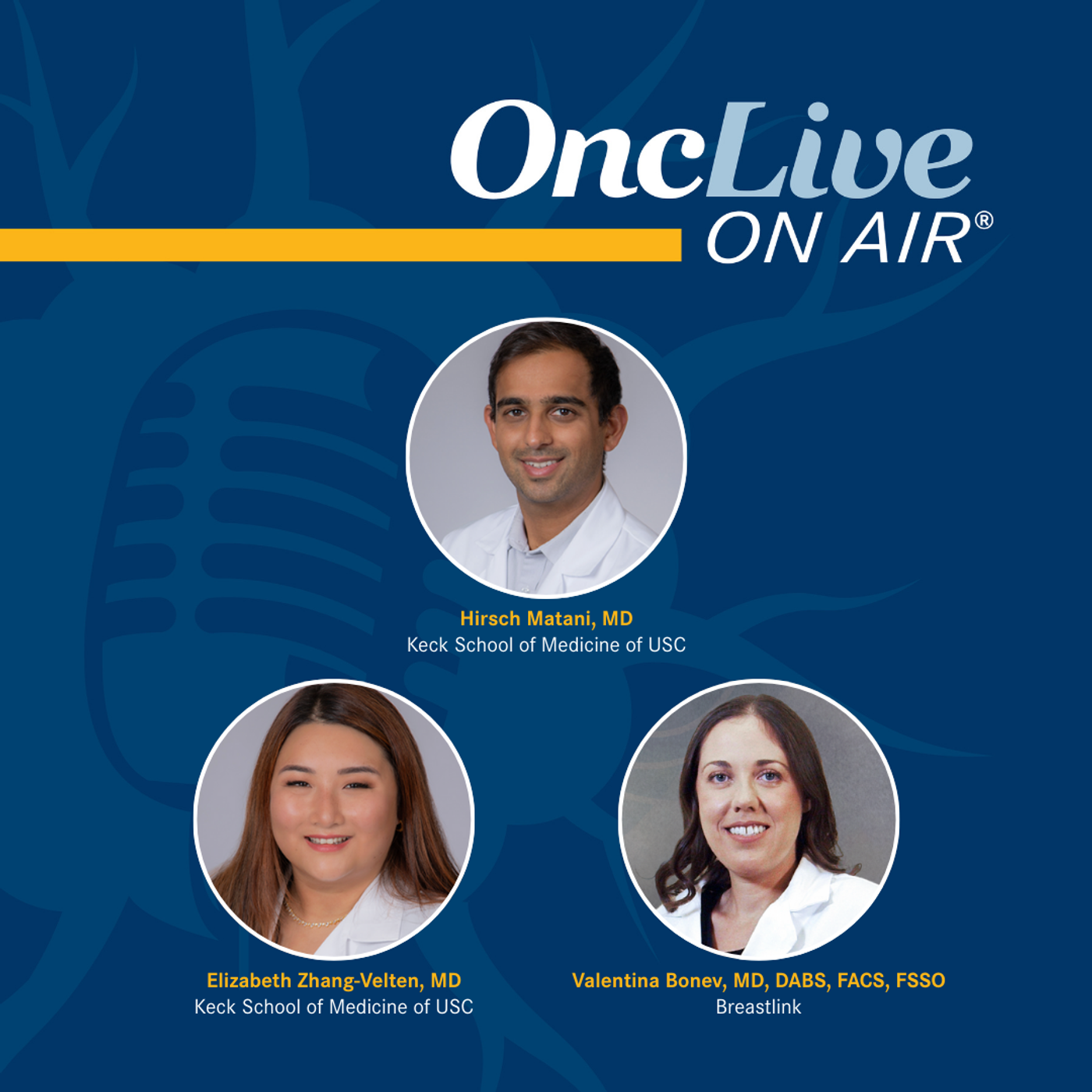
While oncologists focus on the low 4% rate of Interstitial Lung Disease (ILD) from neoadjuvant TDXD, surgeons worry this complication could prevent patients from reaching potentially curative surgery, drawing parallels to issues seen with neoadjuvant immunotherapy.