Get your free personalized podcast brief
We scan new podcasts and send you the top 5 insights daily.
The founder built custom e-commerce functionality for discounting and upselling, only using Shopify for the final checkout. He argues that standard plugins are for SKU-based stores, while their personalized product is better treated as a custom service. This requires a bespoke front-end experience to maximize conversions and deliver a more tailored journey.

Related Insights
To shift a services-oriented company to a product mindset, frame productization as a competitive advantage. Repeatable, productized solutions offer greater market differentiation than purely custom builds, leading to more effective competition and new deal wins. This tangible benefit helps secure buy-in from sales and leadership.

The founders were originally trying to run an online snowboard store and found the available software in 2004, like Yahoo Stores, inadequate. They built their own platform out of necessity, which later became Shopify.

E-commerce brands can replace static sales pages with an interactive 'build your own bundle' tool, like Four Sigmatic. As customers add items, they see progress toward unlocking tiered discounts (e.g., 40% off at $99). This gamifies the experience, increases engagement, and drives up average order value.

While third-party Shopify themes seem convenient, they risk becoming unsupported or outdated. For custom builds, the best practice is to use Shopify's native "Dawn" theme as a foundation. It's the most up-to-date and developer-friendly option, ensuring long-term compatibility and easier customization.

As software commoditizes, the buying experience itself becomes a key differentiator. Map the entire customer journey, from awareness to renewal, and design unique, valuable interactions at each stage. This shifts the focus from transactional selling to creating a memorable, human-centric experience that drives purchasing decisions.

Standard PDPs aren't optimized for high-intent DPA traffic from platforms like Facebook or Google. Build dedicated PDPs for these campaigns featuring aggressive bundles and faster information capture to significantly increase conversion rates for this specific, fast-paced audience.
Increase customer spending by analyzing their entire workflow, not just their interaction with your product. Identify products they purchase before using your solution. By offering these yourself (e.g., design templates for a marketing tool), you can increase your "share of wallet" and LTV.

Constantly delivering custom solutions is inefficient and destroys profitability. Instead, define a standardized, repeatable service package that can be sold and delivered consistently, maintaining high margins and simplifying operations.
Platforms like Shopify have enabled small businesses to have faster, higher-converting, and more technically performant online stores than many large, established brands running on clunky, homegrown legacy systems.
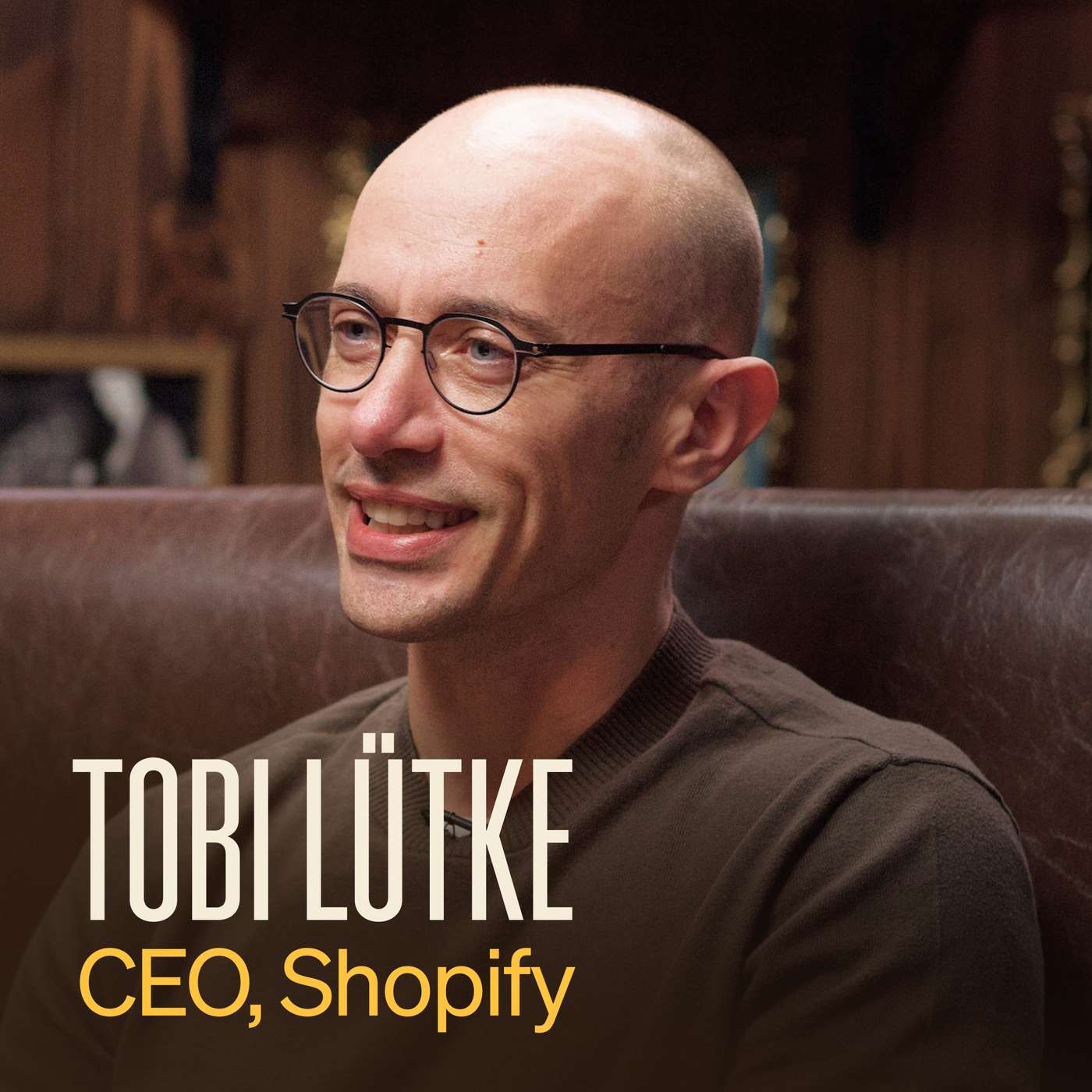
Even as AI agents shift product discovery away from traditional websites, Shopify remains essential. Its core value lies in managing the complex post-purchase lifecycle—returns, shipping, order tracking, and customer data—making it a centralized operational hub that new discovery channels still rely on.
