Get your free personalized podcast brief
We scan new podcasts and send you the top 5 insights daily.
Ben Hunt advises graduates to build their intellectual foundation before entering the investment world. The fiduciary responsibility of managing money consumes one's focus, turning the job into an application (spending) of prior knowledge rather than an accumulation (gaining) of new capital.

Related Insights
Launching and running a fund like an ETF involves two distinct and often conflicting skill sets. While many start as stock pickers who love research, a significant portion of their time is consumed by the business side: fundraising, investor relations, and compliance. Aspiring managers must be prepared for this dual role.
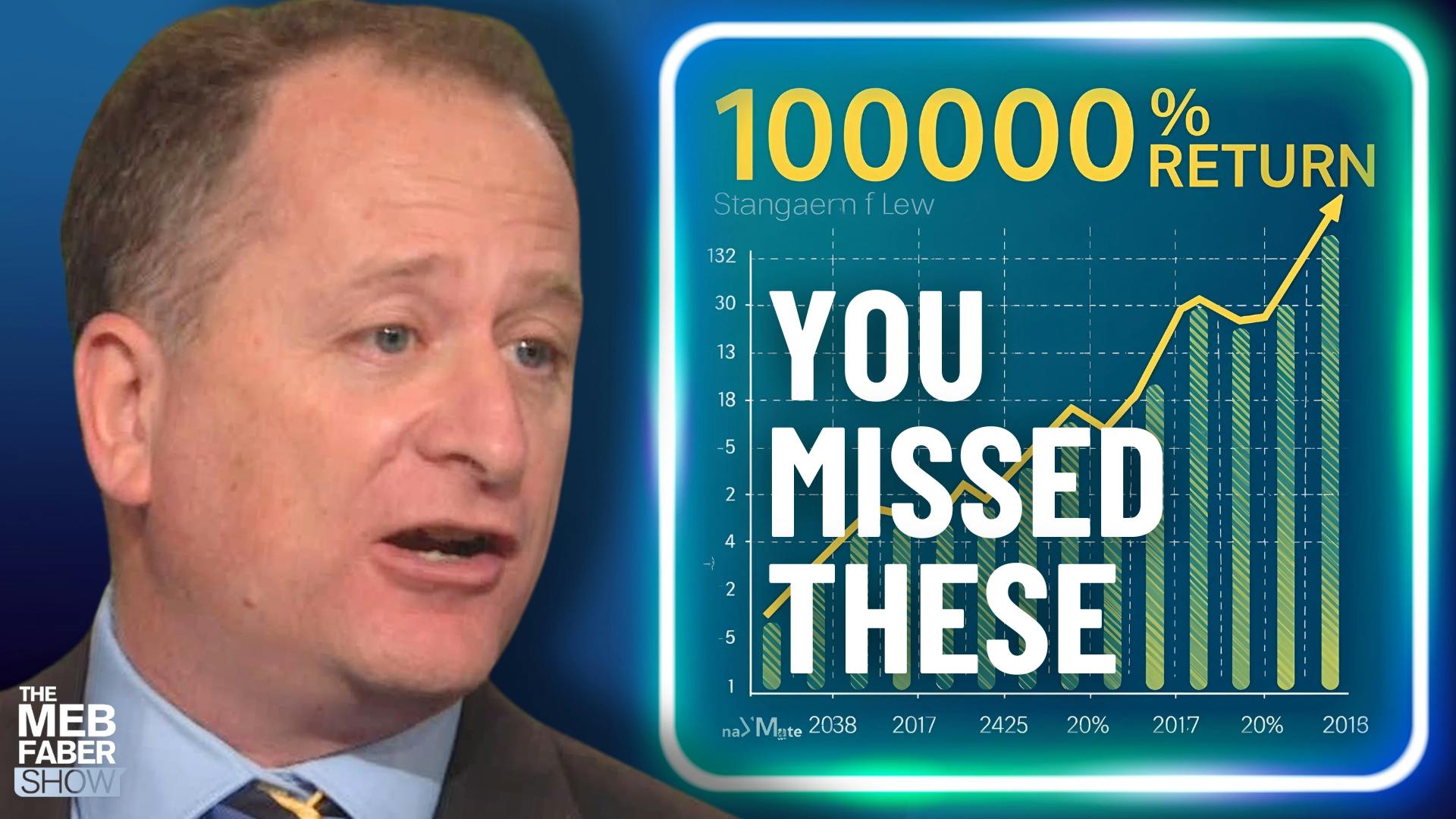
Gaurav Kapadia intentionally chose a lower-paying BCG job over Goldman Sachs to understand corporate dynamics beyond spreadsheets. This 'detour' provided a crucial, practical understanding of how organizations actually work, which he believes accelerated his later success and competitive advantage as an investor.
Many individuals can articulate a detailed investment strategy but have never considered their own philosophy for spending. This oversight ignores a critical half of the wealth equation, which is governed by complex emotions like envy, fear, and contentment. A spending philosophy is as crucial as an investing one.

Ken Griffin advises that graduation marks the beginning, not the end, of education. He argues the most important skill is learning how to learn, as professionals will need to develop entirely new toolkits multiple times over a 40-50 year career to remain relevant amidst technological change and increased longevity.

Ambitious graduates shouldn't join the organization doing the most good in year one, but rather the one that best equips them with skills and networks. This builds "career capital" that prepares them to achieve far greater impact in years 10, 20, and 30 of their careers.

Every new investor brings a unique 'superpower' from their past experience. The key is to lean on that strength while consciously avoiding the assumption that it translates to all areas of investing. Success requires augmenting inevitable blind spots with partners or an external network.
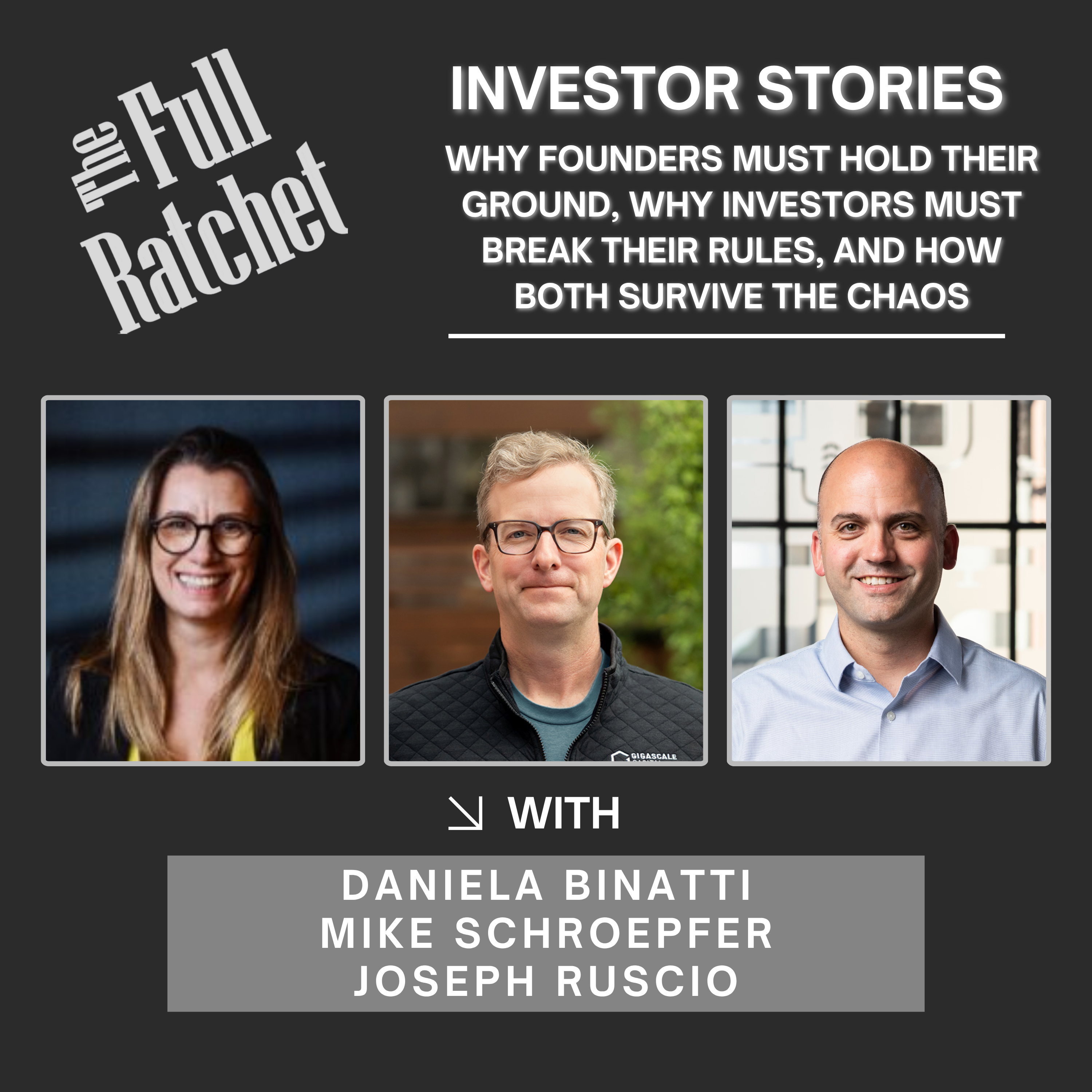
Moving from science to investing requires a critical mindset shift. Science seeks objective, repeatable truths, while investing involves making judgments about an unknowable future. Successful investors must use quantitative models as guides for judgment, not as sources of definitive answers.
Investors can spend years reading theory, but the marginal returns on information diminish without practical application. Shifting from passive learning to active company analysis is crucial for overcoming "imposter syndrome" and building real-world conviction.
To truly learn about markets or entrepreneurship, you must participate directly, even on a small scale. This visceral experience of investing $50 or starting a micro-business provides far deeper insights than purely theoretical or cerebral learning. Combine this hands-on experience with mentorship from pros.

Aspiring LPs are advised to focus on building their network and following established signals of quality. Attempting to *be* the signal-setting investor early in one's career is high-risk, as it requires decades of experience and pattern recognition that newcomers lack.