Get your free personalized podcast brief
We scan new podcasts and send you the top 5 insights daily.
Truly exceptional talent often combines two powerful traits that shouldn't coexist, such as being both deeply data-rigorous and wildly creative, or intensely paranoid short-term yet religiously optimistic long-term. This rare blend of contradictory skills is a signal of a world-class operator.

Related Insights
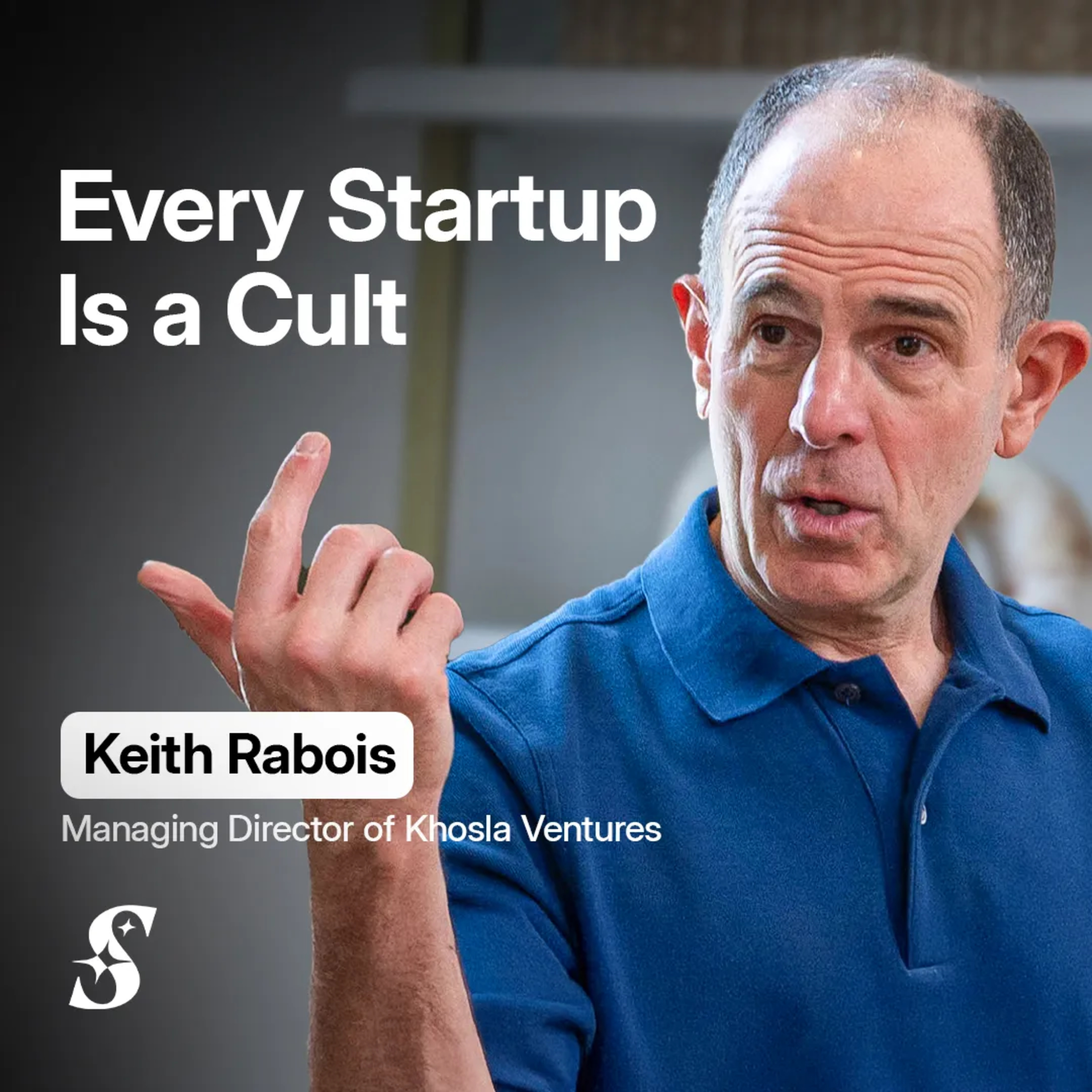
Elite talent manifests in two primary ways. An individual is either in the top 0.01% on a single dimension (e.g., tenacity, sales), or they possess a rare Venn diagram of skills that don't typically coexist (e.g., a first-rate technologist who is also a first-rate business strategist).
Peter Thiel suggests that founders often embody contradictory traits simultaneously (e.g., disagreeable yet charismatic, insider and outsider). Their personalities follow an 'inverse normal distribution,' making them powerful but also dangerous leaders compared to interchangeable managers.

A crucial, non-obvious skill for product leaders is holding two contradictory ideas at once. This includes maintaining deep conviction in a vision while remaining genuinely open to being wrong. This mental flexibility allows for decisive action without succumbing to dogmatism, which is critical for navigating complex product decisions.

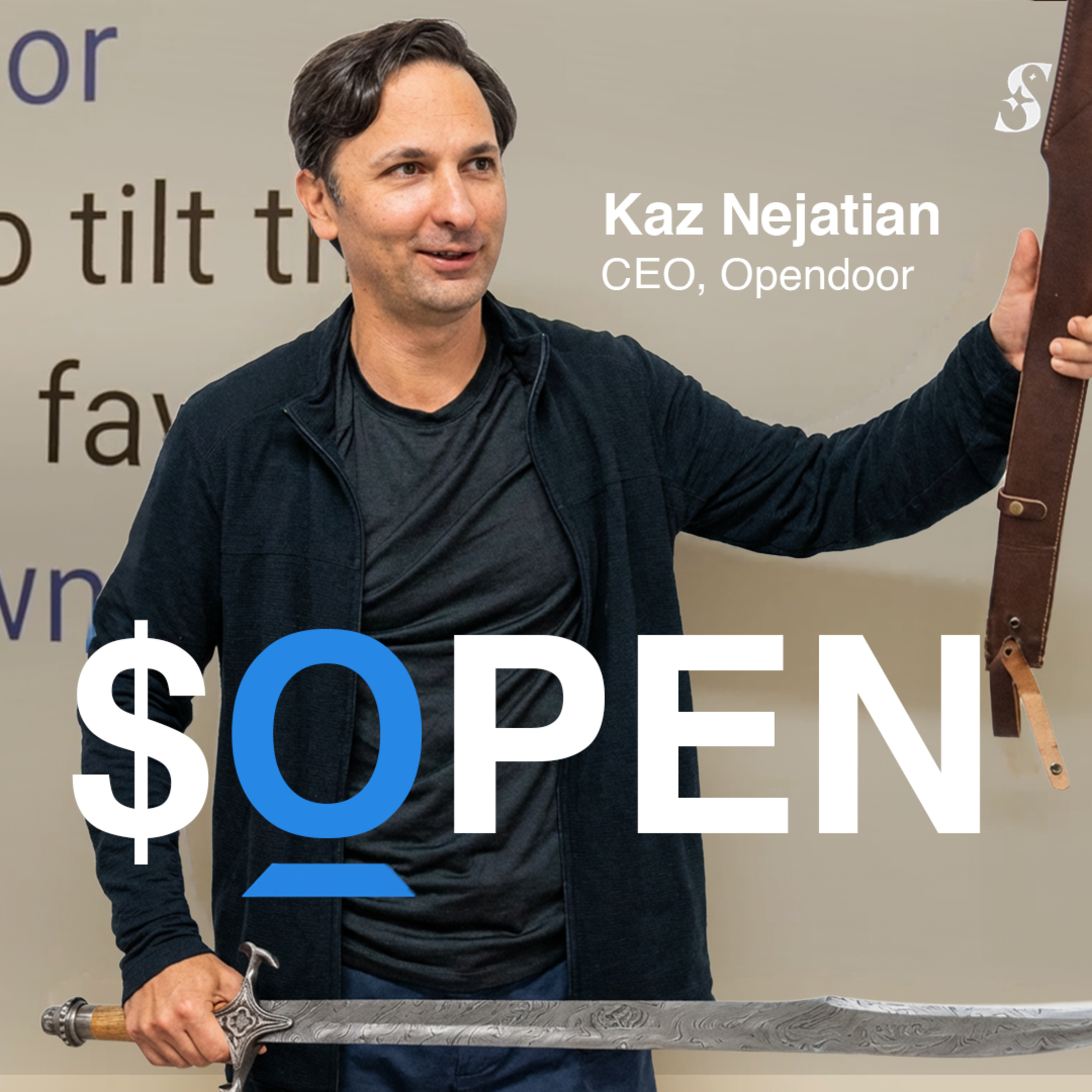
Rather than trying to become a well-rounded, traditional leader, Opendoor's CEO focuses on sharpening his unique "edges." He then surrounds himself with people who are "edgy" in complementary ways, creating a balanced team of focused experts rather than a bland group of generalists.
The best leaders have a vertically integrated skillset. They can operate at the 30,000-foot strategic level ("clouds") but are also capable of executing the ground-level, tactical work ("dirt"). This full-stack capability is a hallmark of top talent.

Investor Byron Deeter looks for two seemingly contradictory traits: intense conviction and coachability. The signal of a great leader is that when pressure mounts, they don't retreat inward; they actively seek more input from their team and advisors before making a decisive call.

Exceptional individuals like Musk are often driven by a combination of 'clean fuel' (visionary goals) and 'dirty fuel' (demons from a difficult past). The key is not to eliminate the darkness, but to make the demons 'pull the plow' toward a productive end.

Top performers maintain a healthy balance by rapidly toggling between two extremes: believing they are exceptional and simultaneously feeling like they have failed. This duality fuels ambition while preventing the complacency that comes with pure ego or the paralysis of pure self-doubt.

If a highly successful person repeatedly makes decisions that seem crazy but consistently work, don't dismiss them. Instead, assume their model of reality is superior to yours in a key way. Your goal should be to infer what knowledge they possess that you don't.
From his long career observing top performers, Blankfein concludes that it is exceptionally rare to find both brilliance and sound judgment in the same individual. This insight underscores the critical importance of building teams that balance these distinct and separate traits.
