Get your free personalized podcast brief
We scan new podcasts and send you the top 5 insights daily.
From his long career observing top performers, Blankfein concludes that it is exceptionally rare to find both brilliance and sound judgment in the same individual. This insight underscores the critical importance of building teams that balance these distinct and separate traits.

Related Insights
Elite talent manifests in two primary ways. An individual is either in the top 0.01% on a single dimension (e.g., tenacity, sales), or they possess a rare Venn diagram of skills that don't typically coexist (e.g., a first-rate technologist who is also a first-rate business strategist).
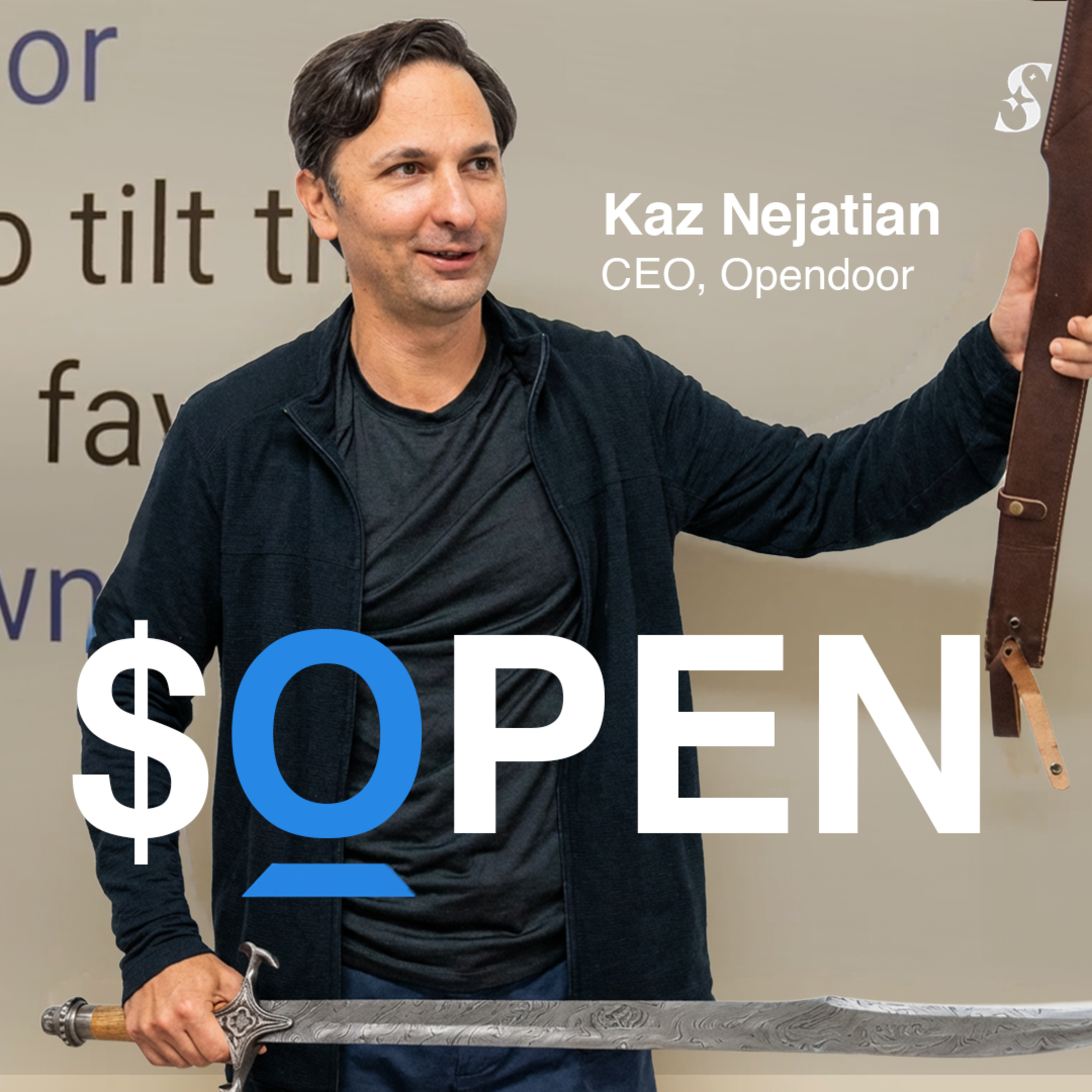
Rather than trying to become a well-rounded, traditional leader, Opendoor's CEO focuses on sharpening his unique "edges." He then surrounds himself with people who are "edgy" in complementary ways, creating a balanced team of focused experts rather than a bland group of generalists.
David Solomon counters the Silicon Valley trend of hiring for 'slope' (potential). He argues that for large, established companies, deep experience provides the critical judgment needed to navigate the difficult 51/49 decisions that arise during crises, a quality he feels is underrated.

Hiring for "cultural fit" can lead to homogenous teams and groupthink. Instead, leaders should seek a "cultural complement"—candidates who align with core values but bring different perspectives and experiences, creating a richer and more innovative team alchemy.

The U.S. military discovered that leaders with an IQ more than one standard deviation above their team are often ineffective. These leaders lose 'theory of mind,' making it difficult for them to model their team's thinking, which impairs communication and connection.

When a team has a gap in one of the six genius types, the one person who possesses that "minority genius" is crucial for balance. However, the team's natural tendency is to dismiss or "expel them like a virus" because their approach is different. Leaders must consciously cherish and protect these individuals.

Thomas Mueller-Borja measures success by consistent improvement and purpose-driven drive. The people who rise rapidly are not just smart, but are self-starters with "hustle" who can self-regulate their emotions and work collaboratively. This blend of IQ and temperament is the "special sauce."

Visionary, fast-paced leaders naturally gravitate toward hiring people like themselves. However, to build a balanced and effective team, they must consciously hire for complementary traits—like detail-orientation and methodical thinking—to provide necessary rigor, ensure completion, and prevent burnout.

Neurodiverse individuals in the investment industry are often just called idiosyncratic or brilliant. Research frames neurodiversity as a superpower, enabling teams to analyze the same data from different perspectives. This cognitive friction is a pathway to generating alpha by seeing what homogenous teams miss.

The most important job of a leader is team building. This means deliberately hiring functional experts who are better than the CEO in their specific fields. A company's success is a direct reflection of the team's collective talent, not the CEO's individual brilliance.
