Get your free personalized podcast brief
We scan new podcasts and send you the top 5 insights daily.
In a globally distributed company with both human and digital workers, Slack serves as the central 'operating system.' It handles cross-functional processes like approvals, provides a common interface for interacting with AI agents, and normalizes time zone differences, making it a command center for the entire workforce.

Related Insights
While AI threatens many software companies, those built on strong network effects (like Slack) could become even more vital. AI agents will need to use these platforms as tools to perform tasks, solidifying their position as the central hub of work.
![Alex Sacerdote - How to Invest Through Technology Cycles - [Invest Like the Best, EP.477] thumbnail](https://megaphone.imgix.net/podcasts/638034f8-63bb-11f1-8c95-6396d39926c0/image/bf350c0e87fc4d280ef1c0572526d26d.jpg?ixlib=rails-4.3.1&max-w=3000&max-h=3000&fit=crop&auto=format,compress)
Features like Anthropic's Claude Tag embed powerful AI capabilities directly into collaborative platforms like Slack. This moves AI from an individual tool to a group experience, giving non-technical team members access to advanced functions and providing the AI with persistent team context.

Shopify built an AI agent named River that works exclusively in public Slack channels, never in DMs. This forces collaboration into the open, allowing 6,000 employees to watch and learn from each other's interactions with the AI, accelerating company-wide adoption and skill development.

To eliminate delays from reps chasing approvals from Deal Desk, Legal, and RevOps, Anthropic centralized all support requests into Slack. An AI agent then triages these tickets, either resolving them based on company policy or escalating them with full context to the right human. This shifts the burden from reps navigating systems to systems coming to the reps.

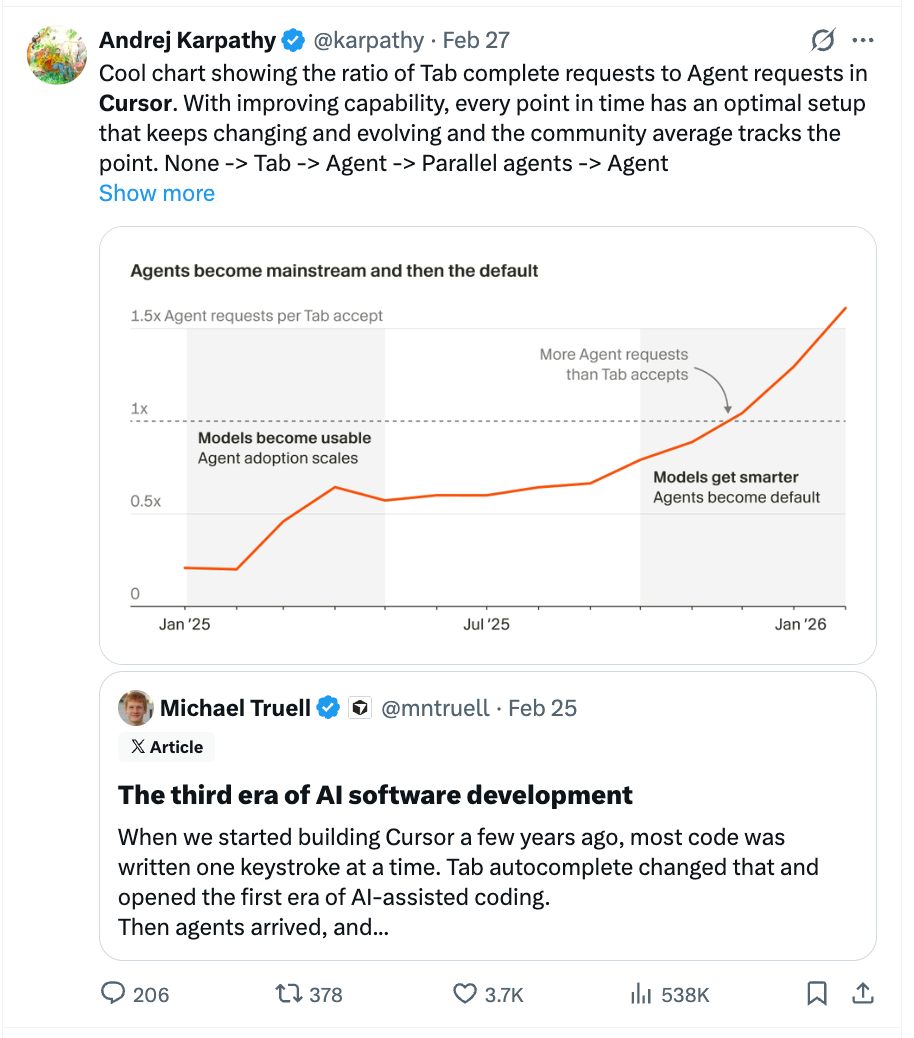
At Cursor, development is increasingly happening in Slack channels. Team members collectively kick off and redirect a cloud agent in a thread, turning development into a collaborative discussion. The IDE becomes a secondary tool, while communication platforms become the primary surface.
Instead of confining users to its app, Linear's first homegrown agent was built for Slack's interface. This user-centric strategy embeds workflows into existing habits—like summarizing a long Slack thread into tickets—acknowledging that work happens across an ecosystem of tools.

Building a bespoke communication layer for multiple AI agents is a complex "scaffolding" problem. A simpler, more direct solution is to treat agents as digital coworkers, assigning them accounts on existing platforms like Slack or Google Docs, enabling them to interact using established human workflows.
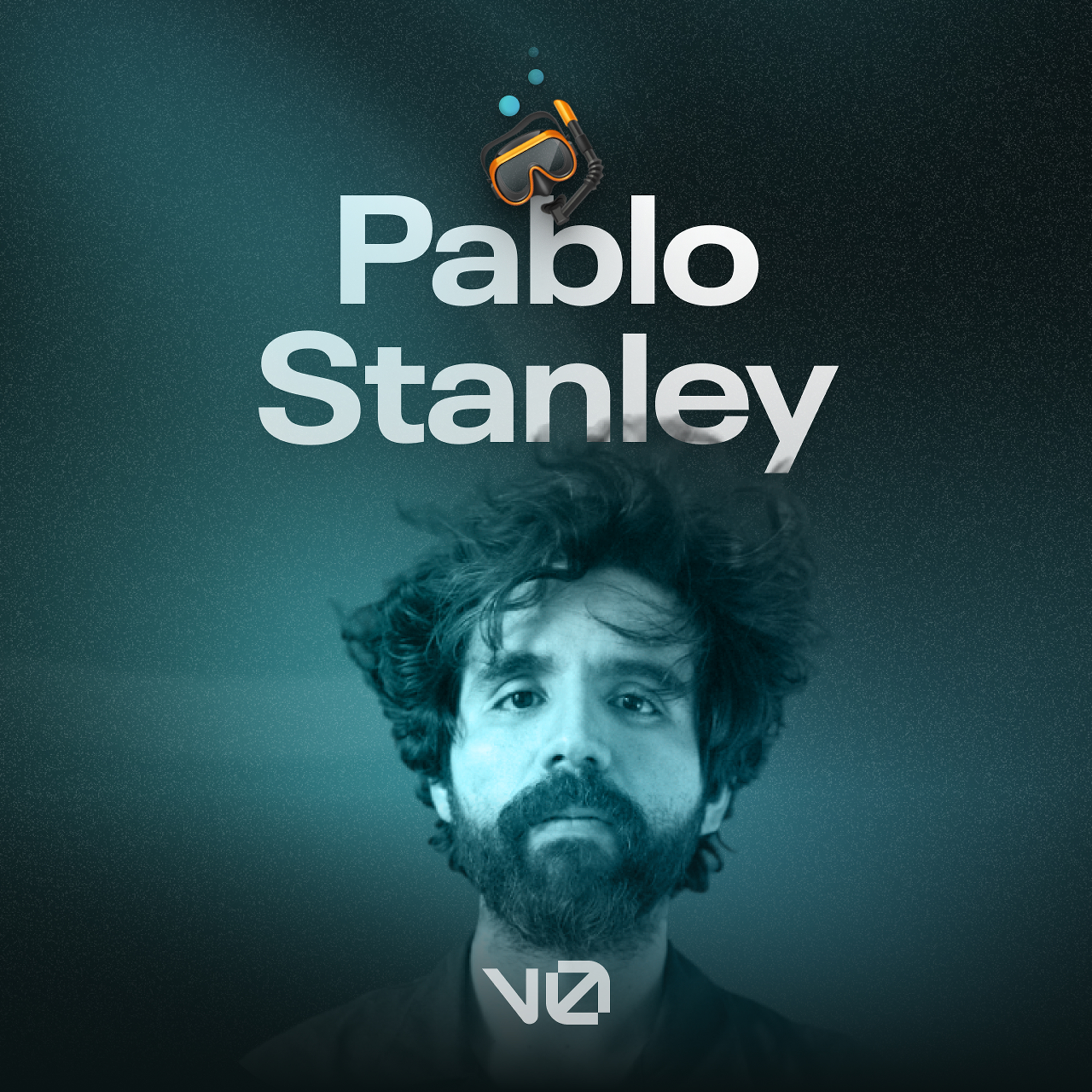
Isolated AI workflows create team disconnects. Pablo Stanley argues for integrating agents into shared, Slack-like environments where they become first-class participants. This allows for transparent, collaborative work between humans and AI, rather than having individuals work with agents in private.
To maximize an AI agent's effectiveness, treat it like a team member, not just a tool. Integrate it directly into your company's communication and project management systems (like Slack). This ensures the agent has the full context necessary to perform its tasks.
To drive adoption of AI agents, don't force users into a new application. Instead, integrate the agent directly into their existing collaboration tools like Slack. This approach reduces friction and makes the agent feel like a natural part of the team, leading to higher engagement and user satisfaction.
