Get your free personalized podcast brief
We scan new podcasts and send you the top 5 insights daily.
An underappreciated component of Warren Buffett's success is his effective communication, which builds immense trust with investors. This trust provides a stable capital base and a longer leash to operate during inevitable periods of poor performance, creating a significant competitive advantage over less communicative peers.
![[REPLAY] Morgan Housel – Same as Ever (EP.359) thumbnail](https://static.libsyn.com/p/assets/f/b/7/6/fb76e1c8bfb69e8dd959afa2a1bf1c87/CA_Square_logo_light_background_6.26.24.jpg)
Related Insights
During due diligence, it's crucial to look beyond returns. Top allocators analyze a manager's decision-making process, not just the outcome. They penalize managers who were “right for the wrong reasons” (luck) and give credit to those who were “wrong for the right reasons” (good process, bad luck).
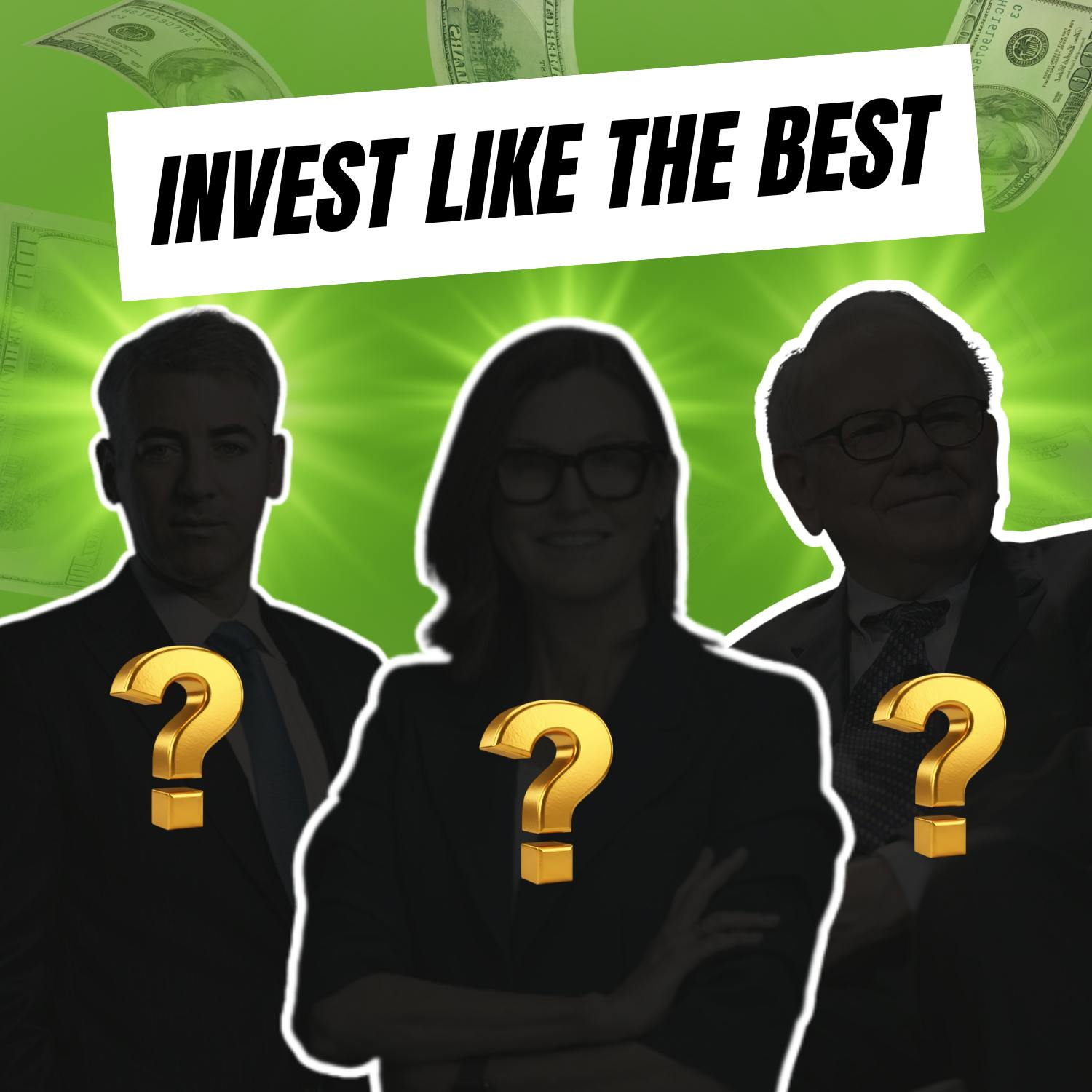
The key to emulating professional investors isn't copying their trades but understanding their underlying strategies. Ackman uses concentration, Buffett waits for fear-driven discounts, and Wood bets on long-term innovation. Individual investors should focus on developing their own repeatable framework rather than simply following the moves of others.
Many fund managers approach capital raising by broadcasting their own "unique" story. However, the most successful ones operate like great listeners, first seeking to understand the specific needs and constraints of the Limited Partner (LP) and then aligning their value proposition accordingly.
Tim Ferriss's success as an angel investor was built on a reputation for discretion and trustworthiness. Founders entrusted him with confidential information, giving him access to top-tier deals. This shows that reputation is a tangible asset that can yield greater returns than direct monetization schemes.

The most effective way to convey complex information, even in data-heavy fields, is through compelling stories. People remember narratives far longer than they remember statistics or formulas. For author Morgan Housel, this became a survival mechanism to differentiate his writing and communicate more effectively.
In a crisis, the public knows no one has all the answers. Attempting to project absolute certainty backfires. A more effective strategy is "confident humility": transparently sharing information gaps and explaining that plans will evolve as new data emerges, which builds credibility.

To elicit candid answers from fund managers, the most effective technique is not the question itself but the silence that follows. Resisting the psychological urge to fill the space forces the manager to sit with the question, often leading to less rehearsed and more truthful responses.
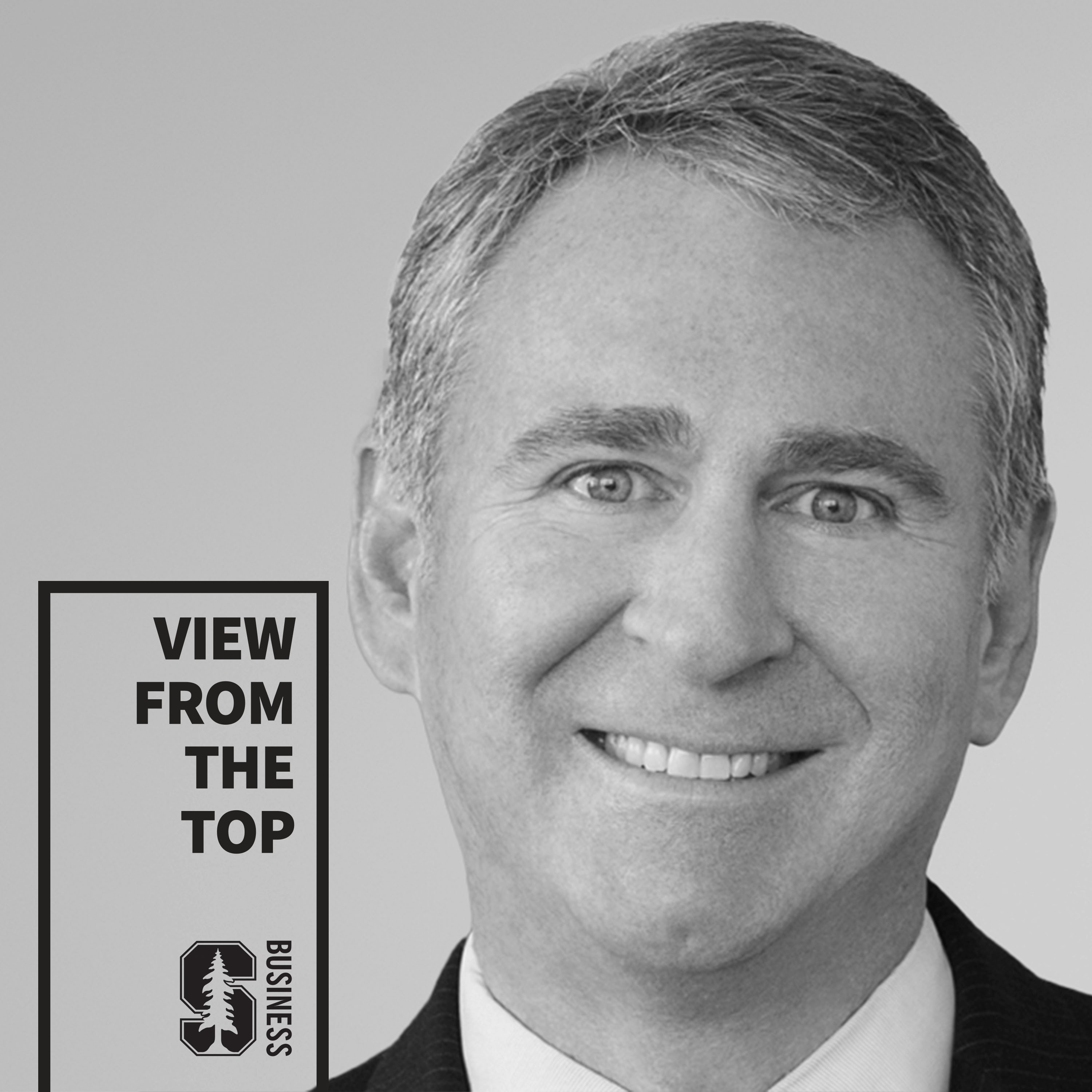
According to Ken Griffin, legendary investors aren't just right more often. Their key trait is having deep clarity on their specific competitive advantage and the conviction to bet heavily on it. Equally important is the discipline to unemotionally cut losses when wrong and simply move on.
Instead of focusing on process, allocators should first ask managers fundamental questions like "What do you believe?" and "Why does this work?" to uncover their core investment philosophy. This simple test filters out the majority of firms that lack a deeply held, clearly articulated conviction about their edge.
Instead of directly praising his successor Greg Abel, Buffett's final letter is a masterclass in indirect endorsement. By repeatedly emphasizing traits like integrity and dependability, he frames character as the most crucial CEO qualification, implicitly anointing Abel without needing to mention his name often.
