Get your free personalized podcast brief
We scan new podcasts and send you the top 5 insights daily.
Banza's first large-scale production run failed because the manufacturer's staff, accustomed to corn and rice, didn't understand the properties of chickpea flour. One operator complained the "corn smells funny," revealing a critical communication gap that turned thousands of pounds of pasta to mush.

Related Insights
Engineering teams meticulously document component details but often fail to apply the same rigor to assembly specifications. This oversight becomes a major source of failure, especially when transitioning from pilot lines to high-volume manufacturing.

Feel Goods learned that perfecting a formula in a kitchen is misleading. Moving to a manufacturer introduces new suppliers and larger ingredient quantities, which drastically alters the final product's taste and consistency. This makes initial small-batch R&D far less valuable for scaling.
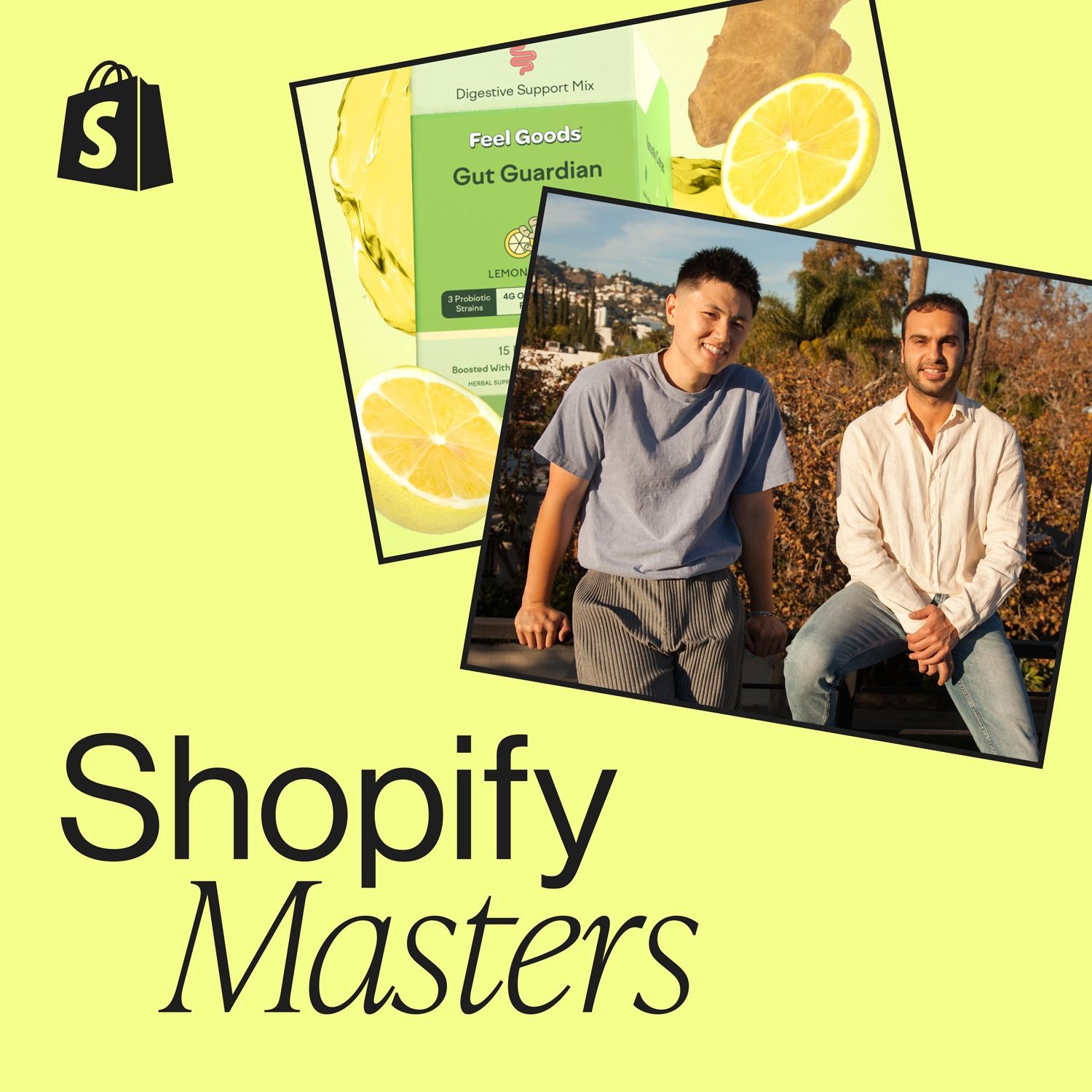
When leading beverage manufacturers refused to produce their unique, raw-ingredient recipe, the founders built their own bespoke manufacturing facility. This vertical integration was necessary to maintain product quality and bring their vision to market, despite the challenge of building two businesses at once.

Banza wasn't created to chase the protein trend. Founder Brian Rudolph, sensitive to wheat, was experimenting with chickpeas to make pasta he could eat. The high protein and fiber content was a fortunate byproduct that later became a core marketing pillar.
When scaling to production, the biggest pitfall is the implicit knowledge held by the original design team who unconsciously fill procedural gaps. To succeed, involve someone with a manufacturing background but no project history to rigorously review procedures and expose these unstated assumptions before scaling.
Alison Roman found that scaling her shallot pasta sauce required a complete method overhaul. Large-batch caramelization made the shallots too sweet and jammy, forcing a recipe change, demonstrating that scaling food production is a complex chemistry problem.

To ensure a smooth transition from development to production, an operations or manufacturing SME must be part of the design process from the start. Otherwise, products are developed without manufacturability in mind, leading to expensive, reactive fixes and subjective quality control during scale-up.
When attending a cereal-making course, established experts claimed his unconventional ingredients wouldn't work at scale. He proceeded anyway, suspecting their knowledge was outdated and hadn't kept up with new ingredients, demonstrating a classic case of the "expert's dilemma."
When early production runs resulted in mushy pasta, Banza faced a critical retail deadline. Instead of scrapping 20,000 boxes, they discovered the pasta cooked better if steeped like tea. They added stickers to every box with the new instructions and shipped the product.
Founders in CPG should personally master the hands-on production of their product before outsourcing. This deep knowledge of the process is invaluable, equipping you to ask specific technical questions and properly evaluate a co-manufacturer's capabilities, ensuring quality is maintained at scale.