Get your free personalized podcast brief
We scan new podcasts and send you the top 5 insights daily.
When attending a cereal-making course, established experts claimed his unconventional ingredients wouldn't work at scale. He proceeded anyway, suspecting their knowledge was outdated and hadn't kept up with new ingredients, demonstrating a classic case of the "expert's dilemma."

Related Insights
Knowing too much about an industry's conventional wisdom can be paralyzing. Chomps' co-founder reflects that their early naivete was a strength, allowing them to follow their intuition and build the business in an unconventional way without being deterred by industry norms.
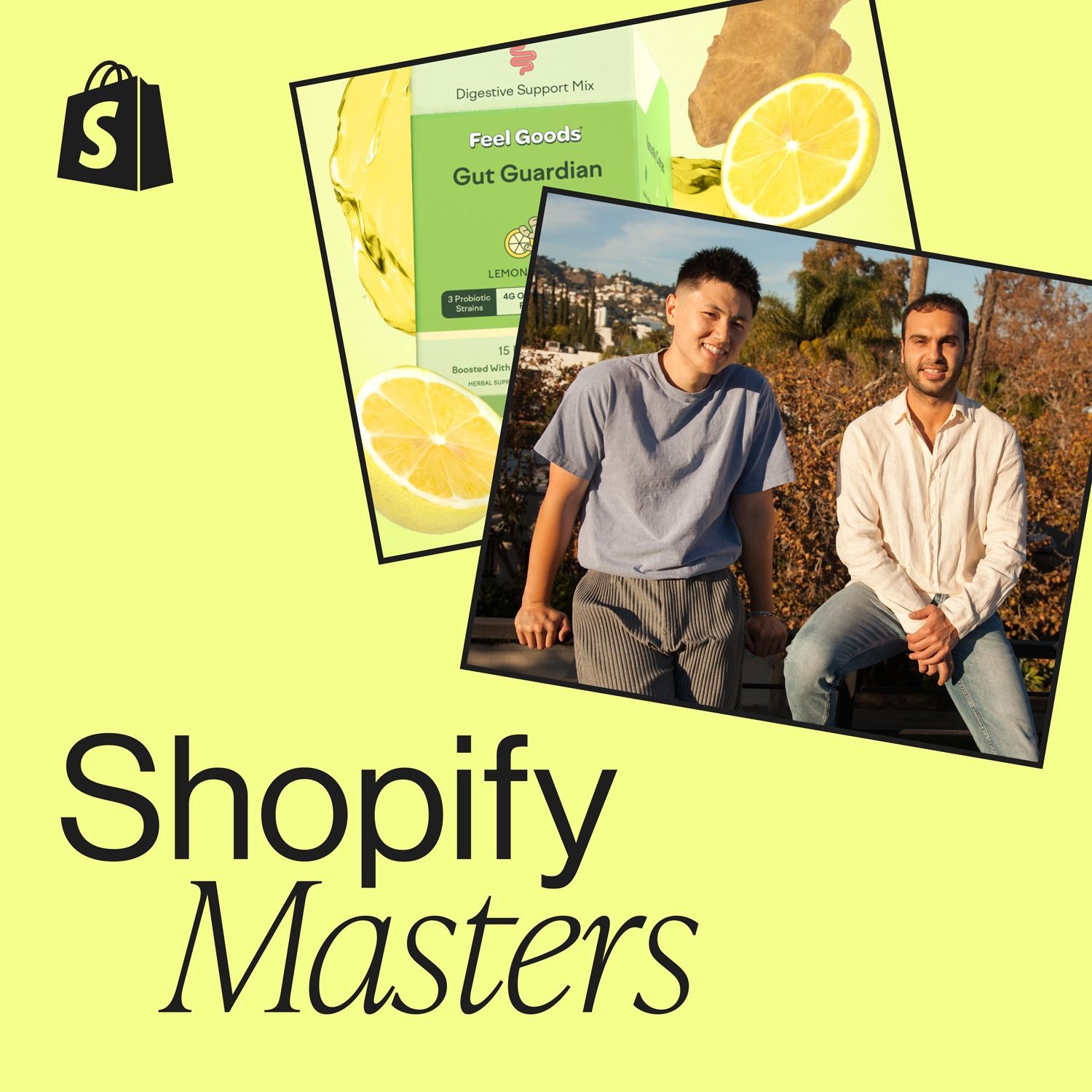
Feel Goods learned that perfecting a formula in a kitchen is misleading. Moving to a manufacturer introduces new suppliers and larger ingredient quantities, which drastically alters the final product's taste and consistency. This makes initial small-batch R&D far less valuable for scaling.
Todd Graves's business plan received the worst grade because it ignored industry trends of menu diversification. Instead of changing his plan, he used the professor's valid critique as fuel, believing his focused, "craveable" food concept would succeed against the grain.

Chet Pipkin reflects that his company's biggest missteps occurred when they abandoned their own unique, effective internal systems to adopt "the right way" as prescribed by outside experts. He advises founders to trust their intuition and the bespoke processes that work for their specific business, rather than blindly following conventional wisdom.
When launching the PDX trade show, Pipeline's founder was told by his own team and external event planning experts that the idea was "insane" and a "terrible idea." His persistence despite strong expert resistance was crucial to getting the ambitious, and ultimately successful, project off the ground.

The founder, who has type one diabetes and epilepsy, developed his keto-friendly cereal because he was personally frustrated with the lack of good-tasting, low-carb options. This deep personal connection, or "founder-market fit," fueled his motivation and innovation.
When Google's Larry Page proposed building a self-driving car for cities, AV expert Sebastian Thrun's initial reaction was that it was impossible. This taught him that experts are often the least likely to believe in radical innovation within their own domain.

As they face scaling challenges beyond their expertise, the founders' core hiring philosophy is to bring in people who are significantly more knowledgeable in specific areas like operations. This allows them to focus on their strengths while ensuring the business grows safely.

The co-founder identifies a key tension in scaling: transitioning from a founder-led, convention-defying startup to an expert-driven organization. The daily challenge becomes deciding when to push back with contrarian intuition versus trusting the team's best-practice recommendations.

Quest succeeded by not taking a shortcut. Instead of using high-fructose corn syrup to match existing equipment viscosity, they undertook the difficult task of engineering their own manufacturing equipment. This 'leaning into the hard' created a unique product and a significant competitive moat.
