Get your free personalized podcast brief
We scan new podcasts and send you the top 5 insights daily.
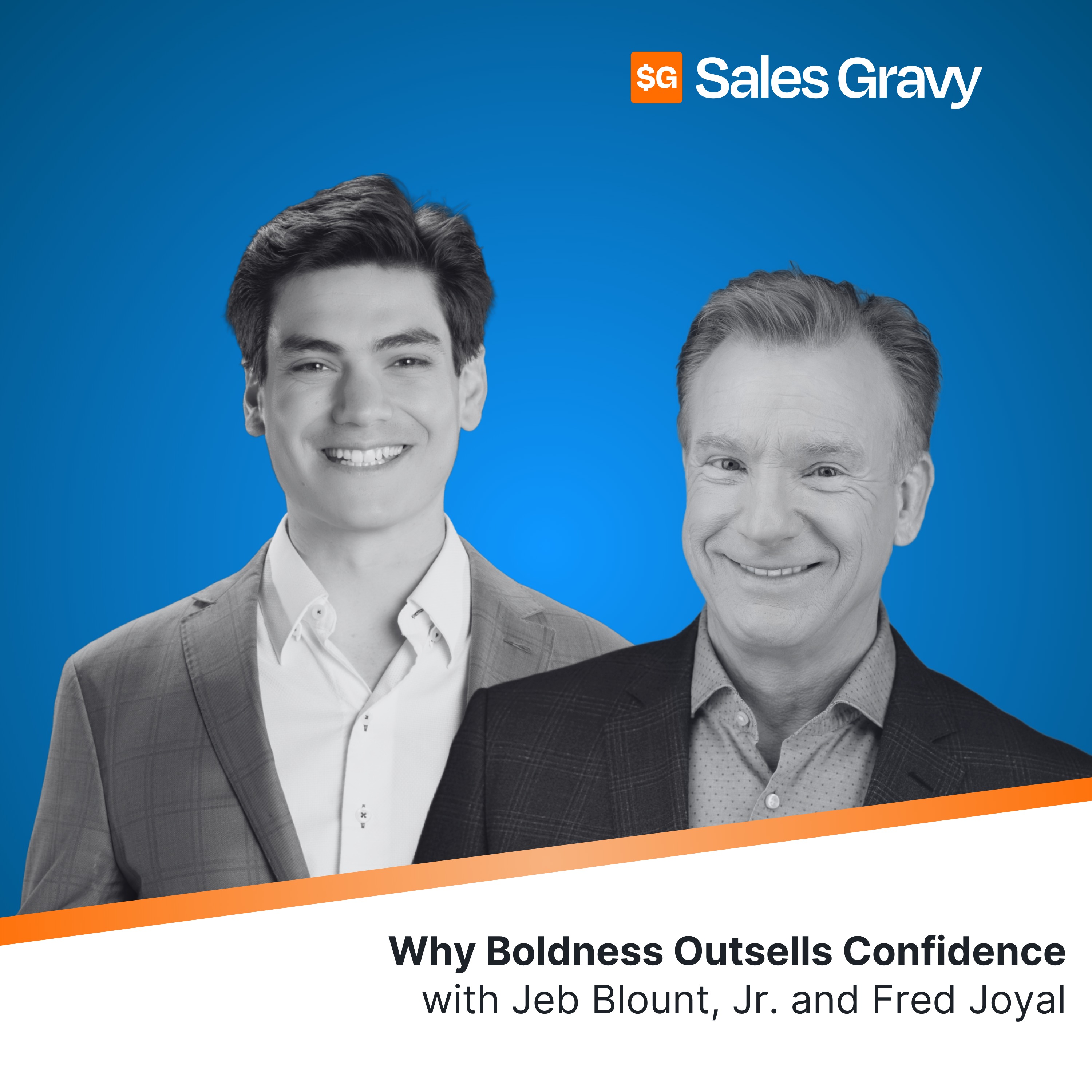
The old axiom 'people buy from people they like' is outdated. Fred Joyal argues that in a world of refined sales pitches, buyers respond to charisma. Charisma, defined as radiating comfort and belonging, builds a deeper level of trust and connection that mere likeability can't match.
Related Insights
True charisma isn't about showcasing your own brilliance. It's the ability to make the other person feel seen, heard, and brilliant themselves. This 'reverse charisma,' achieved by being genuinely interested and asking good questions, builds deeper connections than any performance.

Citing a story about Winston Churchill's mother, the most charismatic people aren't the most interesting themselves; they make others feel interesting. This "inverse charisma" encourages others to open up and feel valued, which is more powerful than simply holding court with impressive stories of your own.
People are drawn not to the most overtly impressive person, but to the one who makes them feel good about themselves. The most potent form of charm, as shown by British PM Disraeli, is making others feel clever and interesting in your presence.
In the services industry, high-quality work is merely table stakes. The primary differentiator is relationships, as clients ultimately choose to work with people they like and trust. Consequently, social skills and personal charm are not soft skills but crucial business assets for success.
Contrary to the "closer" stereotype, modern buyers value salespeople who are trustworthy, transparent, and understand their industry. Data shows charisma is the least valued trait, creating a disconnect with sales cultures that glorify the slick, charismatic persona.

Charisma is often less about being interesting and more about being interested. As demonstrated by Bill Clinton turning the focus to a photographer's assistant, making someone else the center of attention and showing genuine curiosity about their life is a profound way to connect.

Charisma, or 'aura,' isn't about impressing others. It's a state of inner peace and security where you feel no need to prove your worth. The opposite—insecurity—manifests as name-dropping, trying to force friendships, or flaunting wealth. Authentic charisma comes from being secure in who you are.

Contrary to sales stereotypes, modern buyers don't value charisma. LinkedIn data shows that qualities like trustworthiness, transparency, and industry knowledge are at the top of their list. This means pipeline generation requires substance, not slickness.
Highly charismatic people perfectly balance two traits: warmth (can I trust you?) and competence (can I rely on you?). An imbalance is the root of most interpersonal problems. Focusing only on competence appears cold, while focusing only on warmth appears friendly but not credible.

Sociologist Max Weber redefined charisma as an authority separate from institutions or tradition. It arises when followers perceive a leader as having superhuman qualities, offering a new path forward that seems impossible without them. This is distinct from mere charm or likability.
