Get your free personalized podcast brief
We scan new podcasts and send you the top 5 insights daily.
Social apps based entirely on AI content have not yet succeeded as standalone networks. Despite massive initial downloads, users export their creations to platforms like TikTok. The reason is that purely synthetic content lowers the 'emotional stakes,' making it less compelling than human-created media.

Related Insights
Generative AI tools like OpenAI's Sora face a huge hurdle in becoming content consumption platforms. Users inherently want to post their creations where the audience already exists (TikTok, Instagram, X), making it incredibly difficult for a new, single-tool platform to gain critical mass.

The backlash to Meta's AI video feed "Vibes" stemmed from its impersonal, generic content. This contrasts with ChatGPT's viral "Studio Ghibli" filter, which succeeded by letting users apply an AI aesthetic to their own photos. Successful consumer AI must empower self-expression, not just serve curated assets.
AI video tools like Sora optimize for high production value, but popular internet content often succeeds due to its message and authenticity, not its polish. The assumption that better visuals create better engagement is a risky product bet, as it iterates on an axis that users may not value.

Ben Thompson argues that ChatGPT succeeded because the creator was also the consumer, receiving immediate, personalized value. In contrast, AI video is created for an audience. He questions whether Sora's easily-made content is compelling enough for anyone other than the creator to watch, posing a major consumption hurdle.
Despite being a Reddit clone, the AI agent network Moltbook fails to replicate Reddit's niche, real-world discussions (e.g., cars, local communities). Instead, its content is almost exclusively self-referential, focusing on sci-fi-style reflections on being an AI, revealing a current limitation in agent-driven content generation.

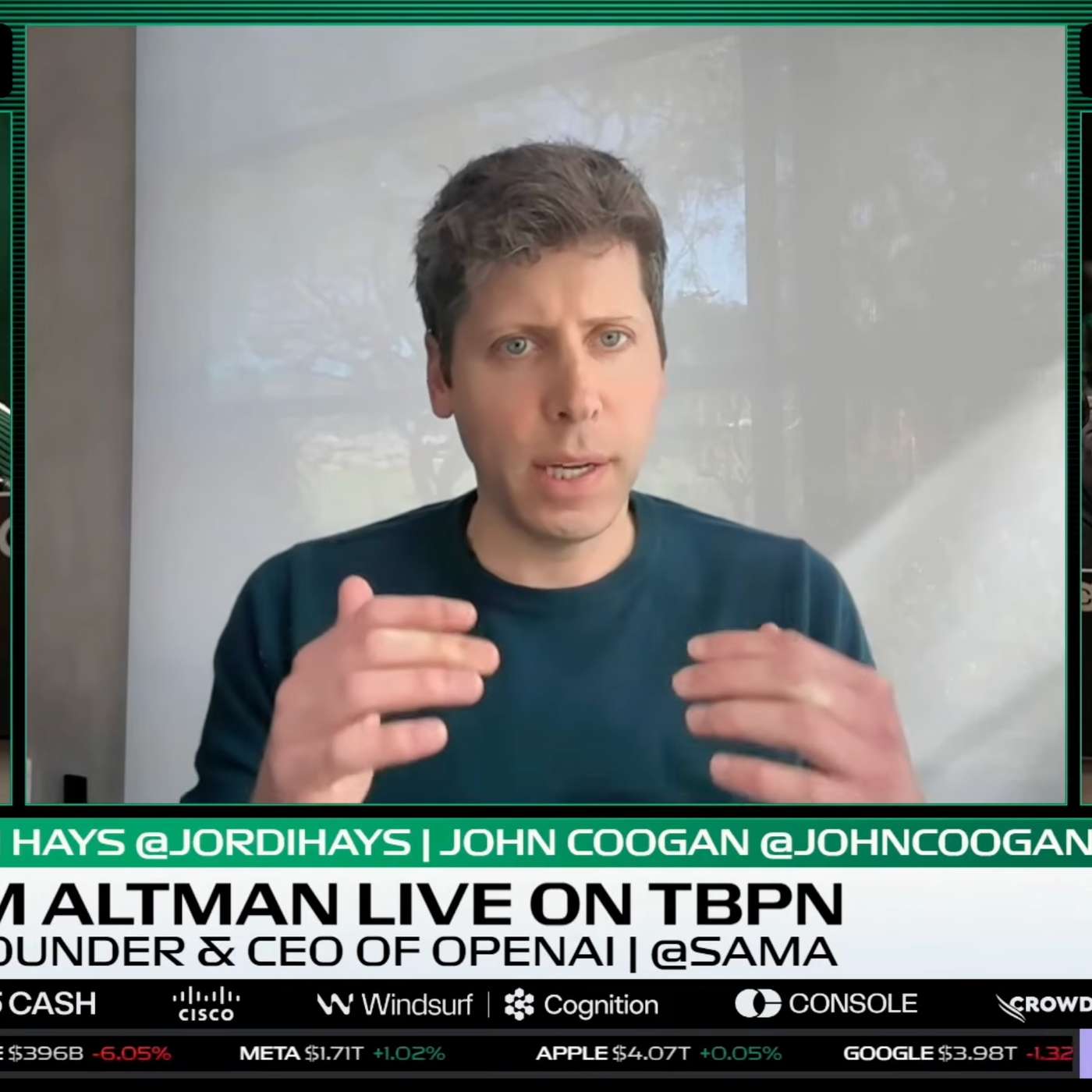
Sam Altman observes an asymmetry in AI-generated media: users love creating personalized content with tools like Sora, but show little interest in consuming AI content made by others. This creator-consumer gap is a key hurdle for generative AI as a mainstream entertainment medium.
As AI-generated 'slop' floods platforms and reduces their utility, a counter-movement is brewing. This creates a market opportunity for new social apps that can guarantee human-created and verified content, appealing to users fatigued by endless AI.

Platforms like Sora 2 struggle to retain users as social destinations. The core driver of social networks—the status game tied to authentic, personal representation—is lost when content is known to be AI-generated. These apps function as powerful creator tools for existing platforms, not as new social graphs.
Social media thrives on the psychological reward of posting for human validation. As AI bots become indistinguishable from real users, this feedback loop breaks, undermining the fundamental incentive to post and threatening the entire social media model which is predicated on authentic human receipt.

The novelty of AI-generated content wears off quickly. As audiences are exposed to more AI outputs (text, images, websites), they rapidly develop a sensitivity to its patterns and templates. What initially seems impressive and polished soon becomes recognizable as low-effort and cheap.