Get your free personalized podcast brief
We scan new podcasts and send you the top 5 insights daily.
Even before Hamilton's death, his supporters began a public relations campaign to frame him as a noble martyr and Burr as a celebratory villain. This swift narrative control was crucial in cementing their respective legacies, demonstrating the power of shaping a story in the immediate aftermath of an event.
Related Insights
Despite his brilliance, Alexander Hamilton was known for being sharp-tongued, impulsive, and convinced he was always right. This personality trait consistently turned potential allies into enemies and was a key factor in escalating his conflict with Aaron Burr.
Near the end of his life, Aaron Burr reflected that had he read more Laurence Sterne and less Voltaire, he would have realized "the world was wide enough for Hamilton and me." This poignant quote serves as a powerful lesson on gaining perspective and overcoming zero-sum thinking in personal and professional conflicts.
Despite his moral opposition to dueling and the immense personal risk, Alexander Hamilton accepted Aaron Burr's challenge because he believed refusing would damage his public standing. He felt he needed to maintain his reputation to be "useful" in future political crises facing the fragile republic.
The seconds for both Hamilton and Burr provided contradictory stories about the sequence of shots, making it impossible to definitively know what happened. This ambiguity highlights how historical narratives are constructed from biased perspectives, with each side shaping the story to favor their principal.
Unlike his contemporaries who adhered to strong ideologies, Aaron Burr was primarily driven by self-aggrandizement. This lack of fixed principles made him adaptable but also untrustworthy in the eyes of rivals like Hamilton, who viewed him as a threat to the republic.
Leaders create simplified, emotionally resonant narratives for public consumption that mask the messy, complex, and often ugly truths behind their actions. The real "why" is rarely present in the official story.

While initially serving as hagiographies, presidential museums can shift their tone after the president's death to include more critical exhibits. For example, Franklin Roosevelt's library now addresses his mistresses and controversial policies on Jewish refugees during WWII, suggesting these institutions can mature into more objective historical records.

Effective political propaganda isn't about outright lies; it's about controlling the frame of reference. By providing a simple, powerful lens through which to view a complex situation, leaders can dictate the terms of the debate and trap audiences within their desired narrative, limiting alternative interpretations.

Early in his career, Julius Caesar built his anti-establishment brand by prosecuting corrupt governors. While he often lost these high-profile cases, the publicity stunts successfully positioned him as a champion of justice and an opponent of the entrenched oligarchy, winning him crucial popular support.

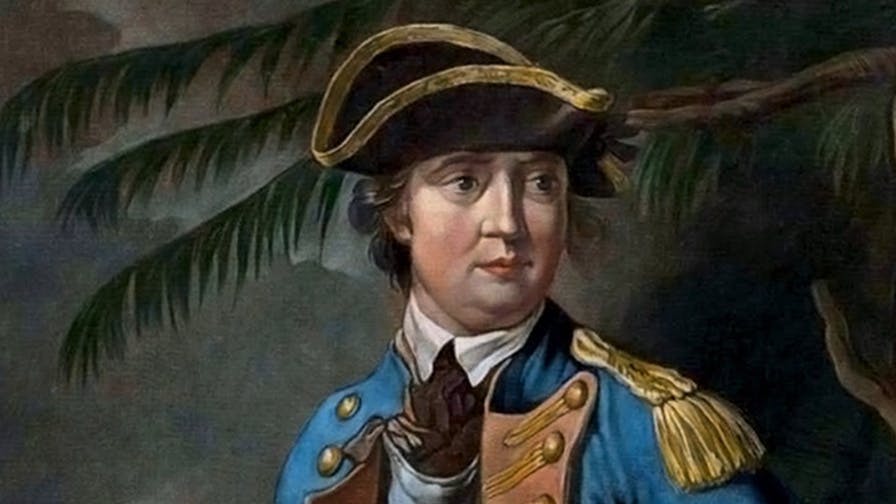
The American Revolution was itself an act of treason against Britain. Benedict Arnold's defection created a singular, despised traitor, allowing the American people to unite against an internal enemy and solidifying their identity beyond simply being rebels against the crown.