Get your free personalized podcast brief
We scan new podcasts and send you the top 5 insights daily.
The Tim Ferriss Show was born from frustration. After distribution for his book was blocked by retailers and his TV show was shelved by new management, he turned to podcasting via RSS for complete creative and distribution control, ensuring his work could not be locked up again.

Related Insights
Content creation doesn't have to be purely about serving an audience. It can be a "selfish project" where the creator uses the platform to explore their own challenges and interests. This authentic, personal journey often resonates deeply with an audience who shares similar struggles, making it a sustainable and fulfilling model.

Scott Galloway focuses on his own podcasts, where he controls the IP, to create a sellable asset. This is a higher priority than the larger revenue and reach from his shared-IP podcast, Pivot, where building enterprise value is difficult due to shared ownership.

Tim Ferriss chose not to launch a supplement line with "The 4-Hour Body," a move that cost him millions short-term. This sacrifice preserved his credibility as an unbiased source, protecting his audience's trust, which he views as his most valuable long-term asset.
When his book *The Four Hour Chef* underperformed due to a retail boycott, the resulting burnout led Tim Ferriss to experiment with a new channel: podcasting. This pivot, born from perceived failure, ultimately became the cornerstone of his media empire, far surpassing the original project's potential.
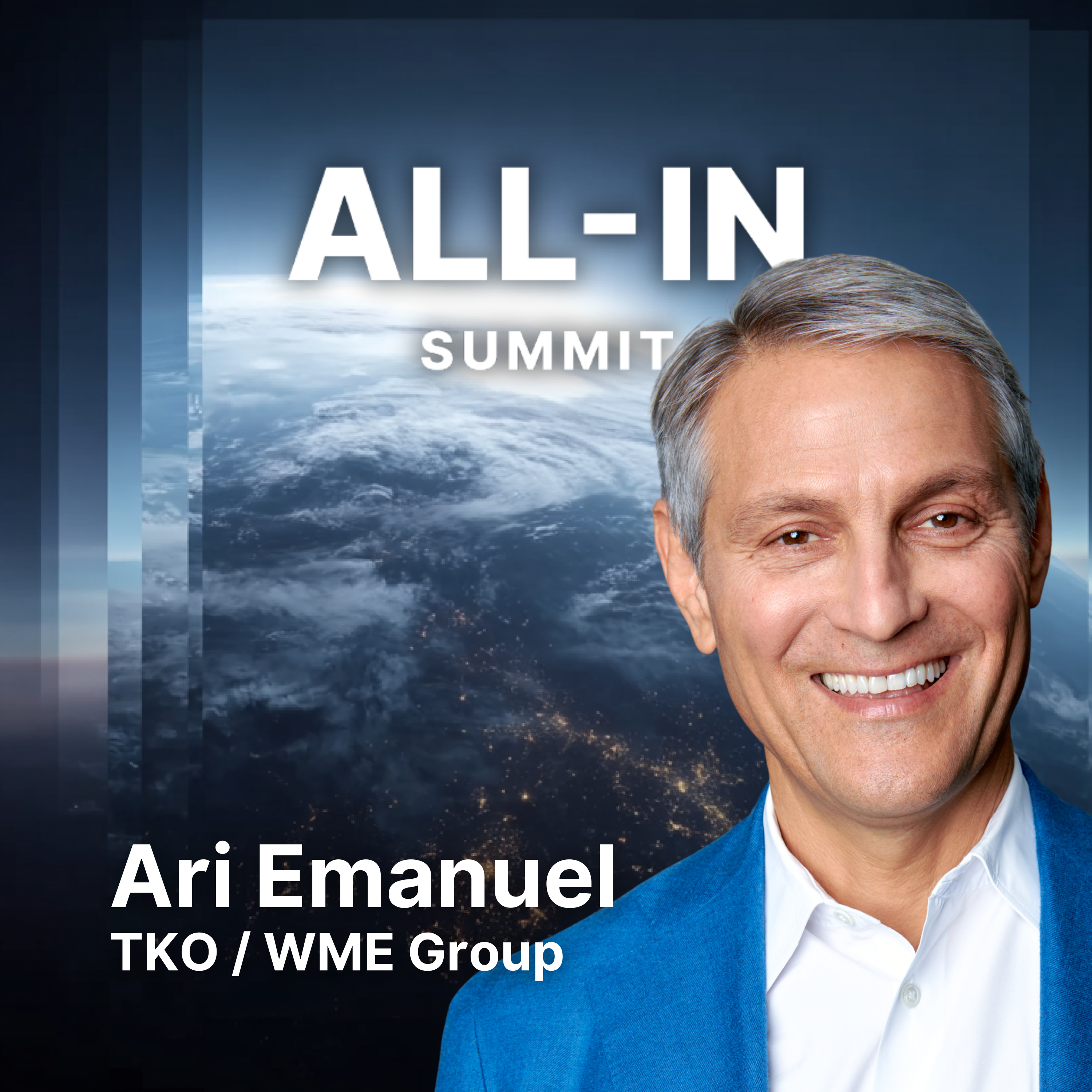
Ari Emanuel views the podcasting ecosystem as the next wave of syndication. Just as Oprah used her broadcast platform to launch other stars like Dr. Phil, today's top podcasters can build media networks by developing and launching new talent. This transforms a single successful show into a scalable, multi-channel business.
A podcast isn't just content; it's a tool for building parasocial relationships. This creates a "tuning fork" effect, attracting high-caliber listeners and guests who feel they already know you, leading to valuable real-world connections and opportunities.
Though often perceived as a low-status medium, podcasting provides unparalleled access to the world's most influential people. They participate because they benefit from your work, creating genuine relationships and opportunities that are inaccessible even to founders with significant venture capital backing.
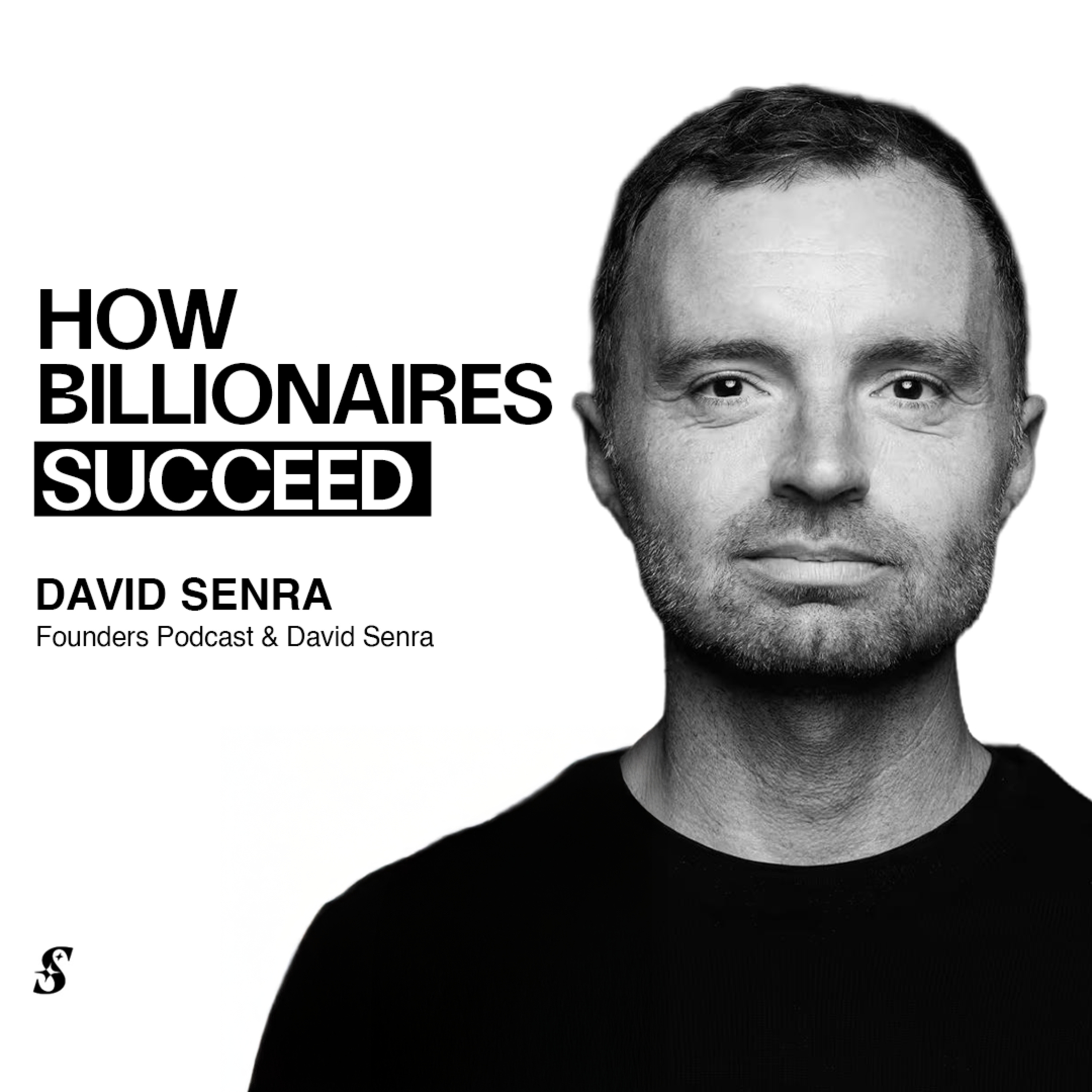
Gladwell views his podcast not just as a content platform but as the primary engine that kept him relevant and prevented the career decline common for journalists in their 50s and 60s. It served as a tool for reinvention, ensuring he didn't 'vanish' professionally.

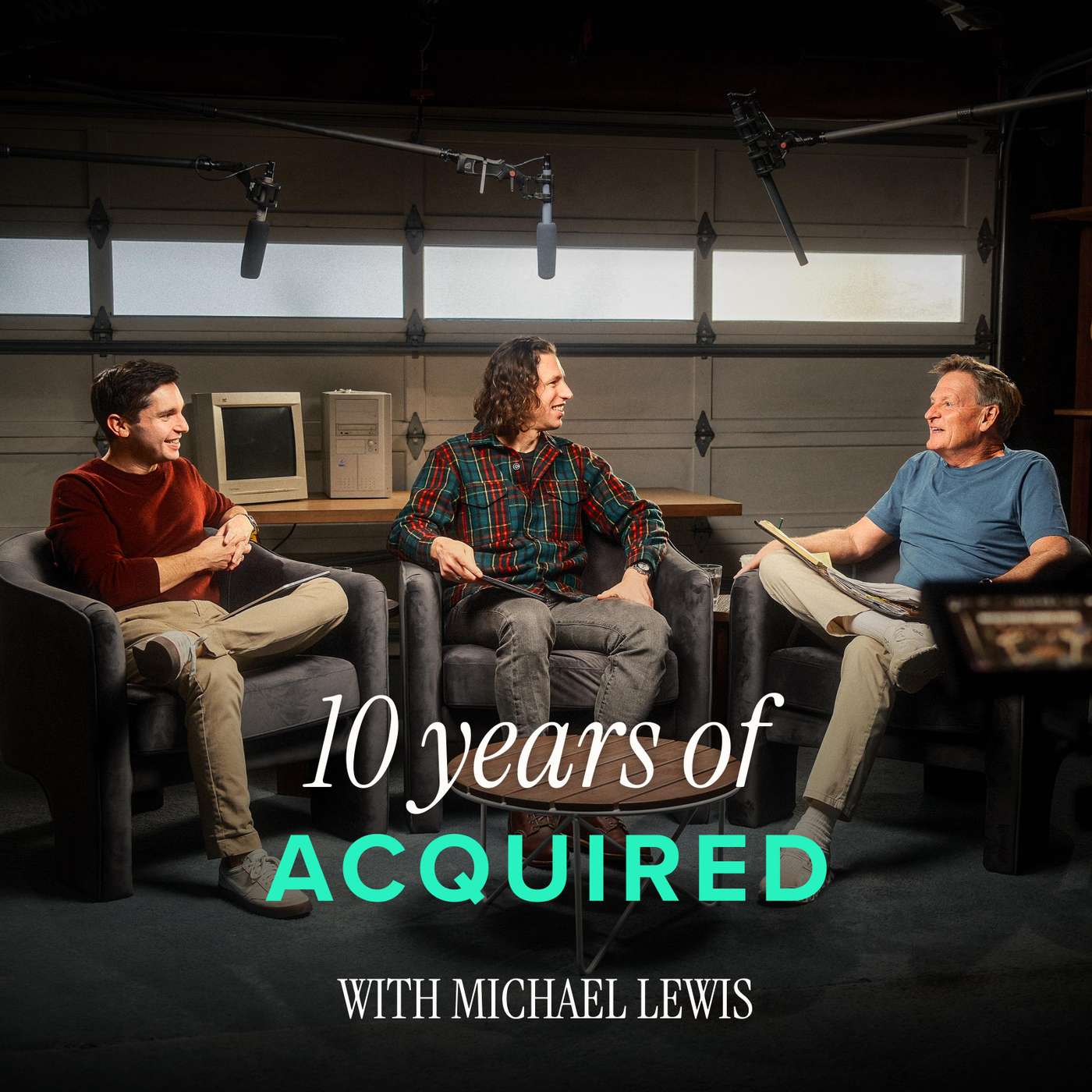
Author Michael Lewis notes his books feel like new startups, while Acquired's podcast format builds a compounding audience. When they release a new "book" (episode), it's automatically delivered to their entire subscriber base, creating a powerful growth flywheel that traditional media lacks.
A single podcast episode serves as a content hub that can be repurposed into social posts, newsletters, and videos. This "compound content return" builds a lasting asset, freeing you from the daily content treadmill required by social media.
