Get your free personalized podcast brief
We scan new podcasts and send you the top 5 insights daily.
The roofing industry directly profits from severe weather like hailstorms and hurricanes that damage homes. CEO Brad Jacobs notes the strange psychological position of feeling empathy for affected homeowners while simultaneously recognizing that these events are a primary driver of revenue and demand for his business.

Related Insights
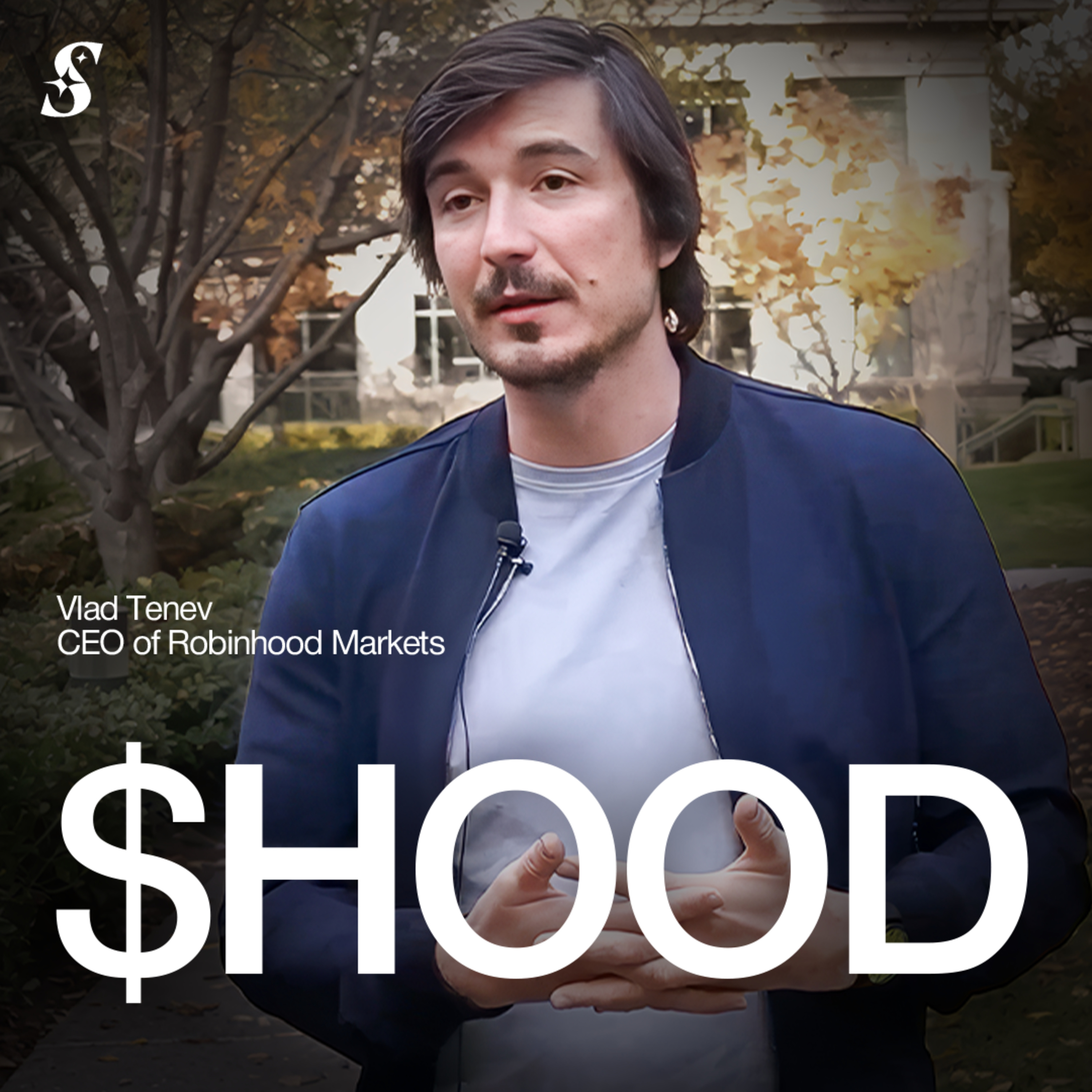
CEO Vlad Tenev views prediction markets as a tool to disrupt massive industries like insurance. He highlights using weather markets to hedge against fire or hurricane risk, creating bespoke, competitive financial products that bypass the cumbersome, expensive traditional insurance brokerage process.
People feel better after buying insurance not just because of financial protection, but because it transforms anxiety-inducing uncertainty (not knowing what might happen) into manageable risk (assigning probabilities to known outcomes). This shift alleviates misery.

The primary source of CEO stress isn't the volume of work, but the emotional weight of being responsible for the livelihoods and faith of employees, investors, and customers. This constant pressure is the hardest part of the job.

The recent surge in demand for chimney sweeps, driven by high and unpredictable natural gas prices, shows that macroeconomic instability can create new markets for old solutions. As consumers seek cheaper, more reliable alternatives to modern systems, legacy industries can experience a renaissance.

Maximizing profits in a crisis, such as a hardware store hiking shovel prices during a blizzard, ignores the powerful economic force of fairness. While rational by traditional models, such actions cause public outrage that can inflict far more long-term brand damage than the short-term profits are worth.

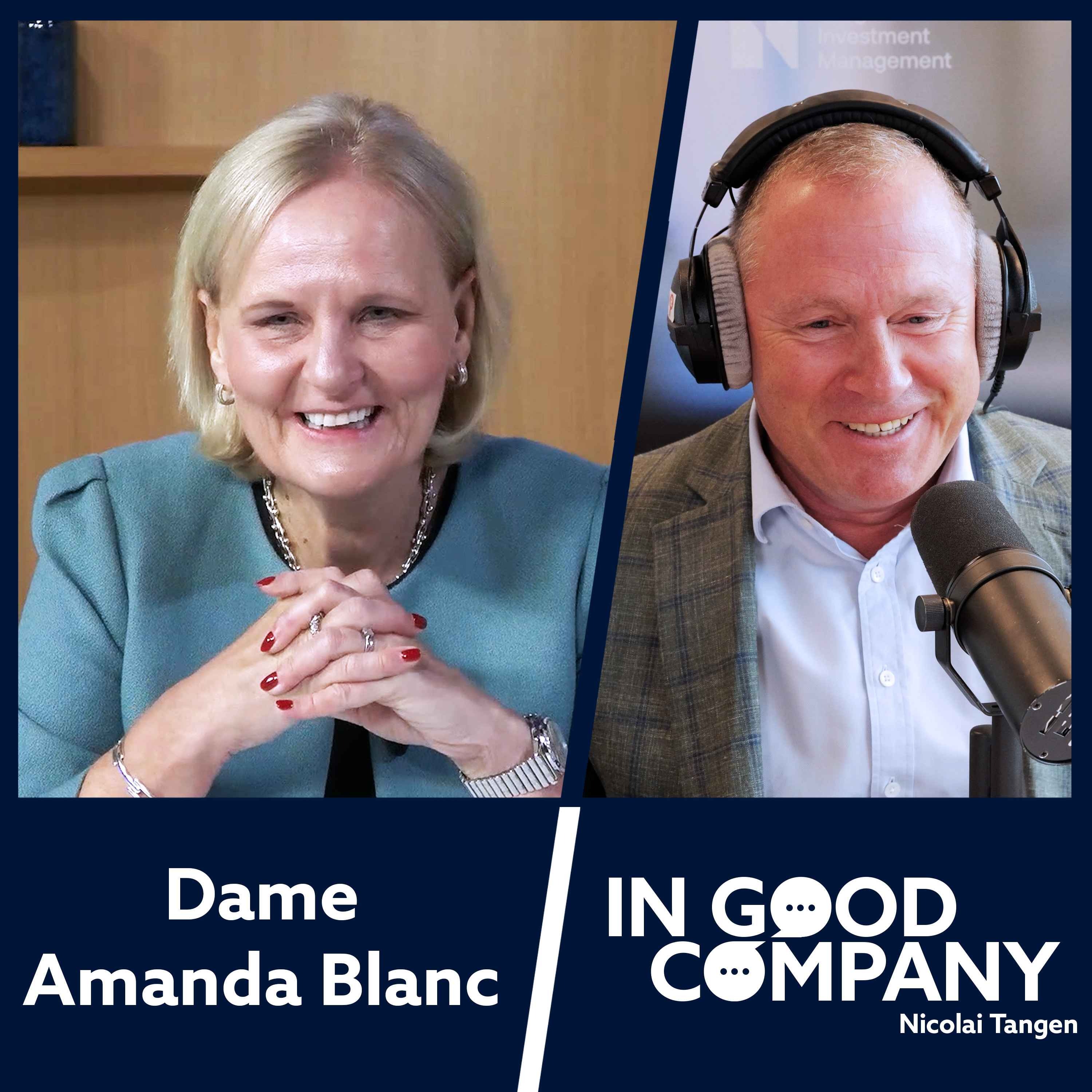
Insurers like Aviva are finding it increasingly difficult to price risk for predictable climate-related catastrophes, such as houses repeatedly built on known floodplains. The near-inevitability of these events makes them uninsurable, prompting the creation of hybrid government-backed schemes where the private market can no longer operate.
Wall Street relies on delayed insurance reports to gauge hail storm damage. A faster, real-time proxy is Google Trends data for searches like 'roof repair.' A spike in search volume indicates a highly damaging season, predicting strong earnings for roofing companies before the market realizes it.

Beyond speculation, Robinhood frames prediction markets as a precise hedging tool for real-world risks. A consumer could use a weather contract to financially protect their home from a hurricane, for example, bypassing the high cost and complexity of traditional insurance policies.

The homebuilding business model has a counter-intuitive cash flow profile. During a downturn, cash flow turns positive as companies halt land acquisition and reduce construction spending. This frees up working capital and strengthens the balance sheet when it's most needed for survival.

Swiss Re's CEO argues that risks like California wildfires are not inherently uninsurable. Instead, without loss prevention, the cost of insurance becomes unaffordable. The solution lies in shifting focus from mere risk transfer to proactive risk ownership and mitigation by property owners.
