Get your free personalized podcast brief
We scan new podcasts and send you the top 5 insights daily.
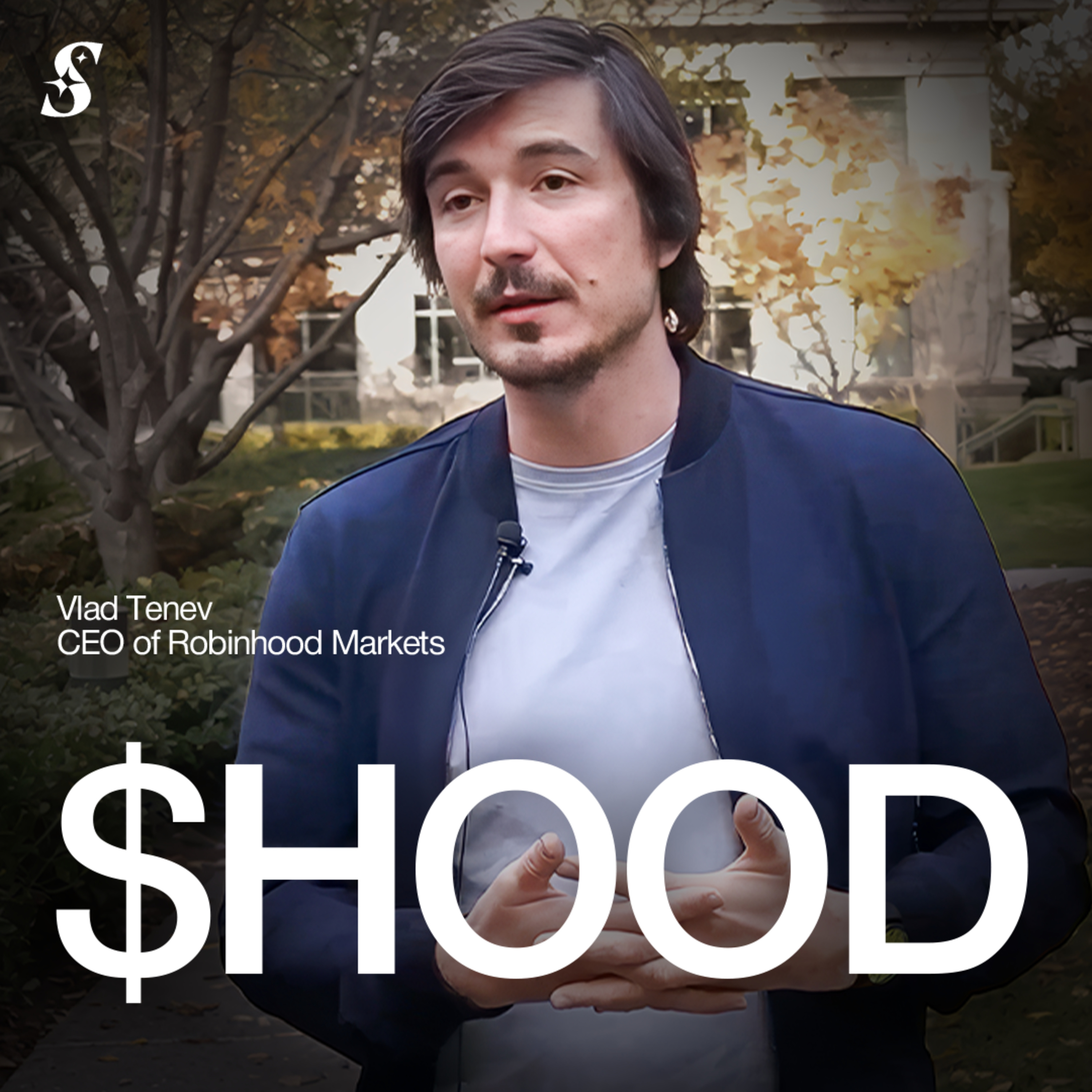
CEO Vlad Tenev views prediction markets as a tool to disrupt massive industries like insurance. He highlights using weather markets to hedge against fire or hurricane risk, creating bespoke, competitive financial products that bypass the cumbersome, expensive traditional insurance brokerage process.
Related Insights
Prediction markets are not just for betting. They are becoming a valuable source of predictive data for enterprises, as shown by new partnerships with media giants like CNN and CNBC. This dual-purpose model, functioning as both a consumer product and a B2B data service, creates two distinct revenue streams.

New platforms frame betting on future events as sophisticated 'trading,' akin to stock markets. This rebranding as 'prediction markets' helps them bypass traditional gambling regulations and attract users who might otherwise shun betting, positioning it as an intellectual or financial activity rather than a game of chance.

Speculation is often maligned as mere gambling, but it is a critical component for price discovery, liquidity, and risk transfer in any healthy financial market. Without speculators, markets would be inefficient. Prediction markets are an explicit tool to harness this power for accurate forecasting.

Though functionally similar to users, prediction markets and sports betting operate under different regulatory frameworks. Prediction markets are lightly regulated by the federal government, while sports betting is heavily regulated state-by-state. This distinction allows prediction markets to legally operate in jurisdictions where sports betting is banned, fueling rapid growth.
Robinhood CEO Vlad Tenev revealed prediction markets were a distant "2026 plan" until a Supreme Court decision legalized presidential betting. This single regulatory catalyst prompted Robinhood to rush the product to market, where it became a massive success, showing how external events can dramatically accelerate product adoption.

While often promoted as tools for information discovery, the primary business opportunity for prediction markets is cannibalizing the massive sports betting industry. The high-volume, high-engagement nature of sports gambling is the engine to acquire customers and professional market makers, with other "informational" markets being a secondary concern.

Polymarket's major backing from the NYSE's parent company validates the trend of turning all information and events into liquid, tokenized markets. This "financialization of everything" will disrupt established industries, from sports betting to traditional finance, by offering more efficient, decentralized alternatives.

Prediction markets have existed for decades. Their recent popularity surge isn't due to a technological breakthrough but to success in legalizing them. The primary obstacle was always legal prohibition, not a lack of product-market fit or superior technology.

Prediction markets are accelerating their normalization by integrating directly into established ecosystems. Partnerships with Google, Robinhood, and the NYSE's owner embed gambling-like activities into everyday financial and informational tools, lowering barriers to entry and lending them legitimacy.
Beyond speculation, Robinhood frames prediction markets as a precise hedging tool for real-world risks. A consumer could use a weather contract to financially protect their home from a hurricane, for example, bypassing the high cost and complexity of traditional insurance policies.
