Get your free personalized podcast brief
We scan new podcasts and send you the top 5 insights daily.
An insider confirmed Google had a chatbot equivalent to ChatGPT a year before its release. The project was killed because the company was "too nervous to release it" and DeepMind was actively "blocked from shipping products that could disrupt Google." This reveals a classic case of an incumbent's innovator's dilemma, where fear of cannibalizing the core business paralyzed innovation.

Related Insights
Big tech (Google, Microsoft) has the data and models for a perfect AI agent but lacks the risk tolerance to build one. Conversely, startups are agile but struggle with the data access and compliance hurdles needed to integrate with user ecosystems, creating a market impasse for mainstream adoption.

Google initially withheld its chatbot prototypes, fearing reputational damage from AI hallucinations. The viral success of ChatGPT demonstrated that the public was surprisingly willing to engage with imperfect AI. This shifted Google's risk calculus, forcing them to release their own models faster than planned.

Google has caught up in AI technology, but its biggest hurdle is strategic. Integrating generative AI threatens its core search advertising model, which accounts for 80% of revenue. This creates an innovator's dilemma where they must carefully disrupt themselves without destroying their cash cow.

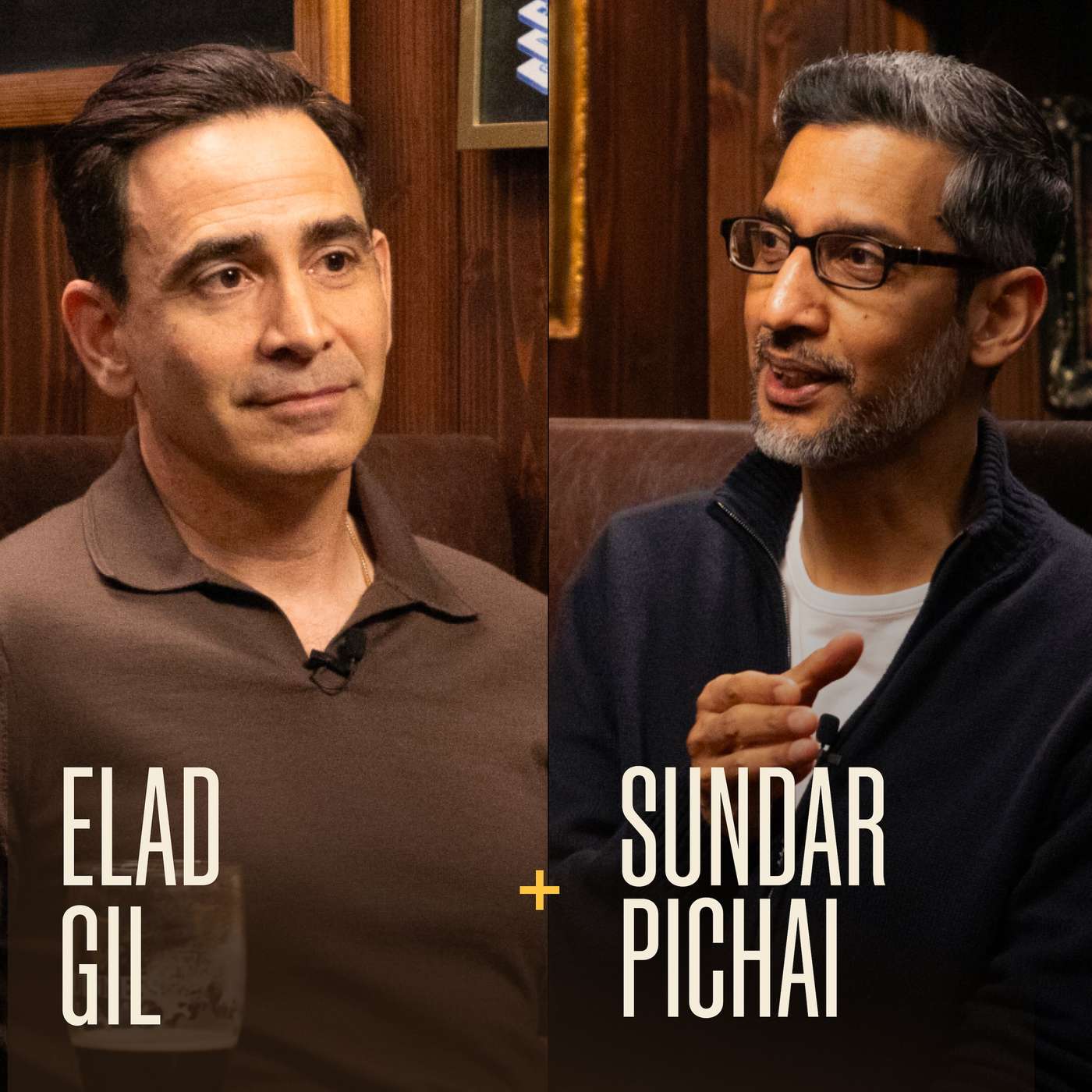
Sundar Pichai explains Google didn't productize Transformers into a chatbot first, not due to a research fumble, but because they immediately saw huge ROI applying it to Search. They also held back an internal version (LaMDA) due to a higher bar for safety and product quality.
Google could surpass ChatGPT in usage overnight by replacing its traditional search interface with Gemini. However, its reluctance to do so stems from a fear of cannibalizing its core, highly profitable search ad business, creating an opening for competitors despite its superior distribution.

Google initially feared AI chatbots would cannibalize its search ad model. It has since realized its business is monetizing user attention. Because AI captures more attention than traditional search, it represents a growth opportunity, resolving the company's strategic dilemma.

Google is falling behind in the AI race not just due to technical challenges, but organizational dysfunction. Internal teams like Cloud, DeepMind, and Android are building competing AI coding tools, while some engineers' cultural resistance to AI-written code creates a slow, fragmented development process.
Google is in the 'crawl' phase of implementing agentic AI in its main products. This is a deliberate strategic choice, not a technical limitation. The company feels a stewardship responsibility to its massive user base, prioritizing gradual adoption and user comfort over deploying its most advanced capabilities.

Initially, AI chatbots were seen as a threat to Google's search dominance. Instead, Google leveraged its existing ecosystem (Chrome, Android) and distribution power to make its AI, Gemini, the default on major platforms, turning a potential disruptor into another layer of its fortress.
As the market leader, OpenAI has become risk-averse to avoid media backlash. This has “damaged the product,” making it overly cautious and less useful. Meanwhile, challengers like Google have adopted a risk-taking posture, allowing them to innovate faster. This shows how a defensive mindset can cede ground to hungrier competitors.
