Get your free personalized podcast brief
We scan new podcasts and send you the top 5 insights daily.
Ex-Palantir lead Alex Boris clarifies the company's 'unsexy' function. Its key is building an 'ontology'—a high-level view defining what each data piece means. This allowed the DOJ to treat a single loan as a trackable object, spotting fraud by seeing it reappear across different mortgage-backed securities.

Related Insights
Unlike typical software companies that build addictive products or simply fulfill requests, Palantir's approach is to anticipate and build what its partners *ought* to want in the future. This radical, value-driven strategy builds deep trust and creates an indispensable long-term position with the client.

Instead of building AI models, a company can create immense value by being 'AI adjacent'. The strategy is to focus on enabling good AI by solving the foundational 'garbage in, garbage out' problem. Providing high-quality, complete, and well-understood data is a critical and defensible niche in the AI value chain.

A major hurdle for enterprise AI is messy, siloed data. A synergistic solution is emerging where AI software agents are used for the data engineering tasks of cleansing, normalization, and linking. This creates a powerful feedback loop where AI helps prepare the very data it needs to function effectively.

Palantir's product strategy is "more artistic than science." Instead of reacting to current market demands, the company builds solutions that tap into deep, misunderstood societal trends, much like an artist captures the future zeitgeist. This approach means creating products years before their relevance becomes obvious.
Frontline individuals like soldiers and retail investors have a clearer understanding of value because they see data in an unfiltered way. This contrasts with "expert" classes like analysts and journalists, who are insulated from reality and have consistently been wrong about substantive trends for the last 20 years.
To enable AI tools like Cursor to write accurate SQL queries with minimal prompting, data teams must build a "semantic layer." This file, often a structured JSON, acts as a translation layer defining business logic, tables, and metrics, dramatically improving the AI's zero-shot query generation ability.

When approached by large labs for licensing deals, GI's founder advises against simply selling the data. He argues the only way to accurately value a unique dataset is to model it yourself to understand its true capabilities. Without this, founders risk massively undervaluing their core asset, as its potential is unknown.

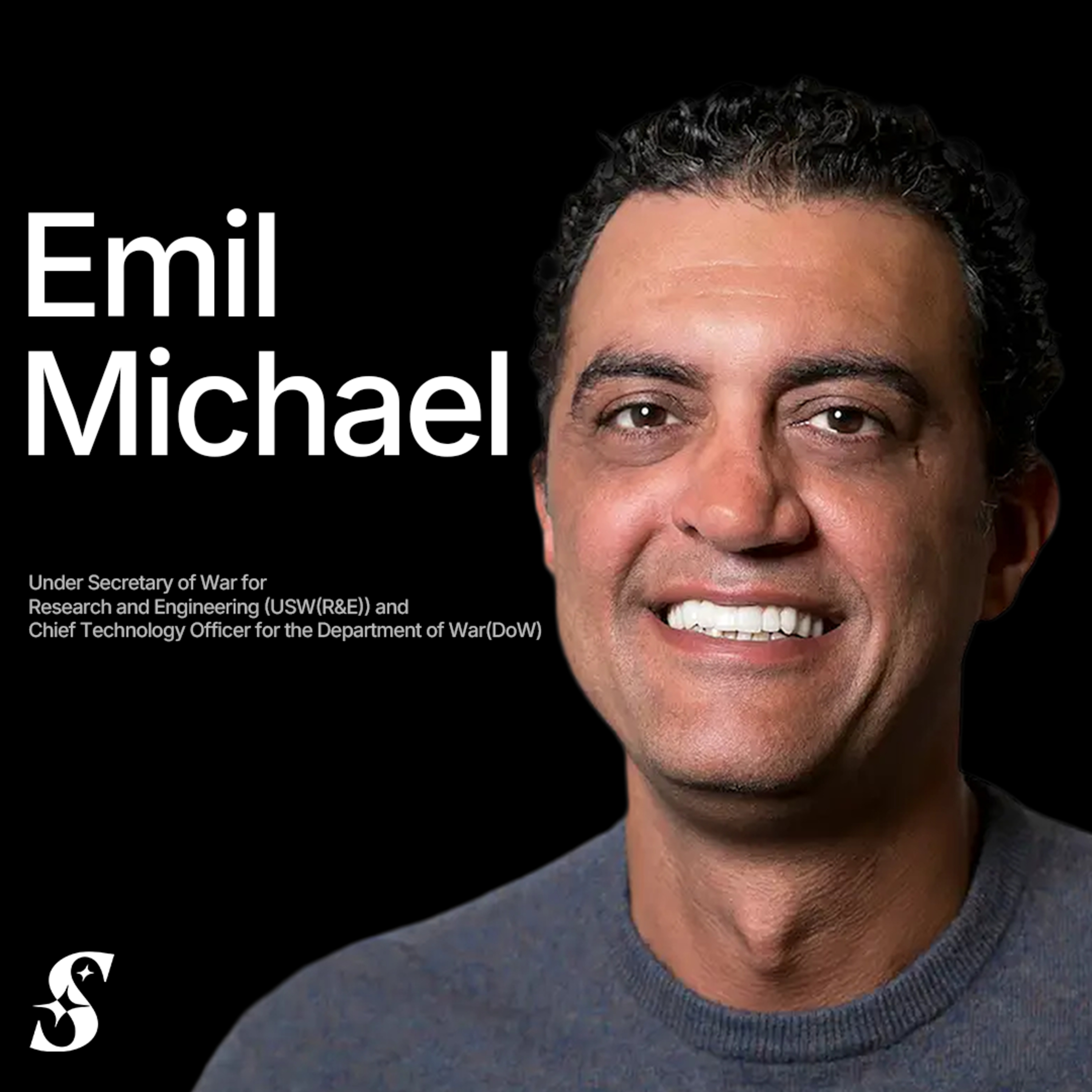
Contrary to its controversial public image, the Under Secretary of War asserts that Palantir's primary value to the government is solving mundane, critical logistics problems. The software helps track assets like tanks and munitions—a basic inventory management function essential for a massive bureaucracy.
Unlike simple "Ctrl+F" searches, modern language models analyze and attribute semantic meaning to legal phrases. This allows platforms to track a single legal concept (like a "J.Crew blocker") even when it's phrased a thousand different ways across complex documents, enabling true market-wide quantification for the first time.
The ultimate value of AI will be its ability to act as a long-term corporate memory. By feeding it historical data—ICPs, past experiments, key decisions, and customer feedback—companies can create a queryable "brain" that dramatically accelerates onboarding and institutional knowledge transfer.
