Get your free personalized podcast brief
We scan new podcasts and send you the top 5 insights daily.
Countries view in-country AI infrastructure as a strategic national asset, like oil reserves. This demand for data sovereignty creates massive opportunities for nimble NeoCloud providers, who can establish local data centers and partnerships faster than the giant hyperscalers can.

Related Insights
A new category of "NeoCloud" or "AI-native cloud" is rising, focusing specifically on AI training and inference. Unlike general-purpose clouds like AWS, these platforms are GPU-first, catering to massive AI workloads and addressing the GPU scarcity and different workload patterns found in hyperscalers.
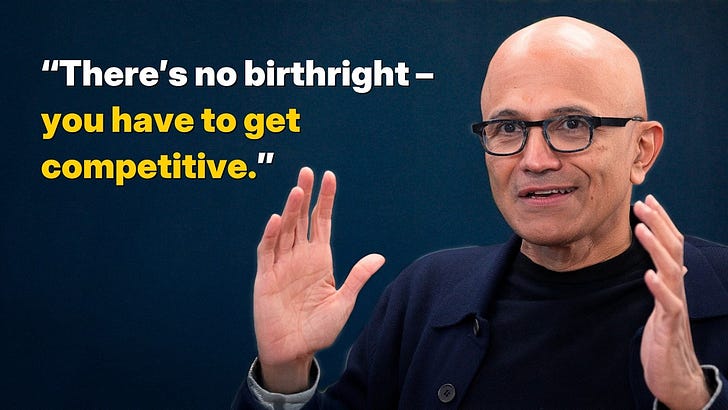
As countries from Europe to India demand sovereign control over AI, Microsoft leverages its decades of experience with local regulation and data centers. It builds sovereign clouds and offers services that give nations control, turning a potential geopolitical challenge into a competitive advantage.
Nations are moving beyond the rhetoric of 'sovereign AI.' It now represents a concrete strategy to secure bargaining power across the AI stack through diverse means like domestic substitution (China), regulation (Europe), and infrastructure hosting (Gulf states).
Specialized AI clouds (NeoClouds) like CoreWeave emerged because hyperscalers' strengths—such as custom networking and security for multi-tenancy—were detrimental to the performance of large-scale, single-tenant AI workloads. This performance gap created a significant market opening.

Prime Intellect's CEO notes a rising demand for 'sovereign AI stacks.' This applies not just to nations seeking geopolitical independence but also to large enterprises wanting end-to-end control over their AI infrastructure to build compounding data moats and self-improving agents.

The push for sovereign AI clouds extends beyond data privacy. The core geopolitical driver is a fear of becoming a "net importer of intelligence." Nations view domestic AI production as critical infrastructure, akin to energy or water, to avoid dependency on the US or China, similar to how the Middle East controls oil.

To protect proprietary data and intellectual property, nations and large corporations are increasingly training their own "national models" from scratch. This move away from reliance on global, US-based models creates a significant market for on-prem and private cloud infrastructure that ensures data privacy and security.
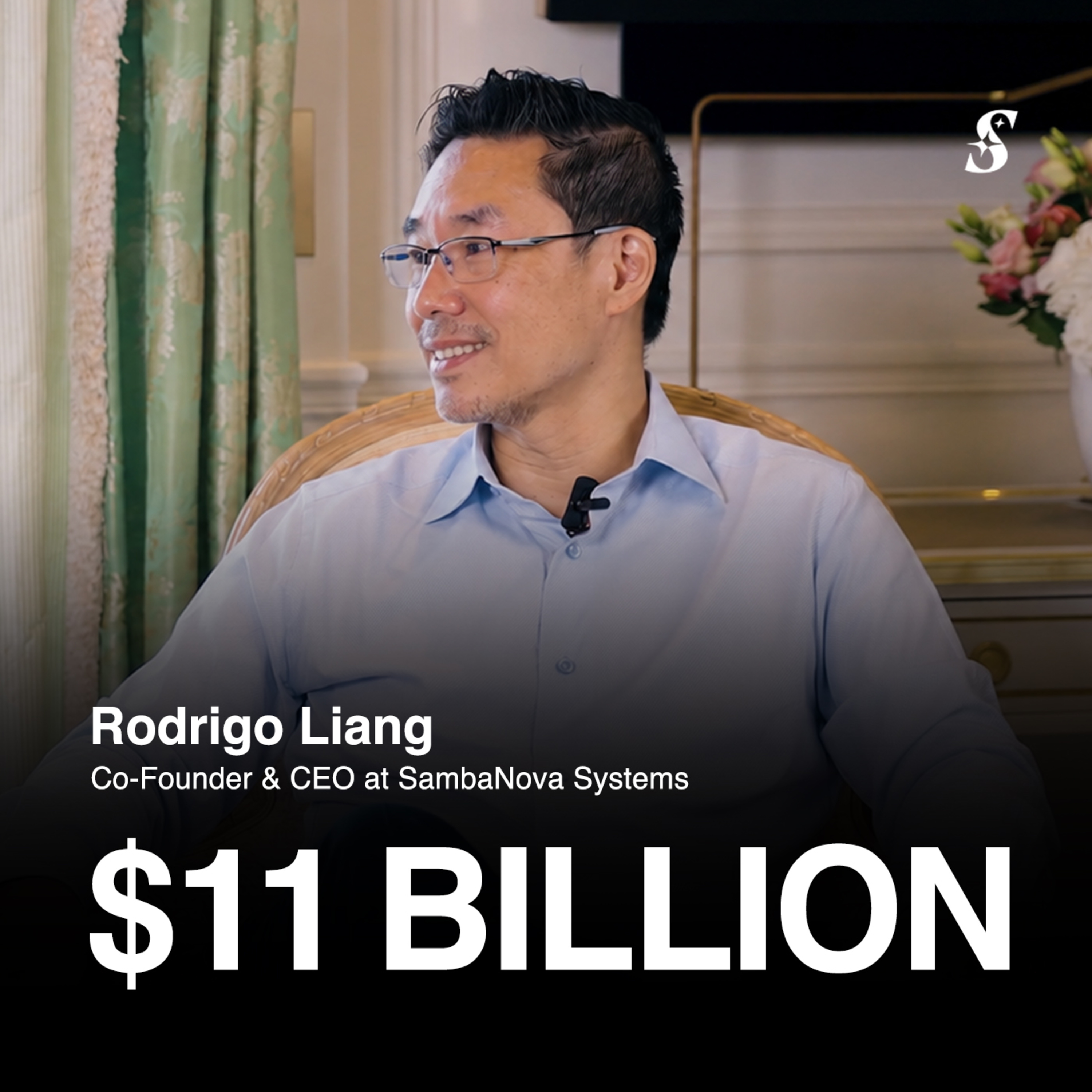
The pursuit of 'Sovereign AI' transforms AI infrastructure into a strategic national asset. Governments are increasingly intervening to decide where AI infrastructure is built, how it's financed, and which countries get access, mirroring national policies for critical resources like energy and transportation.

The enormous scale of Meta's deal with specialized data center operator Nebius proves that "NeoClouds" are now critical infrastructure players. They are successfully competing with hyperscalers by offering specialized services and, crucially, available capacity, making them essential partners for AI giants.

Dependence on a third-party AI provider is like relying on another country for electricity—the risk of being cut off is too high. This will drive both nations and large enterprises to develop their own sovereign AI capabilities to ensure independence and security.
