Get your free personalized podcast brief
We scan new podcasts and send you the top 5 insights daily.
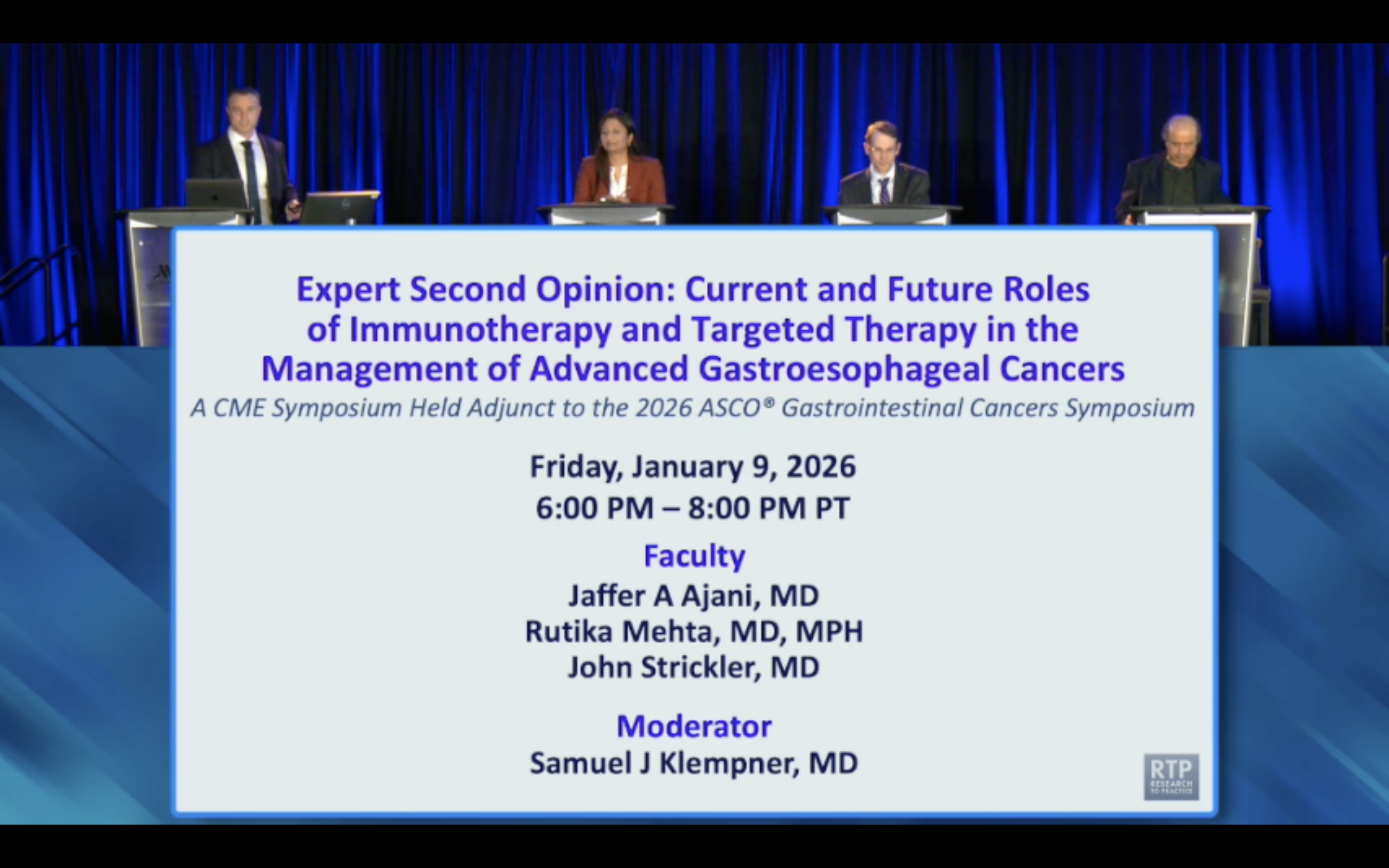
For metastatic biliary tract cancer patients with short life expectancies, oncologists are more willing to use HER2-targeted therapies despite potential cardiac dysfunction. The risk of long-term cardiotoxicity is secondary to the immediate need for an effective cancer treatment in a palliative setting.

Related Insights
When treating refractory kidney cancer, clinicians prioritize regimens offering the most durable initial response. They argue against “saving” effective drugs for later, as disease progression is traumatic for patients and many never successfully receive subsequent lines of therapy. The goal is long-term disease control now, not preserving theoretical future options.

While Trastuzumab deruxtecan (TDXD) is effective in HER2-low breast cancer, there is no evidence that it benefits patients with HER2-low or HER2-intermediate (IHC 2+/FISH negative) gastric cancer. Its use should be strictly limited to truly HER2-positive cases in this disease.

For HER2+ biliary tract cancer patients with hyperbilirubinemia where stenting isn't possible, zanidatumab is a preferable option over TDXD. Zanidatumab lacks significant hepatotoxicity, whereas TDXD's irinotecan-like payload poses a risk in patients with moderate hepatic impairment.
A critical gap exists in cancer care where cardiovascular risk factors are often ignored. As cancer treatments improve survival, patients are increasingly dying from preventable heart attacks and strokes, necessitating the specialized field of cardio-oncology.

For frail elderly patients with HER2+ gastric cancer, starting with targeted therapy and immunotherapy alone can gauge response and tolerance. Cytotoxic chemotherapy can be added later if the patient's performance status improves, distinguishing disease-related frailty from baseline comorbidities.
The 'safety first' mandate in drug development is flexible. For cancers like leukemia with high cure rates, highly aggressive therapies with severe side effects are deemed acceptable. The risk-benefit calculation shifts dramatically when a cure, not just management, is the goal.
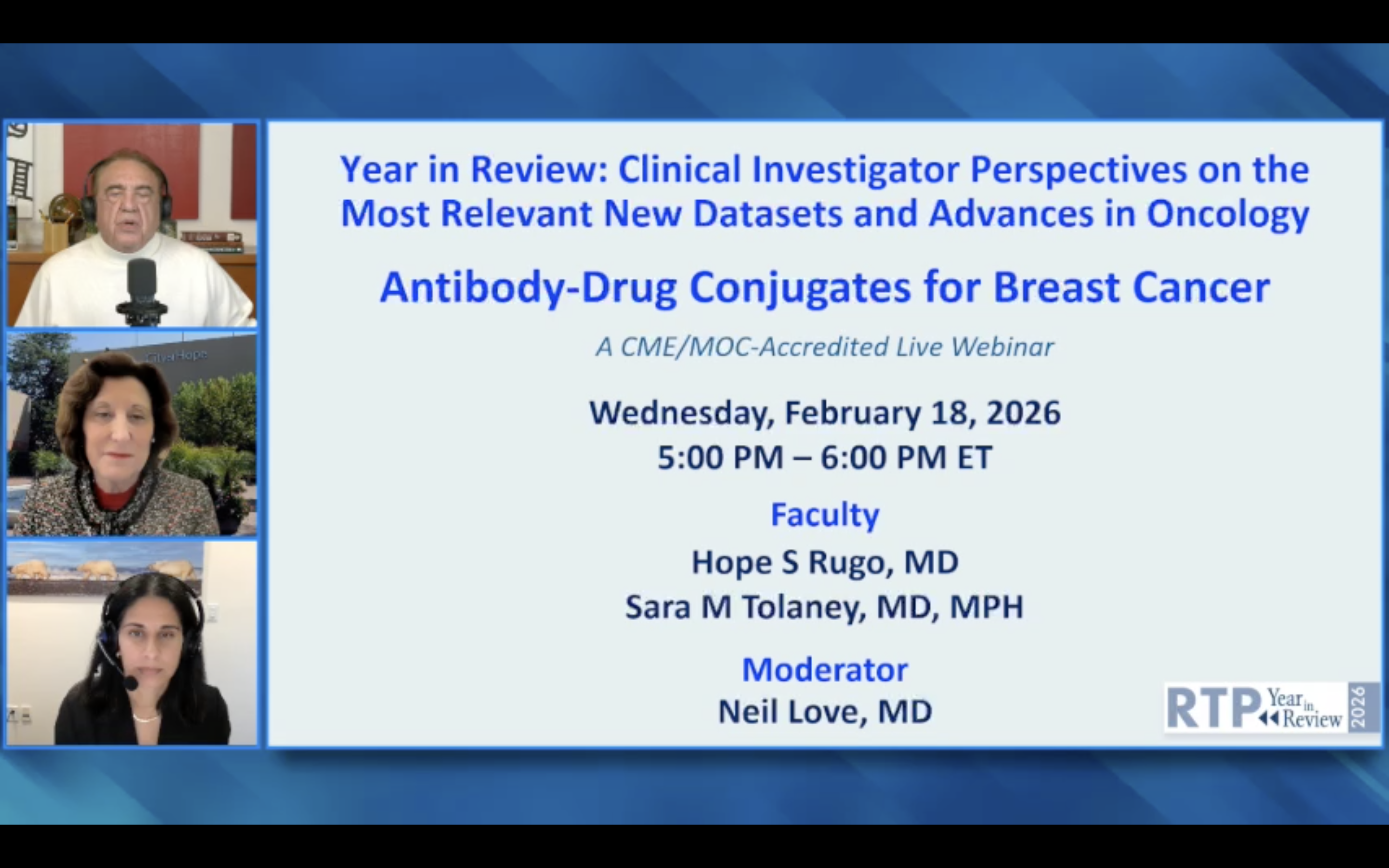
To mitigate long-term toxicity from TDXD, oncologists are proposing an "induction/maintenance" approach. Patients receive TDXD for an initial period to achieve maximal response, then switch to a less toxic maintenance regimen for a "chemotherapy holiday," improving quality of life.
As survival times for metastatic gastric cancer patients extend, managing long-term toxicity is paramount. Clinicians typically administer only 6-8 cycles of oxaliplatin to prevent severe, cumulative peripheral neuropathy, allowing for longer, better-tolerated maintenance therapy with biologics.
Clinicians advise against continuing targeted agents like zolbituximab or trastuzumab after disease progression in gastroesophageal cancer. The biological heterogeneity of this cancer type means that if a targeted therapy isn't working, it's unlikely to provide benefit with a different chemotherapy backbone.
In the rare case of a biliary tract cancer with both HER2 positivity and an FGFR2 fusion, clinicians should likely prioritize an FGFR inhibitor. FGFR2 fusions are considered more homogenous and potent early driver events compared to the often heterogeneous expression of HER2.