Get your free personalized podcast brief
We scan new podcasts and send you the top 5 insights daily.
When treating refractory kidney cancer, clinicians prioritize regimens offering the most durable initial response. They argue against “saving” effective drugs for later, as disease progression is traumatic for patients and many never successfully receive subsequent lines of therapy. The goal is long-term disease control now, not preserving theoretical future options.

Related Insights
An ADC may show better response rates than chemotherapy, but its true benefit is compromised if toxicities lead to treatment discontinuation. As seen with failed PARP/IO combinations, if patients cannot tolerate a drug long enough, the regimen's overall effectiveness can become inferior to standard therapy.
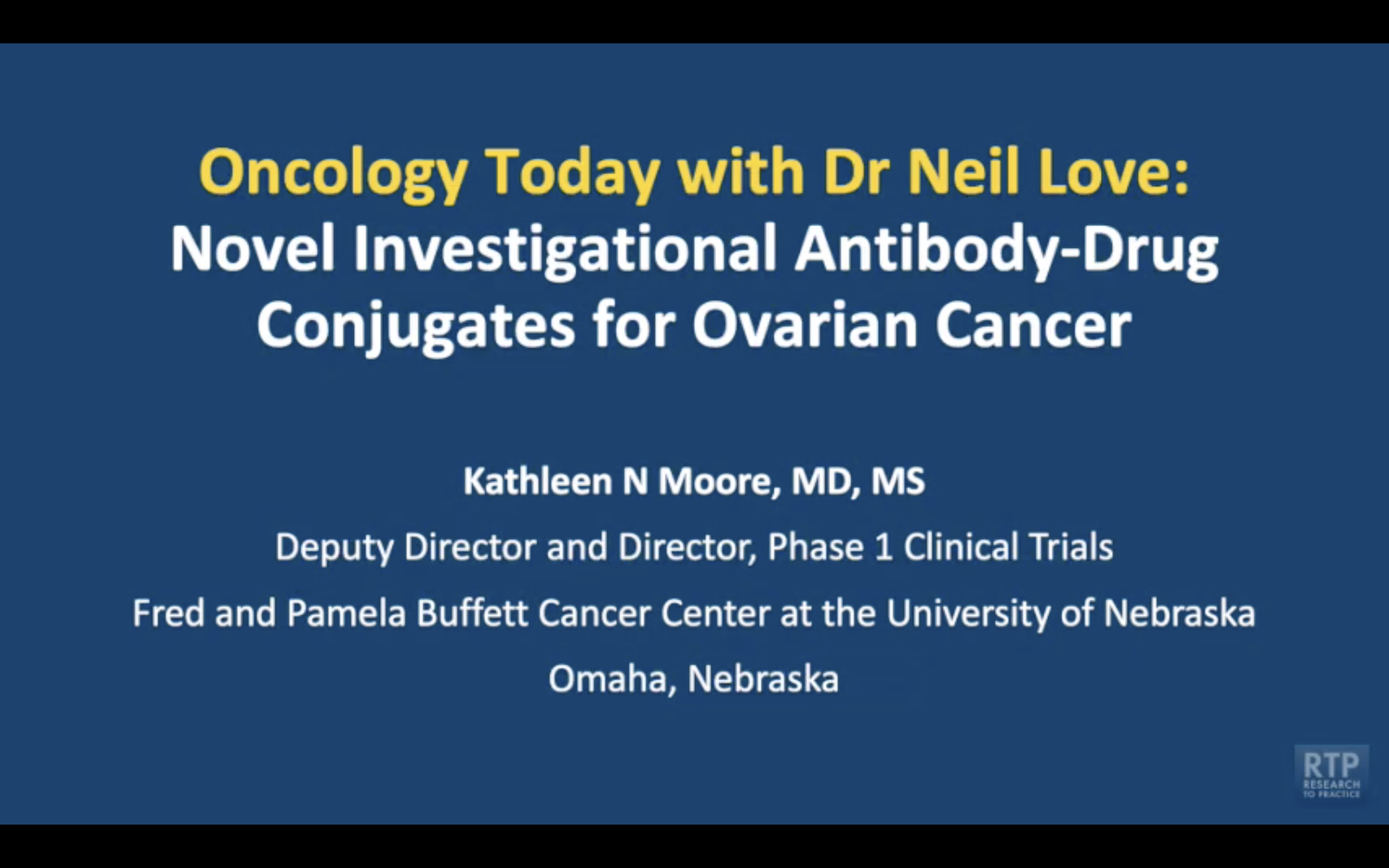
An expert argues the path to curing metastatic cancer may mirror pediatric ALL's history: combining all highly active drugs upfront. Instead of sequencing treatments after failure, the focus should be on powerful initial regimens that eradicate cancer, even if it means higher initial toxicity.
Traditional endpoints like progression-free survival (PFS) incentivize continuous treatment. The NCI group proposes "treatment-free survival," a novel metric that quantifies time spent *off* therapy. This endpoint better captures the patient experience and rewards treatments that provide durable responses after a finite course.
Major trials in prostate (PEACE-2), bladder (Keynote B15), and kidney cancer (LITESPARK-022) showcase a common strategy: moving potent systemic therapies into earlier, curative-intent settings. This approach of using the best drugs sooner aims to improve long-term outcomes, though it also raises questions about toxicity and overtreatment.

In metastatic breast cancer, approximately one-third of patients are unable to proceed to a second line of therapy due to disease progression or declining performance status. This high attrition rate argues for using the most effective agents, such as ADCs, in the first-line setting.
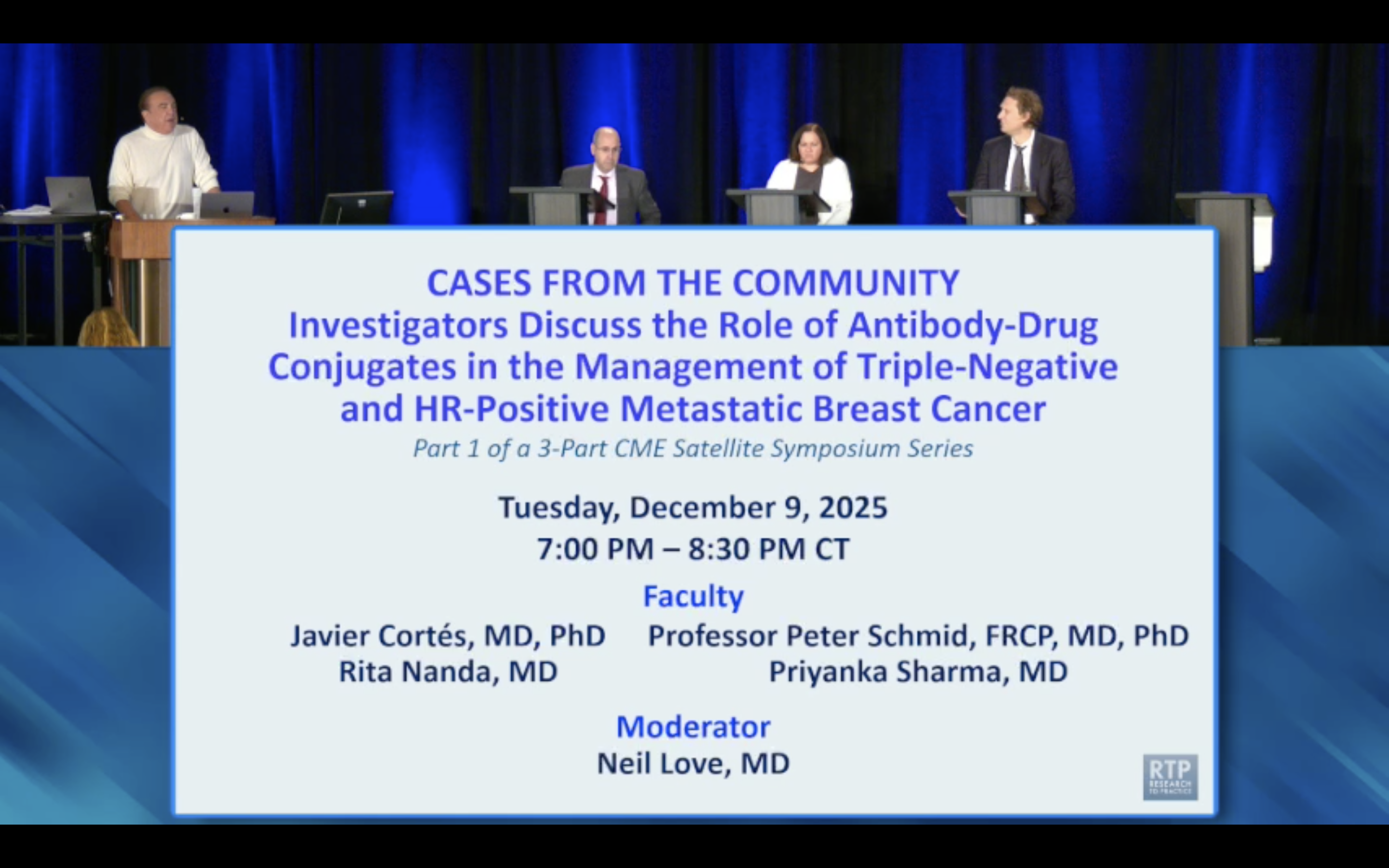
The PR21 trial showed better overall survival for docetaxel followed by Lutetium, despite similar progression-free survival. The likely reason is not drug superiority but patient behavior: a higher percentage of patients complete the second therapy when starting with chemo, highlighting how treatment fatigue significantly impacts survival.
In late-stage metastatic colorectal cancer, the goal shifts from achieving significant tumor shrinkage to stabilizing the disease. This recalibration of 'success' focuses on maintaining quality of life and managing symptoms for patients who have undergone multiple prior therapies.
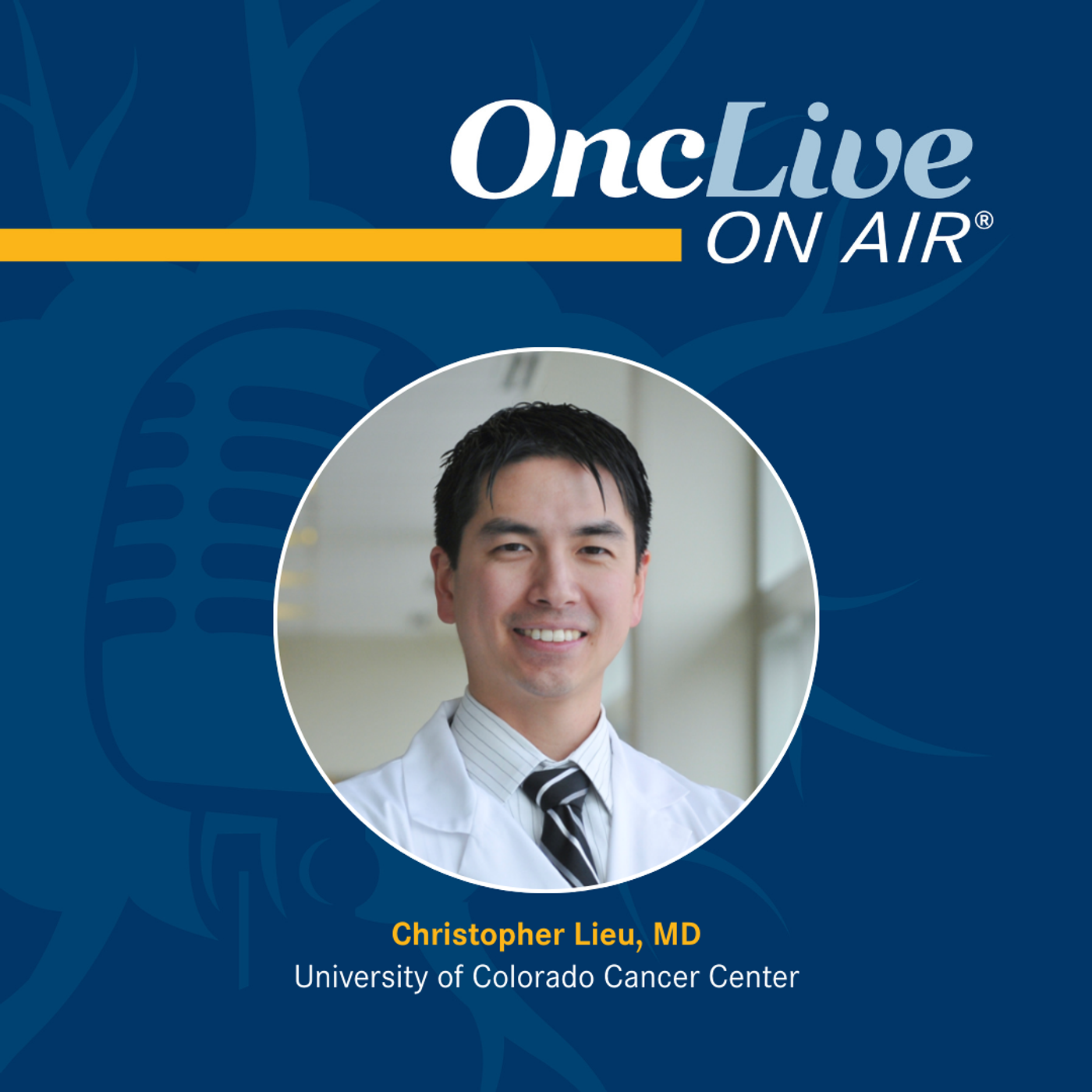
A key lesson in bladder cancer is that patient attrition is rapid between lines of therapy; many who relapse from localized disease never receive effective later-line treatments. This reality provides a strong rationale for moving the most effective therapies, like EV-pembrolizumab, to earlier settings to maximize the number of patients who can benefit.
As more effective targeted therapies move into first- and second-line treatment, patients live longer. A paradoxical outcome is that more patients will survive long enough to become candidates for third-line therapy, potentially expanding this patient population rather than shrinking it.
The primary goal in CML is evolving from chronic management to achieving Treatment-Free Remission (TFR). This paradigm shift favors using the most potent TKIs, like asciminib, first-line to induce deep, rapid molecular responses and enable eventual therapy discontinuation.