Get your free personalized podcast brief
We scan new podcasts and send you the top 5 insights daily.
Gaining FDA approval for a new delivery system like an on-body injector requires more than showing it works. The Iroclia trial for subcutaneous isatuximab had to meet dual primary endpoints, proving non-inferiority in both clinical efficacy (response rates) and pharmacokinetics (drug levels in the blood), setting a high regulatory bar.

Related Insights
The isatuximab on-body injector (OBI) is more than an in-clinic convenience; it represents a key technological step toward moving oncology treatment out of specialized centers. This could enable care closer to or even at patients' homes, particularly benefiting rural patients who face significant travel burdens.
Isatuximab previously lagged its competitor, daratumumab, which had a subcutaneous option for years. The new on-body injector (OBI) isn't just about catching up; its efficiency and high patient preference could shift treatment patterns, making it a significant competitive threat and altering its market position.
Eupraxia's technology is defined by its precision: delivering a stable, flat dose directly into target tissue for up to a year. This hyper-local approach mimics the stability of a continuous IV infusion, aiming to maximize efficacy while minimizing systemic side effects caused by the 'peaks and troughs' of conventional pills or injections.

A key trend in 2025's drug approvals is that "best-in-class" therapies are distinguished not just by efficacy, but by innovations in formulation and delivery that improve the patient experience. Examples include subcutaneous versions of IV drugs and new delivery methods that expand patient access.

Subcutaneous on-body device delivery of anti-CD38 antibodies like isatuximab nearly eliminates the high risk of infusion-related reactions common with intravenous administration, especially during the first dose. This significantly enhances patient safety and comfort in the clinic.
The Araclia study showed subcutaneous isatuximab via an on-body injector had identical efficacy to its IV formulation. The key differentiator was user experience; surveys revealed that both patients and nurses were significantly happier with the subcutaneous method. This highlights that convenience and quality of life are crucial for drug adoption.

Regulatory bodies like the FDA demand comprehensive characterization for any novel excipient, not just the API. For new delivery vehicles, every new lipid or protein component must be fully understood and proven safe, receiving the same level of scrutiny as the drug substance itself.

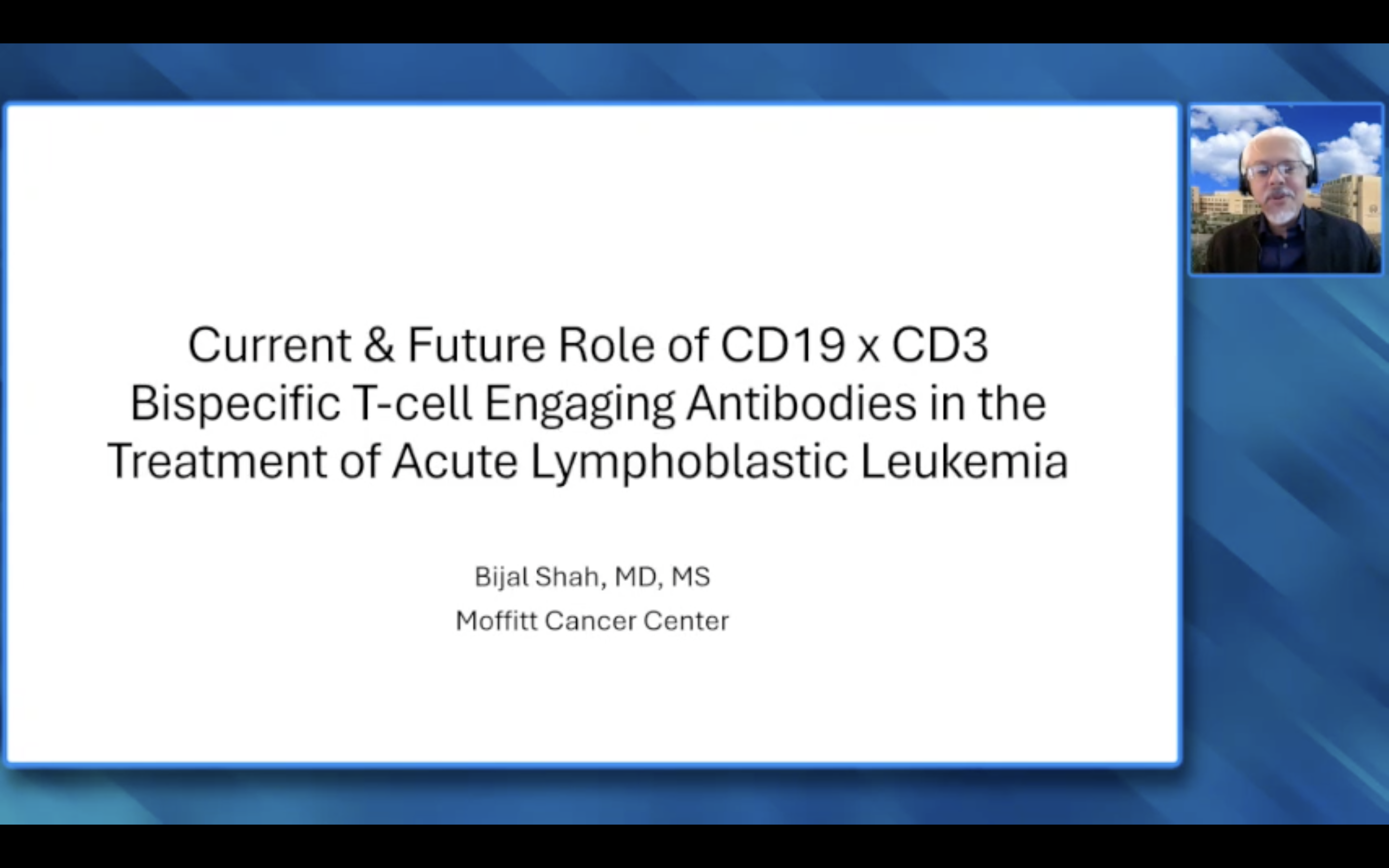
The subcutaneous formulation of blinatumomab is more than a convenience upgrade. It allows for safely achieving higher steady-state drug concentrations compared to the continuous IV infusion. This improved pharmacokinetic profile translates directly into superior efficacy, particularly in patients with high tumor burdens.
The FDA's current leadership appears to be raising the bar for approvals based on single-arm studies. Especially in slowly progressing diseases with variable endpoints, the agency now requires an effect so dramatic it's akin to a parachute's benefit—unmistakable and not subject to interpretation against historical data.

The GLORA-IV trial is designed with a dual endpoint, evaluating both patient response rate and overall survival. This structure creates an alternative pathway for regulatory approval based on response rates, which can be assessed faster than survival, strategically de-risking the lengthy and expensive trial process.