Get your free personalized podcast brief
We scan new podcasts and send you the top 5 insights daily.
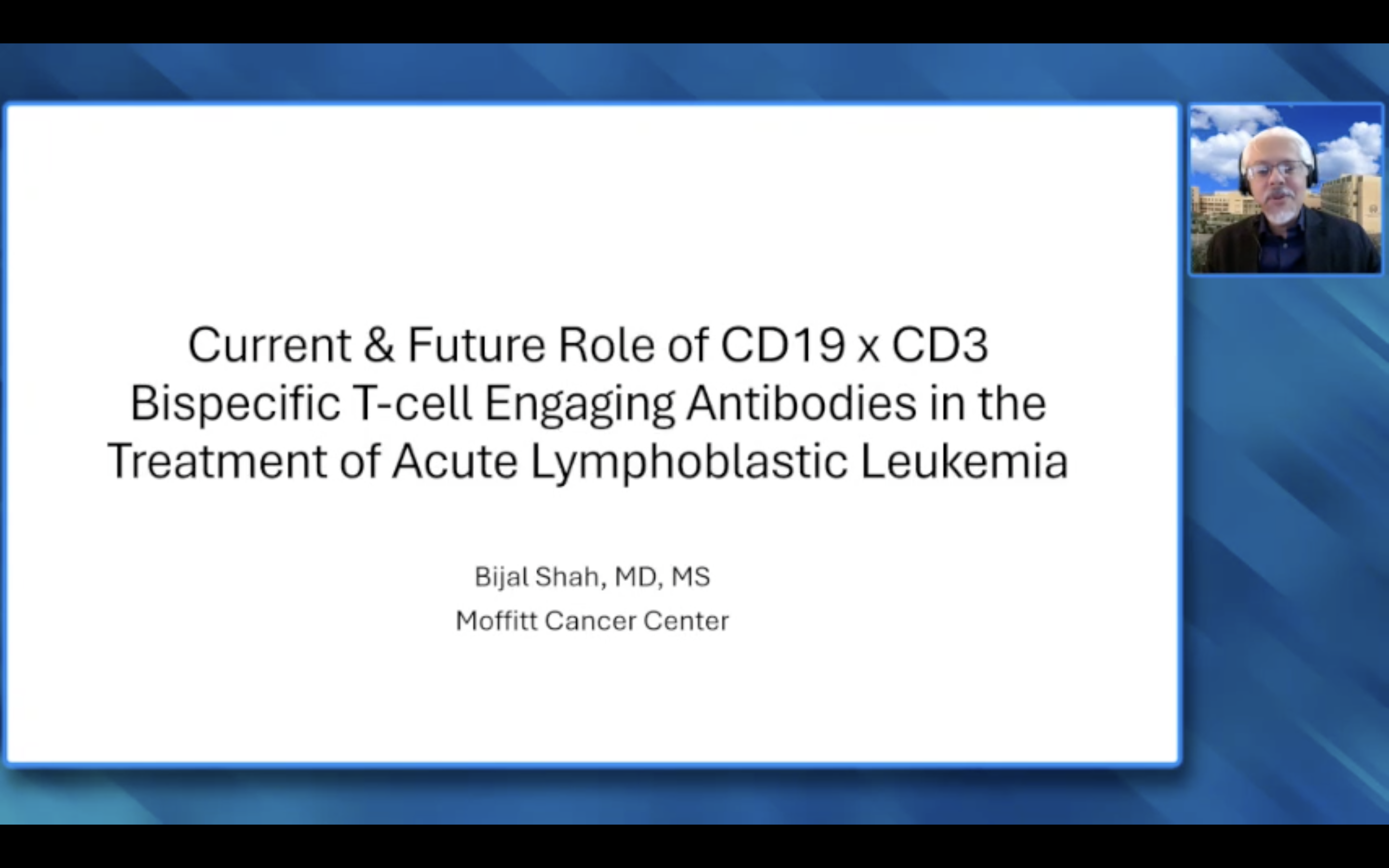
The subcutaneous formulation of blinatumomab is more than a convenience upgrade. It allows for safely achieving higher steady-state drug concentrations compared to the continuous IV infusion. This improved pharmacokinetic profile translates directly into superior efficacy, particularly in patients with high tumor burdens.
Related Insights
The primary advantage of subcutaneous amivantamab extends beyond clinical safety to operational efficiency and patient well-being. It significantly reduces infusion time, freeing up limited oncology clinic resources and, more importantly, allowing patients with a limited life expectancy to spend less time in treatment and more with loved ones.
Next-generation bispecific antibodies are engineered with a silenced Fc portion. This design feature intentionally limits the molecule's circulation time, allowing it to clear rapidly. This helps manage toxicity if it occurs and prevents overstimulation of the immune system via Fc gamma receptors, improving the safety profile.
The subcutaneous formulation is not just an alternative but should be considered the new standard of care for any patient eligible for amivantamab, regardless of the specific regimen. Its benefits are so significant that it may even expand the eligible patient pool to those previously hesitant due to long infusion times or reaction fears.
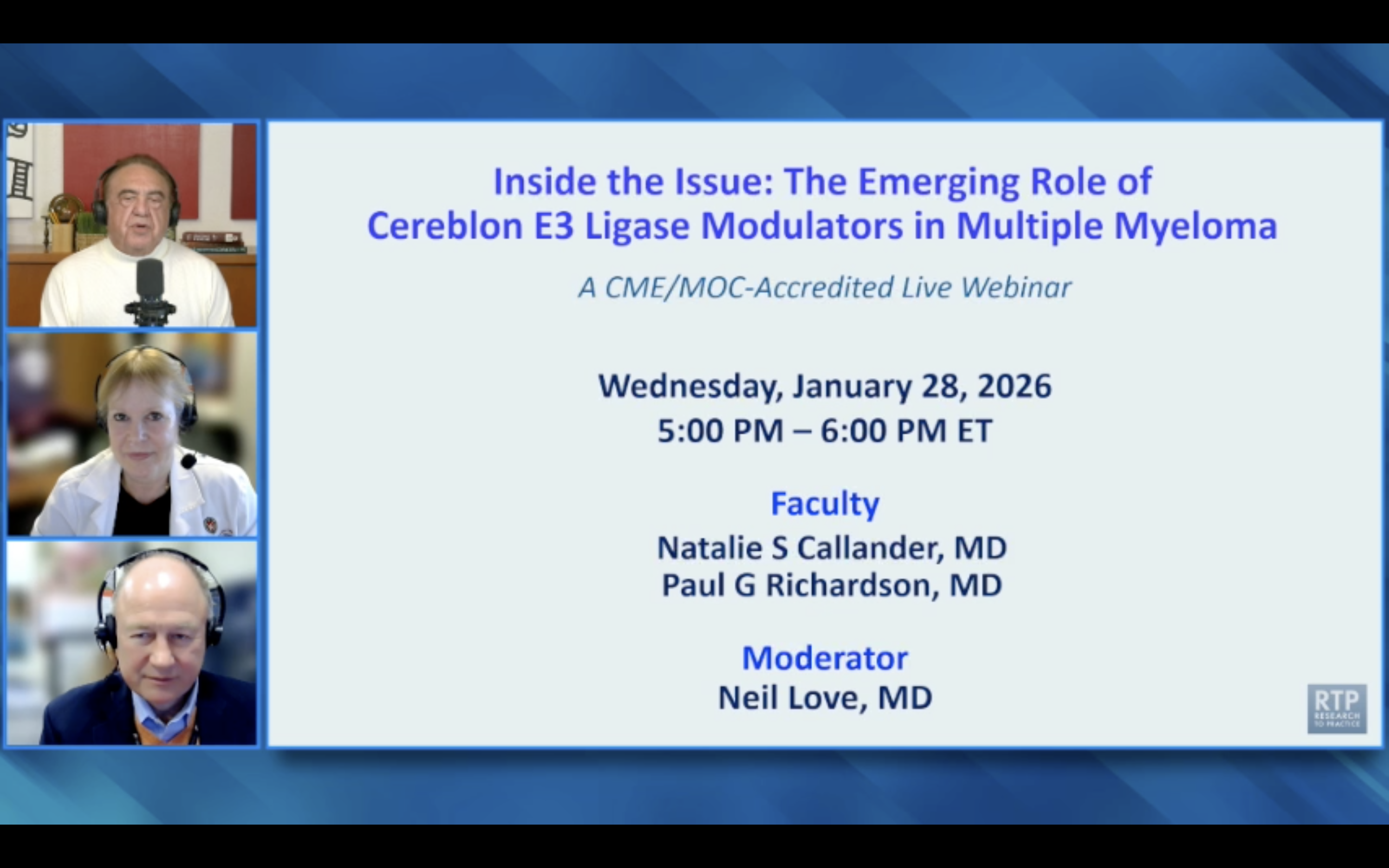
When treating extramedullary disease (EMD), intravenous (IV) bortezomib should be used over the more common subcutaneous formulation. The higher peak drug concentration (Cmax) achieved with IV administration is critical for efficacy against these difficult-to-penetrate sanctuary sites.
A key trend in 2025's drug approvals is that "best-in-class" therapies are distinguished not just by efficacy, but by innovations in formulation and delivery that improve the patient experience. Examples include subcutaneous versions of IV drugs and new delivery methods that expand patient access.

Subcutaneous on-body device delivery of anti-CD38 antibodies like isatuximab nearly eliminates the high risk of infusion-related reactions common with intravenous administration, especially during the first dose. This significantly enhances patient safety and comfort in the clinic.
The primary hurdle for the entire biologics field is enhancing the therapeutic index (efficacy vs. toxicity). Because most conditions like cancer and autoimmune disorders are 'diseases of self,' therapeutics often have on-target, off-tumor effects. This fundamental problem drives the need for innovations like masking and conditional activation.

While designed to prove non-inferiority, the PALOMA-3 trial unexpectedly suggested that the subcutaneous formulation might improve overall survival compared to the IV version. Although the study wasn't powered to confirm this finding and the reason is unclear, it serves as a powerful, reassuring point for clinicians discussing treatment options with patients.
The shift from continuous 28-day IV infusions to subcutaneous injections represents a monumental improvement in patient quality of life. It frees patients from being tethered to a pump and managing a PICC line, which complicates daily activities like showering and introduces risks like pump failure, significantly reducing the treatment burden.
In the pivotal ECOG1910 trial, adding blinatumomab to frontline chemotherapy did more than just prevent relapse. It also improved non-relapse mortality, meaning it was a safer and more tolerable consolidation strategy than the chemotherapy alternative. This dual benefit drove its profound overall survival advantage.