Get your free personalized podcast brief
We scan new podcasts and send you the top 5 insights daily.
To avoid the notoriously complex and opaque accounting of Hollywood-style royalties, Dropout uses a straightforward profit-sharing model for its talent and contractors. This approach is administratively simpler and better aligns incentives, a move enabled by not having to answer to shareholders.

Related Insights
Dropout's ability to offer profit sharing and prioritize creative experiments stems from not having external shareholders to satisfy. This simple business structure is the key enabler of its worker-friendly and artistically-driven policies, avoiding the need to hoard profits for outside investors.

Dropout implements a profit-sharing model for its talent, not just for ethical reasons, but because it's administratively simpler than a traditional, complex royalty system. This approach streamlines finance operations while still rewarding contributors for the platform's overall success.
Counterintuitively, paying employees significantly more than the market rate can be more profitable. It attracts A-players and changes the dynamic from a zero-sum negotiation to a collaborative effort to grow the entire business. This fosters better relationships and disproportionately larger outcomes where everyone wins.

Traditional hourly billing for engineers is obsolete when AI creates 10x productivity. 10X compensates engineers based on output (story points), aligning incentives with speed and efficiency. This model allows top engineers to potentially earn over a million dollars in cash compensation annually.

Bending Spoons uses a radical compensation model: fixed salaries with no bonuses or performance-based incentives. The philosophy is that hiring for high integrity and professional pride fosters better alignment than complex incentive systems, which are costly, create perverse incentives, and hinder collaborative problem-solving.
![Luca Ferrari - Building Bending Spoons - [Invest Like the Best, EP.446] thumbnail](https://megaphone.imgix.net/podcasts/b29cbd80-b93a-11f0-a1b7-2b977c9469a2/image/39f7864ea628f71a81b94662bd4a86df.jpg?ixlib=rails-4.3.1&max-w=3000&max-h=3000&fit=crop&auto=format,compress)
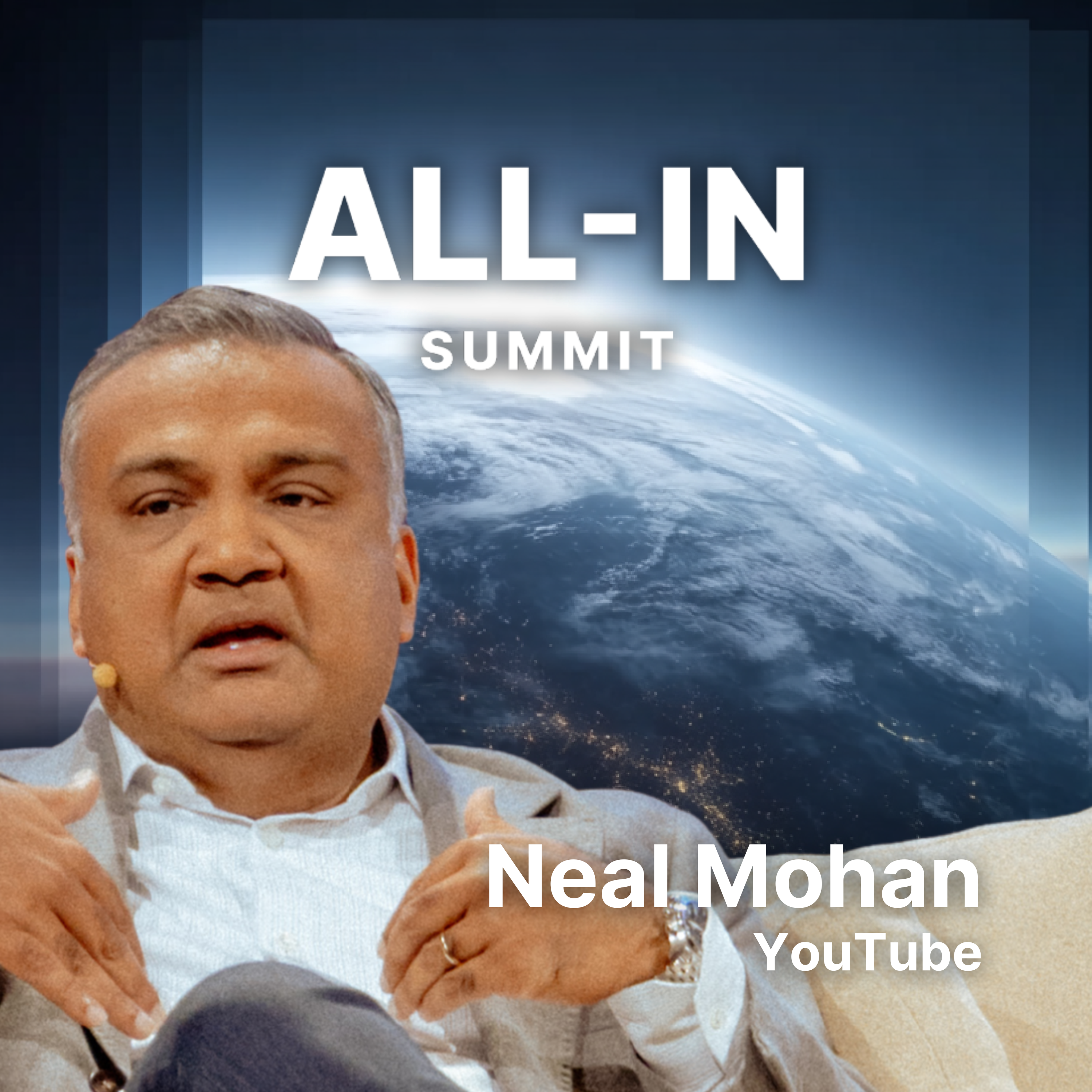
Neal Mohan defends YouTube's revenue split by positioning it as a model where creators bet on their own growth, contrasting with traditional media's upfront payments. For top creators who self-monetize, he frames this as a flexible choice, not a platform weakness, allowing them to select the model that best suits their business.
Structuring compensation around a single, firm-wide P&L, rather than individual deal performance, eliminates internal competition. It forces a culture of true collaboration, as everyone's success is tied together. The system is maintained as a meritocracy by removing underperformers from the 'boat.'
![Martín Escobari - Inside General Atlantic - [Invest Like the Best, EP.449] thumbnail](https://megaphone.imgix.net/podcasts/90e6e3e6-c984-11f0-ae5f-27bb851bdc56/image/608fac468f77cb3014e96336896d96de.jpg?ixlib=rails-4.3.1&max-w=3000&max-h=3000&fit=crop&auto=format,compress)
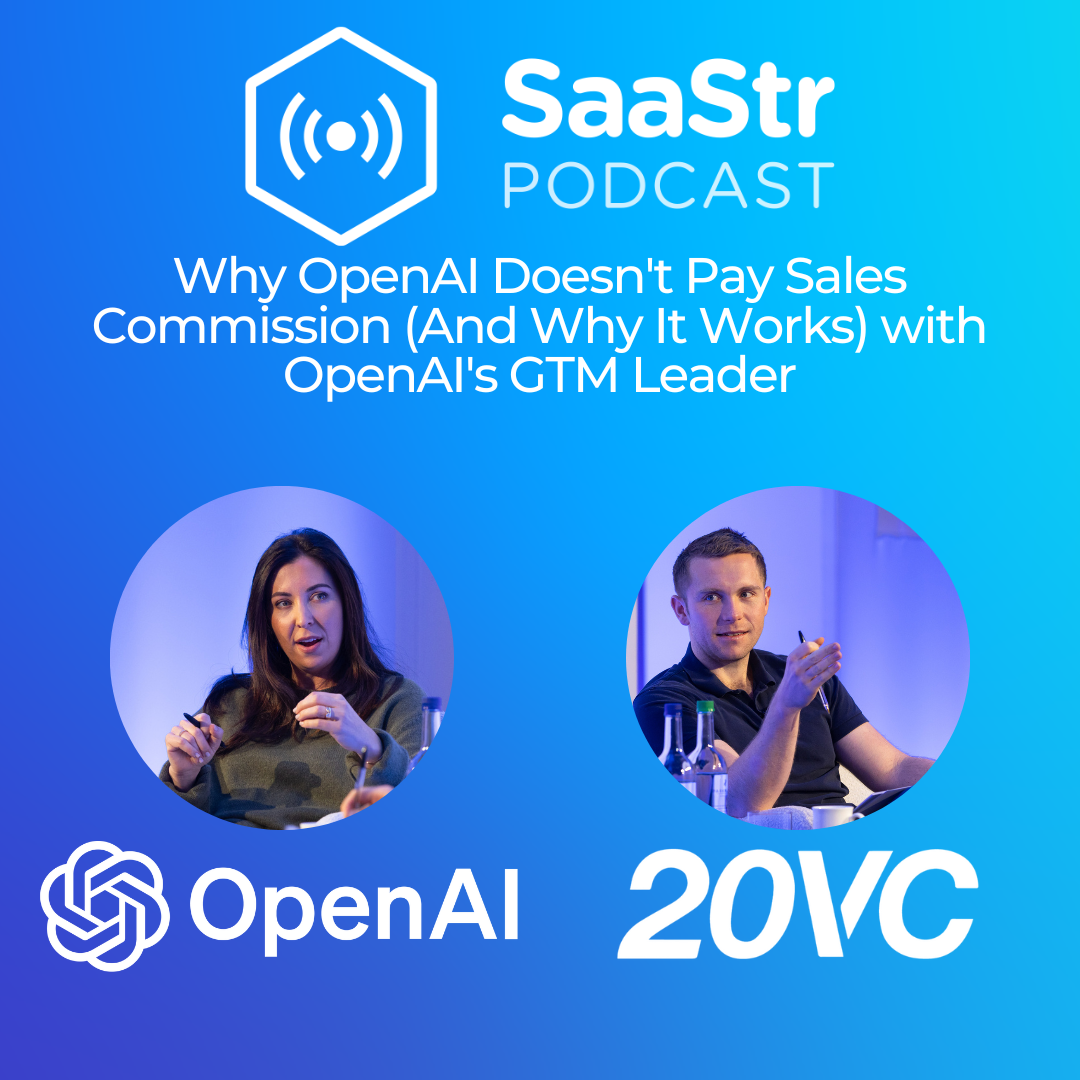
Forgo traditional sales commissions at early-stage companies to incentivize what's best for the business, not just the individual. By offering a competitive salary and strong equity instead, salespeople are motivated to help with onboarding, cross-functional projects, and team building without seeing it as a financial loss.
By framing Dropout as a "comedy SaaS," the CEO simplifies the business to its core transaction: subscribers pay a monthly fee for laughs. This mindset avoids the operational complexities and stakeholder demands common in traditional media companies, focusing purely on the creator-audience relationship.
Dropout intentionally avoids exclusivity clauses in talent contracts, positioning itself as "everyone's favorite second job." This allows them to attract high-caliber performers who have primary commitments elsewhere, such as on major late-night shows, dramatically widening their available talent pool.