Get your free personalized podcast brief
We scan new podcasts and send you the top 5 insights daily.
Democrats in Congress successfully leveraged the threat of a government shutdown to temporarily halt funding for the Department of Homeland Security, forcing a negotiation over the scope of ICE's deportation campaign. This represents a rare institutional check on executive power, using the power of the purse to constrain policy.
Related Insights
During a government shutdown, one political strategy is to refuse compromise and instead allow the opposition's actions, like cutting food stamps, to publicly reveal their character and force them to own the unpopular consequences.

A political party might intentionally trigger a government shutdown not to win policy concessions, but to create a public narrative of a dysfunctional opposition. The true victory isn't legislative but reputational, aiming to sway voters in upcoming elections by making the ruling party look incompetent.

The check on authoritarian power doesn't require a majority opposition. In the U.S. Senate, a small faction of just 20 Republicans could privately threaten to join Democrats on an impeachment vote, effectively forcing the administration to reverse course. Their inaction signals political cowardice.
The recurring threat of U.S. government shutdowns stems not from the Constitution, but from the Senate's filibuster convention. This procedural rule requires a 60-vote supermajority to pass budget bills, giving the minority party significant leverage to block legislation and trigger a shutdown, even without a majority of votes.
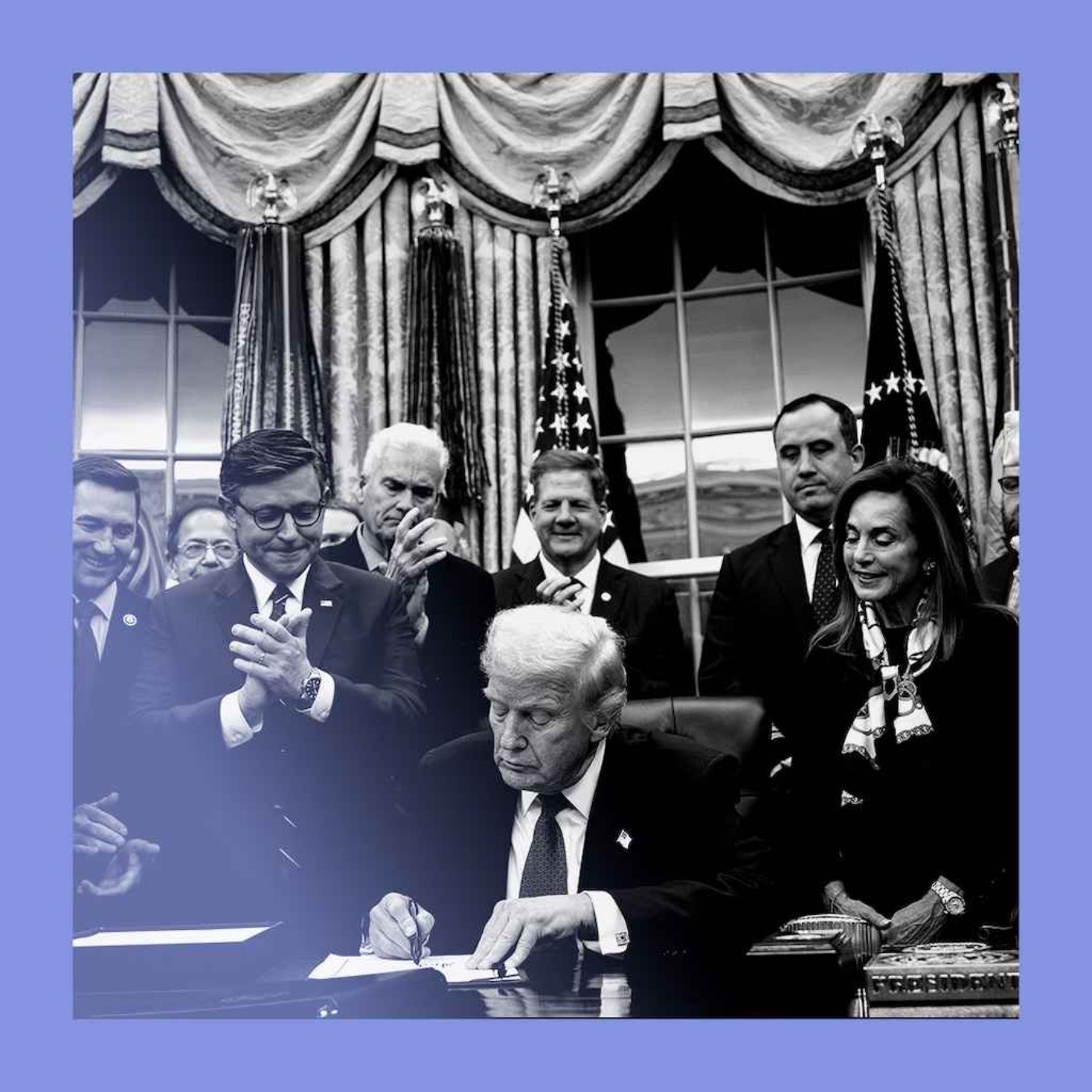
With a September 30th budget deadline looming, the government needs Democratic votes to avoid a shutdown. Democrats are leveraging this necessity by demanding a rollback of Republican healthcare cuts as the price for their cooperation, showcasing a hardball negotiation tactic in a divided government.

Democrats tried to leverage the government shutdown to force a vote on healthcare tax credits but lacked the votes. While a tactical failure, the Republican vote against the credits gives Democrats a powerful issue to campaign on during the midterms, potentially turning a short-term loss into a long-term strategic advantage.
The strategy is to split the main spending bill into smaller "minibuses," allowing Democrats to block funding specifically for the Department of Homeland Security. This targeted approach aims to force accountability on ICE while minimizing widespread disruption to other essential federal services, unlike a full government shutdown.

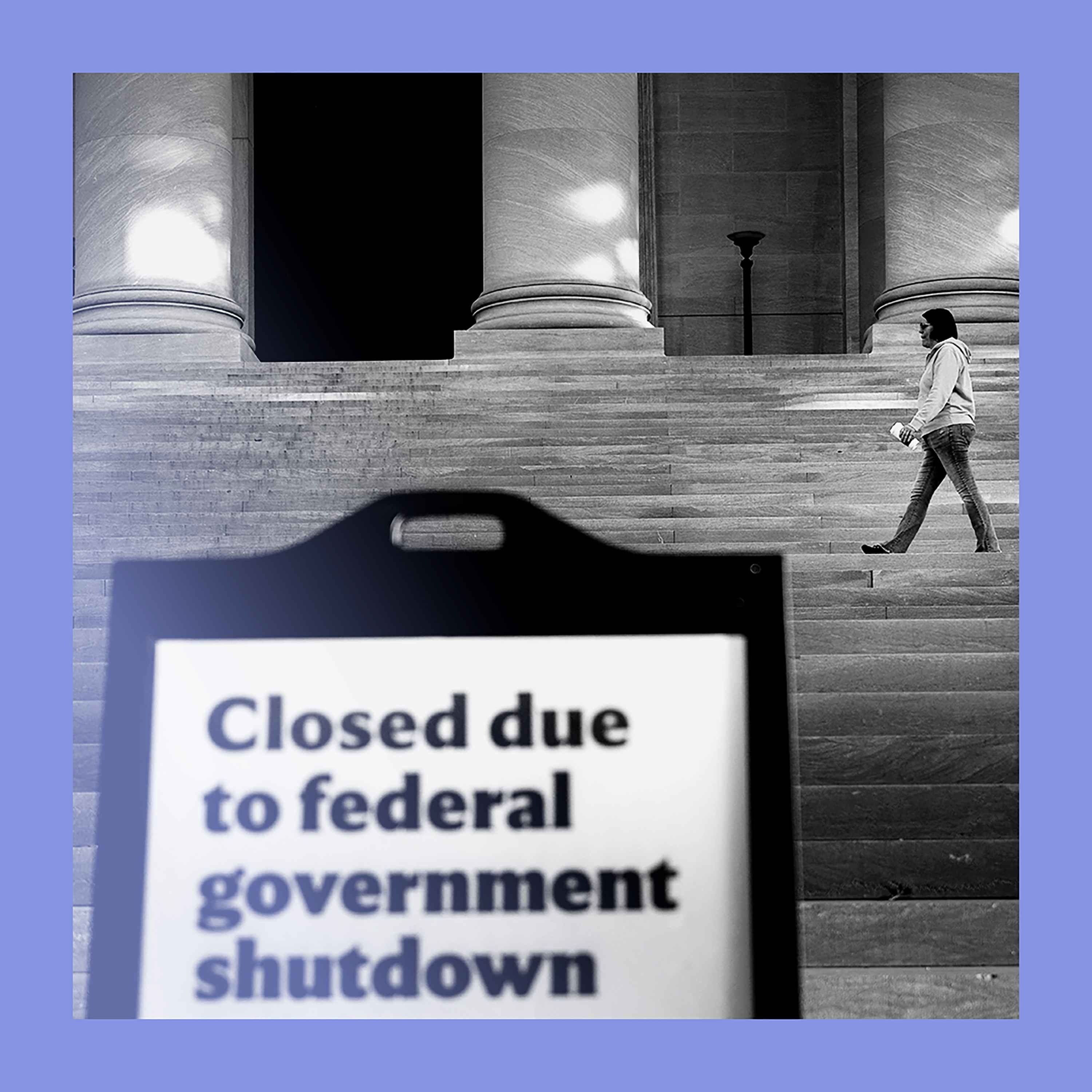
A major government shutdown was made "oddly tolerable" and politically sustainable because the administration creatively repurposed funds to keep key services paid. This selective funding of the military and homeland security masked the shutdown's full extent, reducing immediate public pressure for a resolution and allowing the impasse to continue.
Political conflict has escalated to include domestic economic warfare. A president threatening to cut off federal funding to non-compliant states represents a tactical shift where economic leverage is used internally to force policy alignment, moving beyond legislative debate to direct financial punishment.

The podcast critiques the Democratic strategy of threatening a government shutdown, arguing their track record shows they often "blink" first and cave without securing significant concessions. The threat is only potent if the party is genuinely committed to holding out for tangible wins, otherwise it weakens their position.