Get your free personalized podcast brief
We scan new podcasts and send you the top 5 insights daily.
Legendary designer Bob Mackie rejected the label of "fashion designer," finding the industry "heartless and boring." His work was an act of costuming, centered entirely on the individual star. Each design was an extension of a specific personality, meant to make them shine, rather than adhering to seasonal trends.

Related Insights
The challenge for creators isn't dictating trends. It's understanding the customer's underlying desire and then fulfilling it in a novel, unexpected way. This approach avoids simply following trends while still meeting market demand, creating a unique product proposition.

Designers once felt like imposters, but the profession grew rapidly, championed by figures like Steve Jobs. Now, design has a "seat at the table" and is recognized as a critical differentiator and a core business process for problem-solving, not just aesthetics.
Developing taste isn't about chasing trends. It's an introspective process of identifying your core values and aspirations—like stoicism, adventure, or family tradition. You then find the aesthetic language in fashion, design, or writing that authentically communicates that internal identity to the world.

Claudia Cardinale's husky voice, initially considered "unpleasant" and dubbed over in her early films, ultimately became a key part of her unique identity. This demonstrates how unconventional attributes, often rooted in personal history, can become powerful differentiators that define an artist's authentic brand.

Advised early on to adopt a more serious look, Dolly refused. She had intentionally modeled her style on the "town tramp" she admired for her confidence. By owning the criticism and making it part of her identity, she built an unshakeable and authentic personal brand that resonated for decades.

Unlike earlier artists whose image was an authentic extension of themselves, Bowie pioneered the concept of a musician as a series of ever-changing, confected personas (e.g., Ziggy Stardust). This approach elevated his status from a traditional 'star' to a manufactured, otherworldly 'superstar'.

Figma's Chief Design Officer, Loredana Crisan, defines taste not as an innate gift, but as a byproduct of intense care and effort. It's the visible result of anticipating needs and considering every detail, much like hosting a perfect party. This embodied intuition is developed through countless hours of practice.

While attending every major shoot, Gap's CMO doesn't micromanage the creative director. Instead, she focuses on intangible elements like the talent's expression and the overall mood. Her goal is to capture confidence and uplift, not just generic happiness, ensuring the brand's essence is authentically represented.
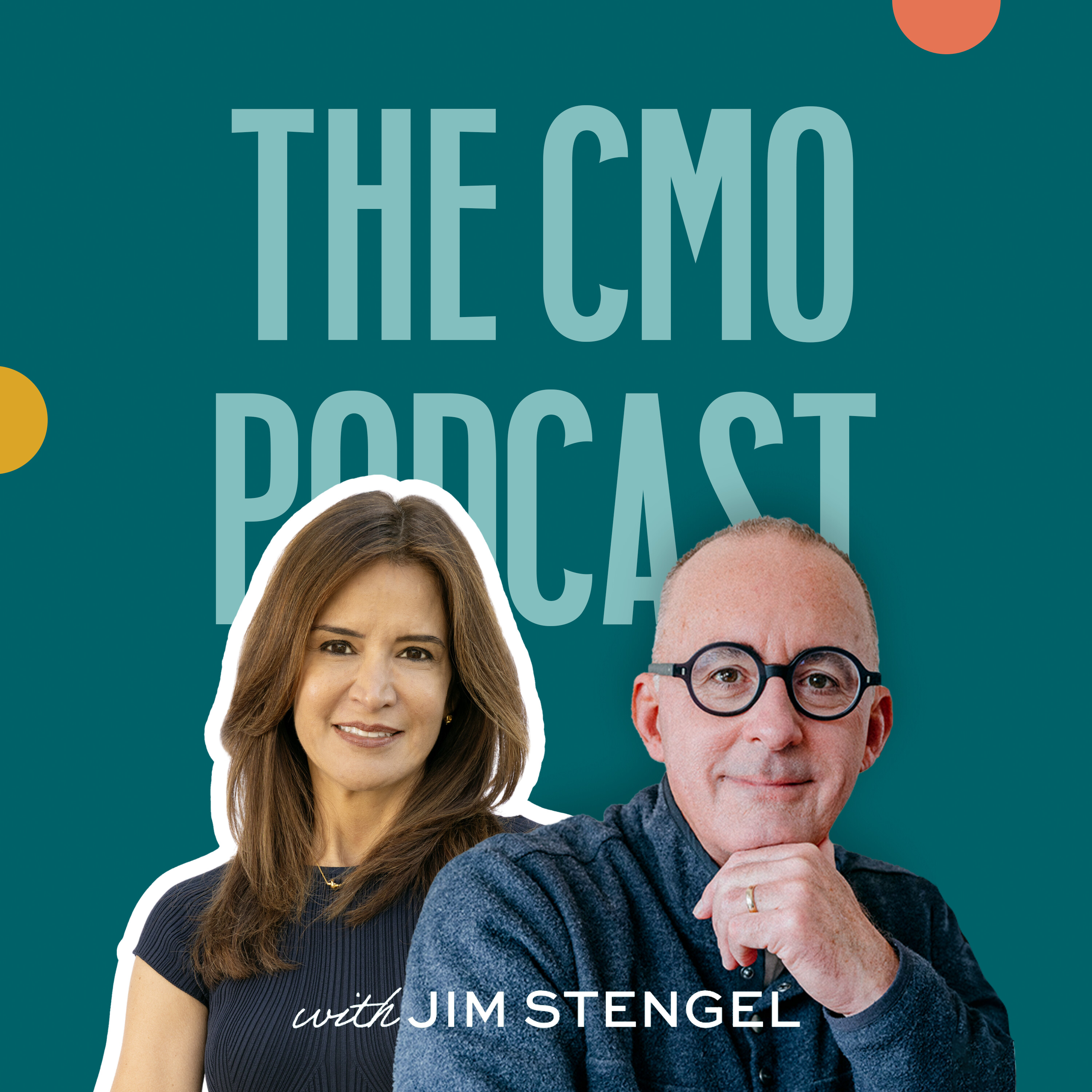
Burns advises against "careerism"—following a predetermined path set by others. He advocates for pursuing a "professional life" guided by internal passion and a willingness to deviate from conventional routes, which allows for greater creativity and fulfillment.
The brand rejects a marketing-driven approach of finding a market gap and building a product. Instead, like a fashion house, they create what they are inspired to make, focusing on beauty and story first. The creativity itself is the driver, not a strategic response to market data.
