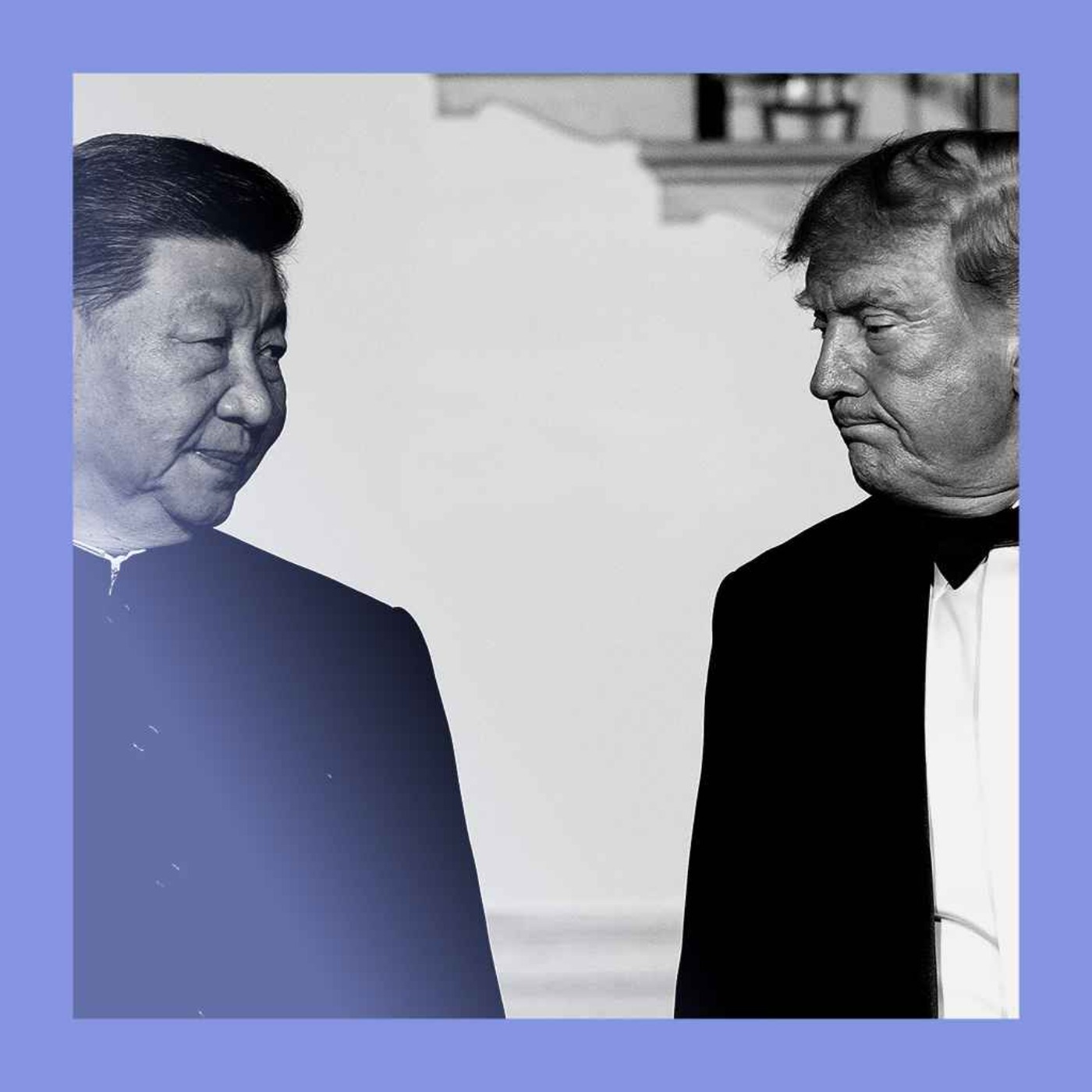
China, once rattled by US tariffs, has regained confidence and now frames its relationship with America as a "strategic stalemate." This Mao-era term implies it has reached parity with an incumbent power, reflecting a newfound belief in its own economic self-reliance and ability to withstand pressure.
High-level US-China talks on AI risk management have produced little substance. Despite agreeing to a "dialogue," both nations view AI as a "fierce competition" rather than an area for collaboration. No significant breakthroughs, like a risk hotline, have been established, indicating a focus on national advantage over global safety.
British influencer Tommy Robinson's anti-Islam message has penetrated the highest levels of American power, influencing not just MAGA supporters but also figures like Senator Tommy Tuberville and Elon Musk. He even received a State Department waiver and an official tour, signaling a level of acceptance among some American elites.
Contrary to expectations, American public perception of Islam has hardened over time. A recent Pew Research survey found that 51% of Americans consider Islam more violent than other religions, more than doubling the 25% who held that view in the immediate aftermath of the September 11th attacks.
Legendary designer Bob Mackie rejected the label of "fashion designer," finding the industry "heartless and boring." His work was an act of costuming, centered entirely on the individual star. Each design was an extension of a specific personality, meant to make them shine, rather than adhering to seasonal trends.
Ignoring or deplatforming controversial figures like Tommy Robinson can be counterproductive. It enables them to leverage mainstream media criticism as validation, build a powerful alternate support base, and become more powerful among followers who are told to distrust established outlets.