Get your free personalized podcast brief
We scan new podcasts and send you the top 5 insights daily.
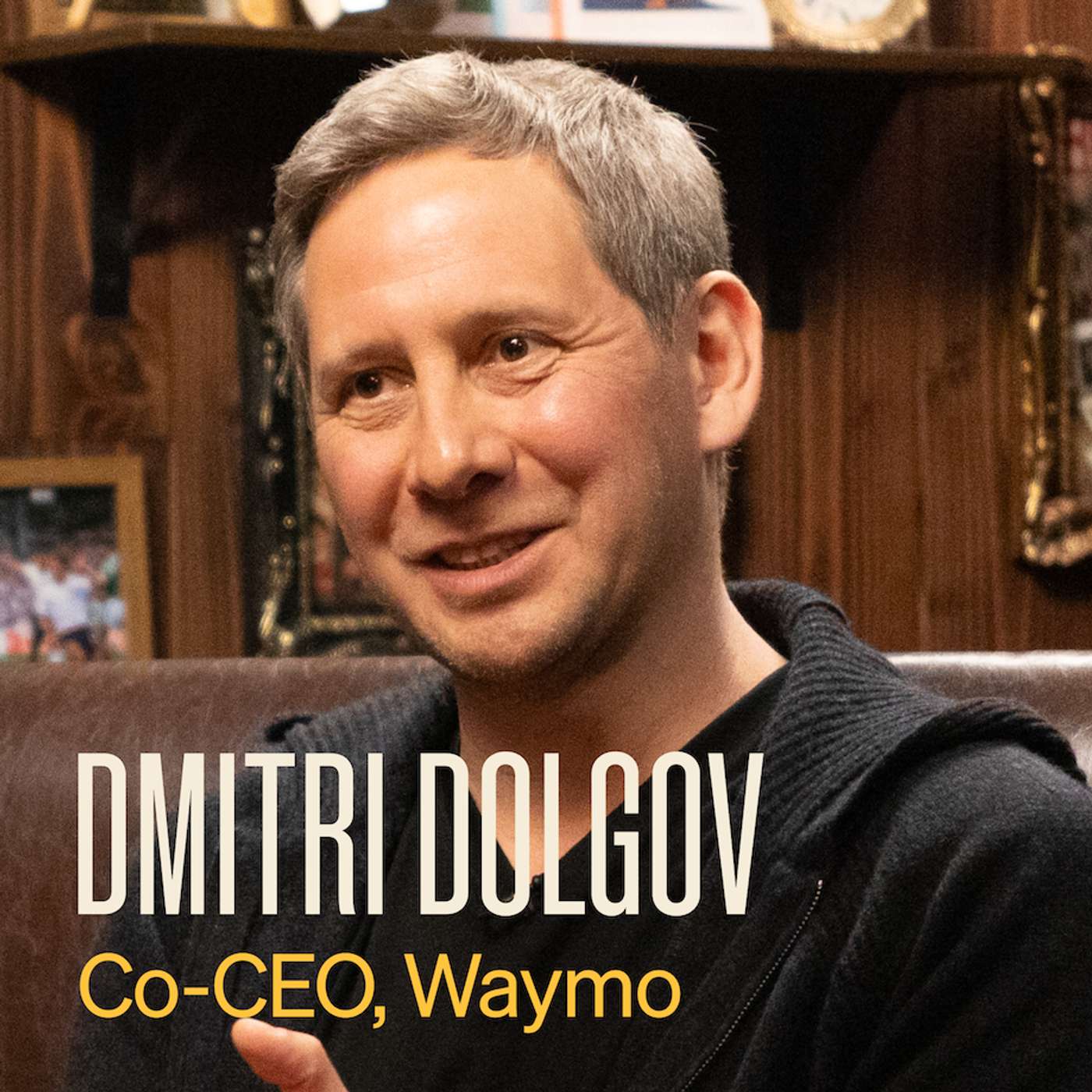
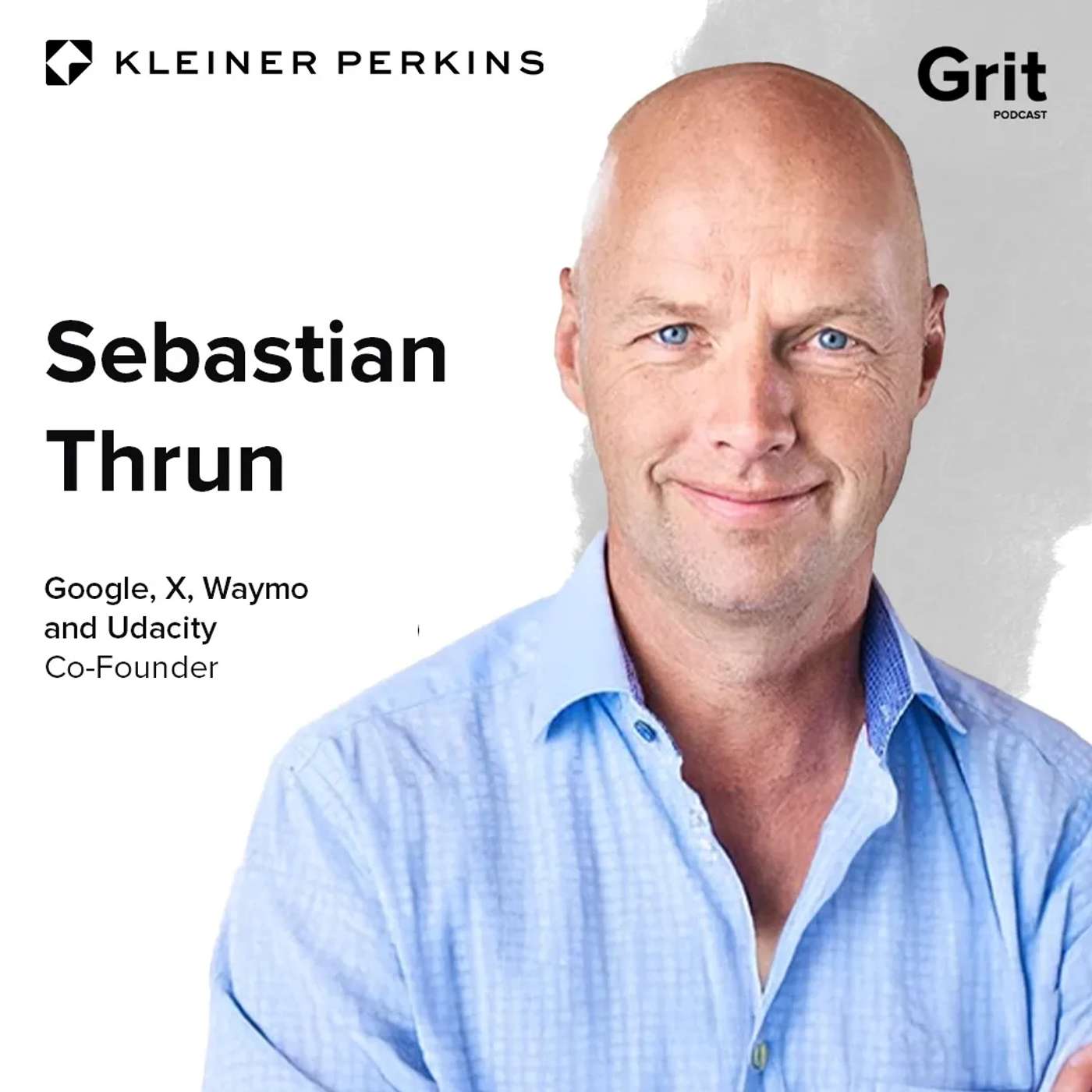
A philosophical split within Google's early AV team—between caution and risk-taking—foreshadowed industry-wide problems. Uber adopted the aggressive 'move fast' ethos, which led to a disastrous safety record and a fatal crash, proving the model's unsuitability for physical-world technology.

Related Insights
Major AI breakthroughs like Transformers accelerate initial progress but are not silver bullets for the safety-critical long tail. The nature of the problem is that getting a prototype working is relatively easy, but achieving the final "nines" of reliability is incredibly difficult, justifying Google's early, multi-decade investment.
After a fatal accident with its own AV program, Uber pivoted. Instead of building cars, its long-term strategy is to be the essential demand-generation platform for every AV manufacturer, aiming to maximize the utilization and revenue of any "box with wheels" from any company.

The autonomous vehicle industry's public trust is still fragile. A single high-profile safety failure from a major player, comparable to the GM Cruise incident, could trigger a severe backlash. This would likely lead to a regulatory crackdown and an industry-wide 'winter,' pausing progress for 12 to 18 months.
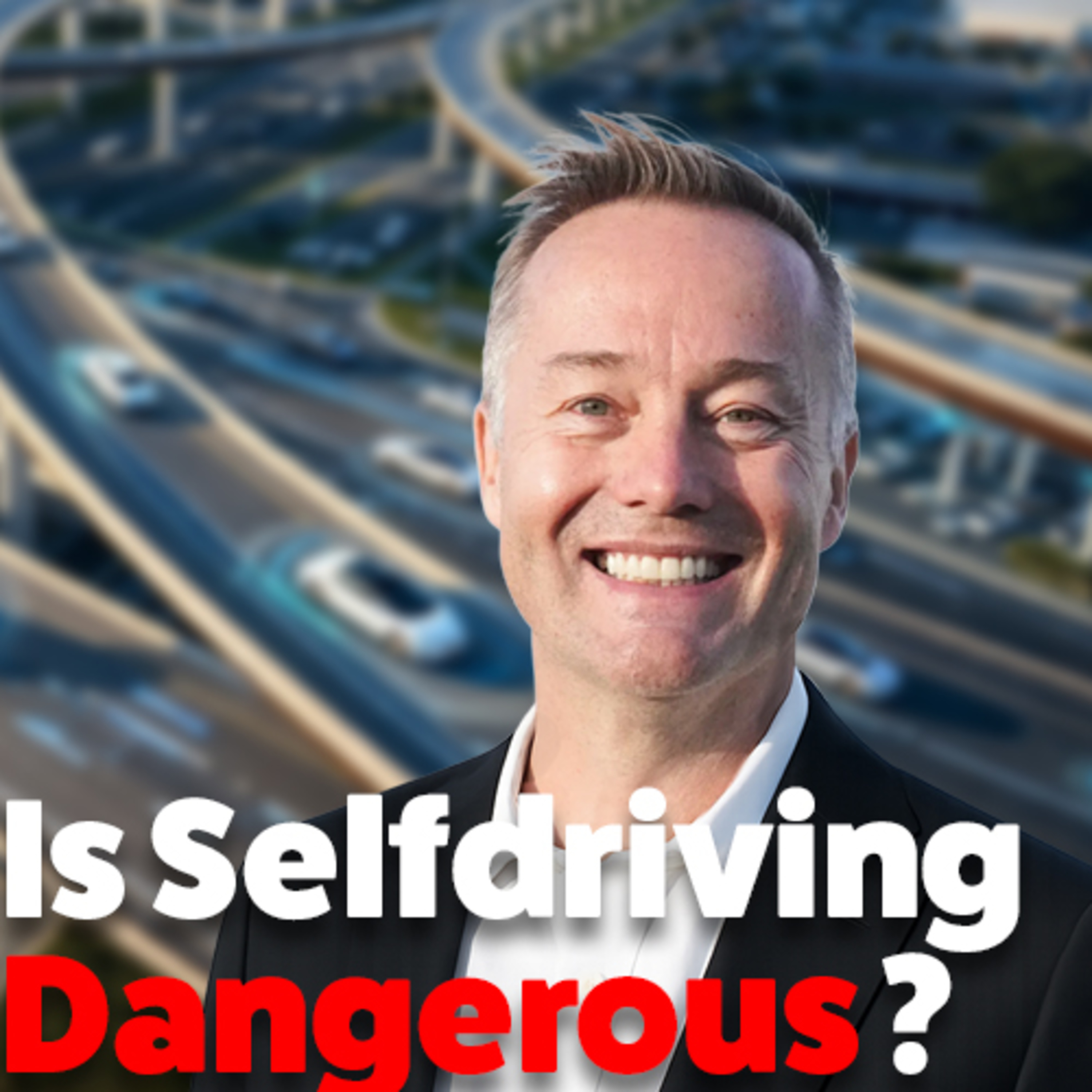
After proving its robo-taxis are 90% safer than human drivers, Waymo is now making them more "confidently assertive" to better navigate real-world traffic. This counter-intuitive shift from passive safety to calculated aggression is a necessary step to improve efficiency and reduce delays, highlighting the trade-offs required for autonomous vehicle integration.

Early self-driving cars were too cautious, becoming hazards on the road. By strictly adhering to the speed limit or being too polite at intersections, they disrupted traffic flow. Waymo learned its cars must drive assertively, even "aggressively," to safely integrate with human drivers.
In aerospace and defense, the classic Silicon Valley motto is dangerous. Hardware failures can lead to physical harm and mission failure, unlike software bugs. This necessitates a rigorous testing and evaluation stack to prevent edge cases before deployment, making speed secondary to safety and reliability.

AI leaders aren't ignoring risks because they're malicious, but because they are trapped in a high-stakes competitive race. This "code red" environment incentivizes patching safety issues case-by-case rather than fundamentally re-architecting AI systems to be safe by construction.

When building its self-driving car team, Google intentionally hired software engineers over automotive experts. They found industry veterans were so ingrained in the existing paradigm that they couldn't adapt to a software-first approach and ended up firing them. The project's success came from fresh minds.
A fundamental tension within OpenAI's board was the catch-22 of safety. While some advocated for slowing down, others argued that being too cautious would allow a less scrupulous competitor to achieve AGI first, creating an even greater safety risk for humanity. This paradox fueled internal conflict and justified a rapid development pace.

The competitive landscape of AI development forces a race to the bottom. Even companies that want to prioritize safety must release powerful models quickly or risk losing funding, market share, and a seat at the policy table. This dynamic ensures the fastest, most reckless approach wins.
