Get your free personalized podcast brief
We scan new podcasts and send you the top 5 insights daily.
Early self-driving cars were too cautious, becoming hazards on the road. By strictly adhering to the speed limit or being too polite at intersections, they disrupted traffic flow. Waymo learned its cars must drive assertively, even "aggressively," to safely integrate with human drivers.
Related Insights
When investing in high-risk, long-development categories like autonomous vehicles, the key signal is undeniable consumer pull. Once Waymo became the preferred choice in San Francisco, it validated the investment thesis despite a decade of development and high costs.
![David George - Building a16z Growth, Investing Across the AI Stack, and Why Markets Misprice Growth - [Invest Like the Best, EP.450] thumbnail](https://megaphone.imgix.net/podcasts/8da7dbd8-ceeb-11f0-941c-ef83bcdd4c9f/image/d44107bc94719f78fbe91befb141073e.jpg?ixlib=rails-4.3.1&max-w=3000&max-h=3000&fit=crop&auto=format,compress)
Lyft is competing with Waymo in cities like San Francisco but partnering with them in Nashville, where Lyft manages Waymo's fleet (cleaning, charging, maintenance). This "frenemy" approach allows Lyft to participate in the autonomous vehicle future by providing operational services to a direct competitor.
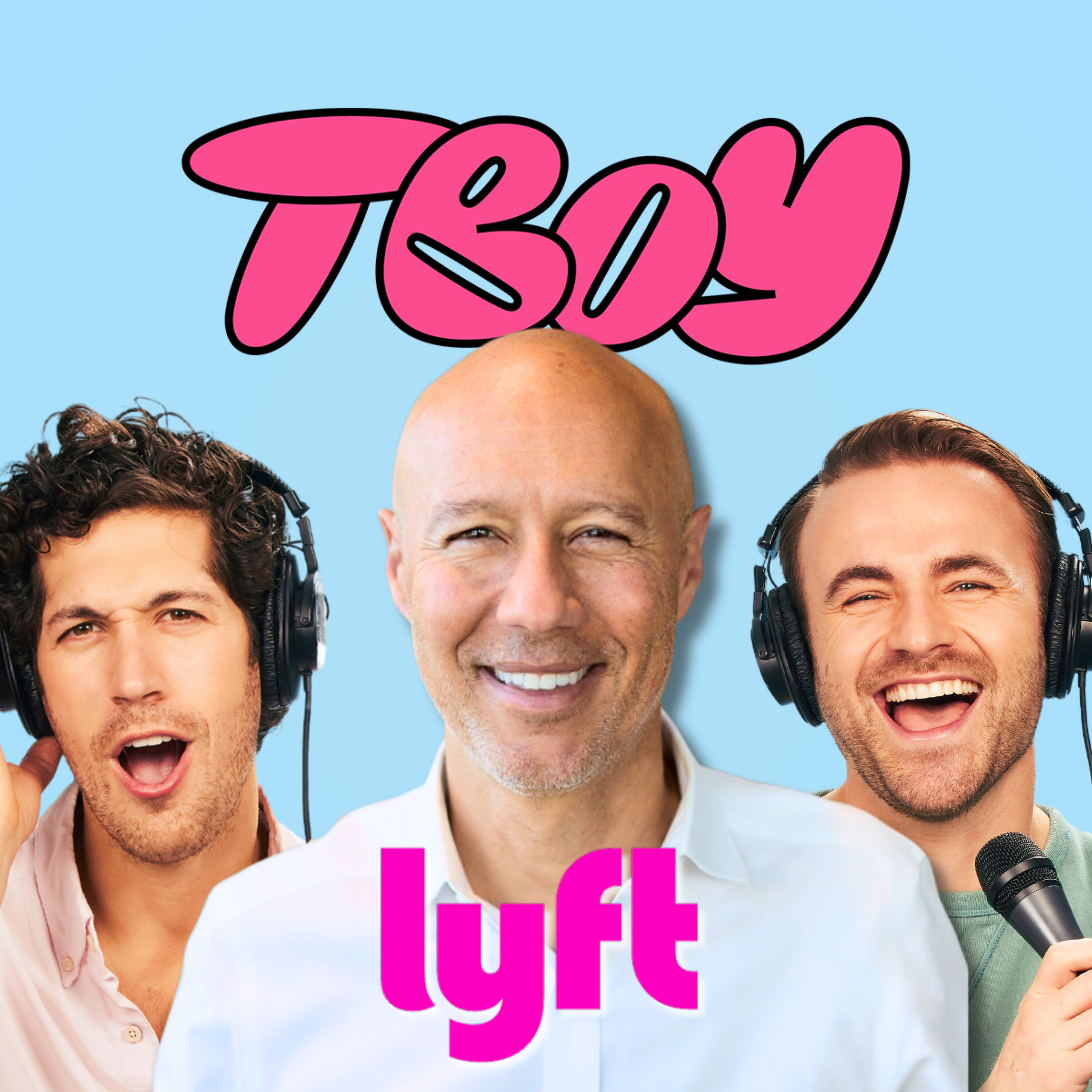
Sebastian Thrun, a top expert, initially dismissed city-based self-driving cars as impossible. This taught him that experts are often blind to disruptive change, as their knowledge is rooted in past paradigms, making them ill-equipped to envision a radically different future.
After proving its robo-taxis are 90% safer than human drivers, Waymo is now making them more "confidently assertive" to better navigate real-world traffic. This counter-intuitive shift from passive safety to calculated aggression is a necessary step to improve efficiency and reduce delays, highlighting the trade-offs required for autonomous vehicle integration.

Current self-driving technology cannot solve the complex, unpredictable situations human drivers navigate daily. This is not a problem that more data or better algorithms can fix, but a fundamental limitation. According to the 'Journey of the Mind' theory, full autonomy will only be possible when vehicles can incorporate the actual mechanism of consciousness.

When building its self-driving car team, Google intentionally hired software engineers over automotive experts. They found industry veterans were so ingrained in the existing paradigm that they couldn't adapt to a software-first approach and ended up firing them. The project's success came from fresh minds.
Instead of building its own AV tech or committing to one exclusive partner, Lyft is embracing a 'polyamorous' approach by working with multiple AV companies like Waymo, May Mobility, and Baidu. This de-risks their strategy, positioning them as an open platform that can integrate the best technology as it emerges, rather than betting on a single winner.
A human driver's lesson from a mistake is isolated. In contrast, when one self-driving car makes an error and learns, the correction is instantly propagated to all other cars in the network. This collective learning creates an exponential improvement curve that individual humans cannot match.
CEO David Risher describes Lyft's autonomous vehicle strategy as "polyamorous." Instead of betting on one technology partner, they are integrating with multiple AV companies like Waymo, May Mobility, and Baidu. This approach positions Lyft as the essential network for any AV provider to access riders, regardless of who builds the best car.
The lack of widespread outrage after a Waymo vehicle killed a beloved cat in tech-skeptical San Francisco is a telling sign. It suggests society is crossing an acceptance threshold for autonomous technology, implicitly acknowledging that while imperfect, the path to fewer accidents overall involves tolerating isolated, non-human incidents.