Get your free personalized podcast brief
We scan new podcasts and send you the top 5 insights daily.
The administration is issuing tariff exemptions and delays, signaling sensitivity to their downstream costs. This pattern suggests political pressure around affordability, especially ahead of midterm elections, is acting as a practical brake on more aggressive trade pressure at the margin.

Related Insights
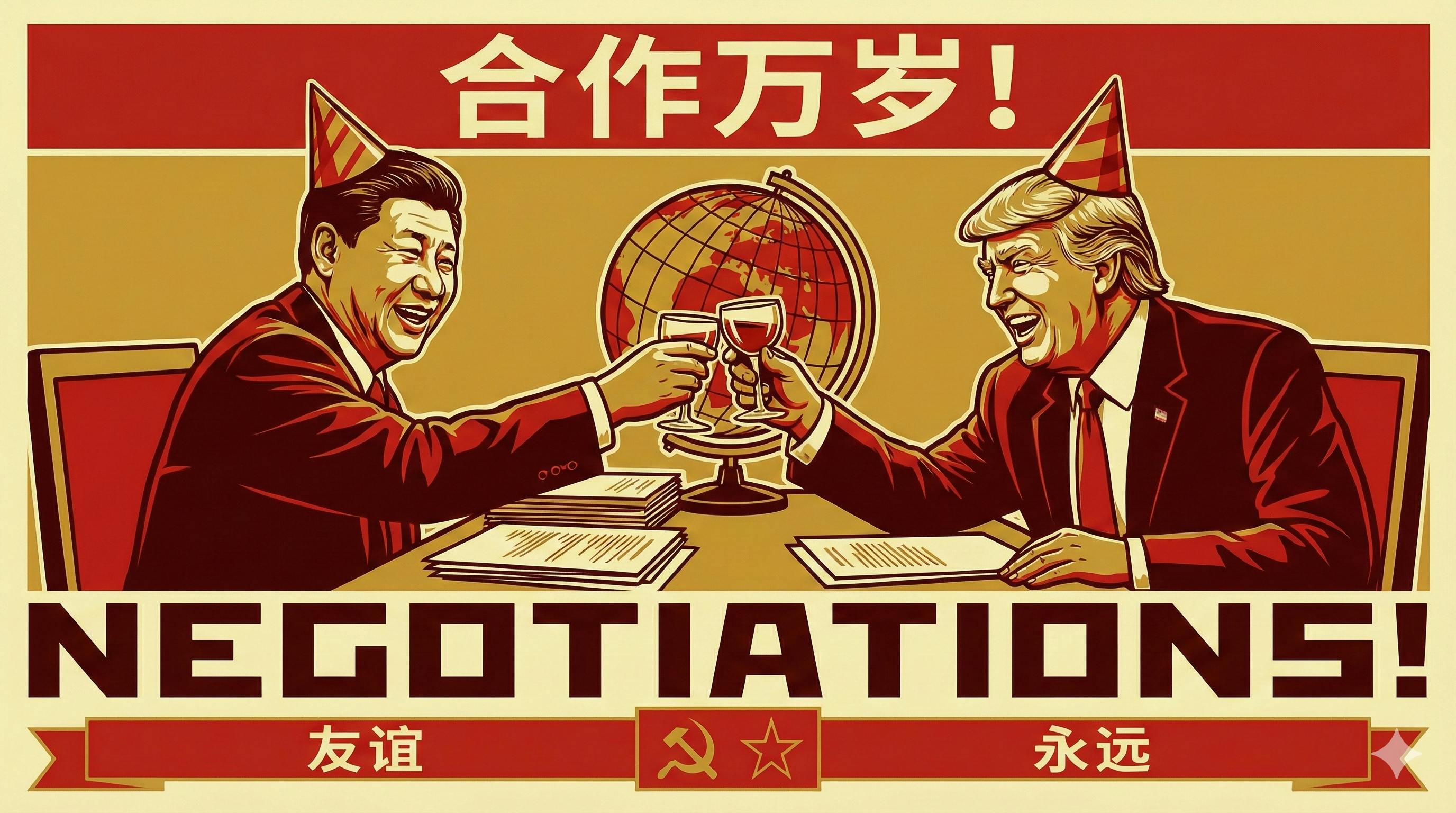
China's key learning from the past year is not that the U.S. lacks economic leverage, but that it lacks the political will to use it. Beijing perceives an unwillingness in Washington to endure domestic consequences, like higher consumer prices during an election year, to win a trade war.
Former Fed Vice Chair Alan Blinder suggests businesses were hesitant to pass tariff-related costs to consumers because of constant policy changes. This uncertainty over the final tariff rate, while bad for investment, paradoxically suppressed the immediate inflationary impact many economists expected.

To address voter concerns about affordability, the administration may pivot on seemingly unrelated policies like trade. A potential Supreme Court ruling limiting presidential tariff authority could be framed as an opportunity to pursue a lighter-touch tariff policy, alleviating cost pressures exacerbated by the AI buildout.

The immediate macroeconomic impact of the recent tariff ruling is negligible. However, a potential economic boost could occur in Q3 and Q4 if the temporary 150-day tariffs expire and investigations for new tariffs are delayed, leading to increased consumer demand and goods disinflation.
Stocks most affected by tariffs showed a muted reaction to a pending Supreme Court decision. This suggests investors believe the executive branch could use other authorities to maintain tariffs and that any potential refunds from an overturn would take years to materialize, diminishing the news's immediate market impact.
While the base case is that the President would replace tariffs struck down by the Supreme Court, there's a growing possibility he won't. The administration could use the ruling as a politically convenient way to reduce tariffs and address voter concerns about affordability without appearing to back down on trade policy.
The inflationary impact of tariffs is appearing slower than economists expected. Companies are hesitating to be the first to raise prices, fearing being publicly called out by politicians and losing customers to competitors who are waiting out the trade policy uncertainty.
Because tariff-driven inflation on everyday consumer goods has a greater financial impact on middle and lower-income households, any subsequent price relief from a change in tariff policy would provide a more significant economic benefit to these specific demographic groups.
The temporary 15% tariffs under Section 122 expire near the midterm elections. Given the political unpopularity of high tariffs, it is unlikely the administration will raise them further in the medium term, effectively capping rates at this level to appeal to voters concerned about affordability.
Given a tight legislative calendar and procedural hurdles in Congress before an election, sweeping legislation is improbable. The administration is more likely to rely on executive actions, like agency directives and tariff policy changes. These tools can be implemented quickly and unilaterally to provide voters with a tangible impact ahead of November.