Get your free personalized podcast brief
We scan new podcasts and send you the top 5 insights daily.
BridgeBio aims to become a "next generational" company like Regeneron. They believe the rare combination of two ingredients makes this possible: a successful, launched flagship product generating revenue, and a robust pipeline of multiple Phase 3 programs all set to read out within a year.

Related Insights
BridgeBio's founder saw biotech VCs exclusively funding high-risk "home run" platforms. He built a company to acquire therapies for smaller rare genetic diseases—"singles and doubles"—that were ignored. Aggregating these de-risks the portfolio and creates a major market opportunity.
BridgeBio's unique structure creates dedicated subsidiaries for each program. This empowers small, focused teams closest to the science to make key decisions—"play calling on the field"—without layers of bureaucracy. This model dramatically accelerates development, leading to unprecedented output of new drugs.
In the competitive oncology market, Step Pharma differentiates itself by highlighting its novel, "first-in-class" mechanism and excellent safety profile. This strategy attracts interest by focusing on a unique therapeutic opportunity and potential for combination therapies, rather than competing directly on incremental efficacy gains.
When prioritizing pipelines, biotechs must consider commercial viability, not just science. With China's ecosystem specializing in fast-follow "Me Too" drugs, such assets are becoming commoditized. To secure funding and premium exits, companies must focus on truly differentiated "first-in-class" or "best-in-class" programs.

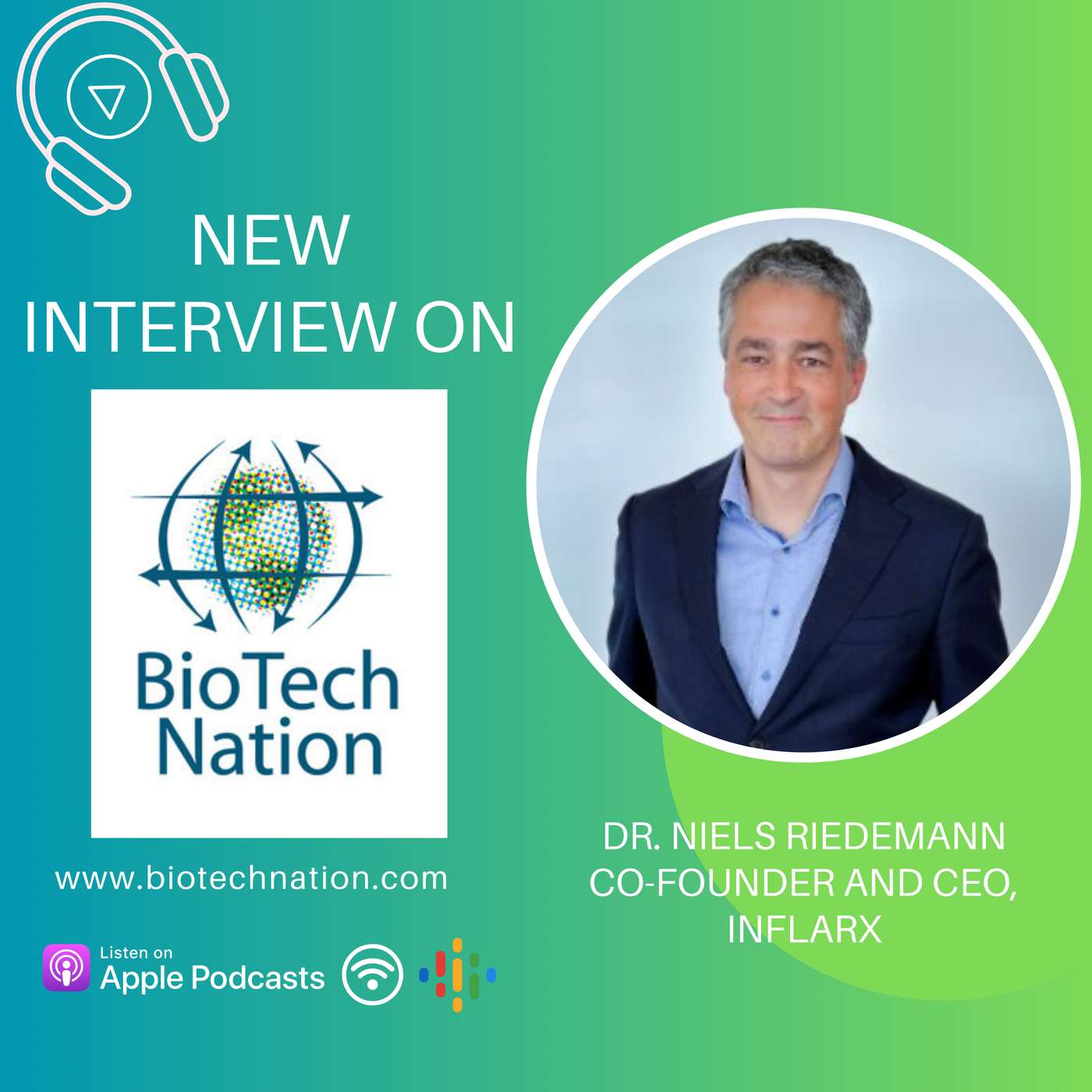
InflaRx's strategy targets the C5a pathway, implicated in many inflammatory conditions. By focusing on this single mechanism, their drug could potentially treat a wide range of diseases, from skin conditions to kidney disease, effectively creating a valuable "pipeline in a drug."
Terns Pharmaceuticals, previously known for its obesity and MASH programs, scored a major win with its chronic myeloid leukemia drug. This success demonstrates that a diversified, seemingly unfocused early-stage pipeline can be a strategic asset, allowing a company to pivot to a surprise blockbuster when other programs fail.

To maintain a competitive edge, BridgeBio only pursues programs that are either "first in class" (a novel treatment where none exists) or "best in class" (a demonstrably superior option, like an oral pill versus a daily injection). This strict strategic filter is the core of their entire R&D pipeline selection process.
The current biotech bull market is fundamentally different from past rallies. It's driven by small and mid-sized companies successfully launching products and generating revenue, shifting the sector from a "dream-based" industry to one focused on execution and profitability.

The profile of a company prepared to go public has matured significantly. Unlike the 2020 boom where IND acceptance was a key milestone, today's IPO candidates typically need Phase 2 or even Phase 3 data, raising the quality bar but shrinking the potential pool of companies.
The future of biotech moves beyond single drugs. It lies in integrated systems where the 'platform is the product.' This model combines diagnostics, AI, and manufacturing to deliver personalized therapies like cancer vaccines. It breaks the traditional drug development paradigm by creating a generative, pan-indication capability rather than a single molecule.
