Get your free personalized podcast brief
We scan new podcasts and send you the top 5 insights daily.
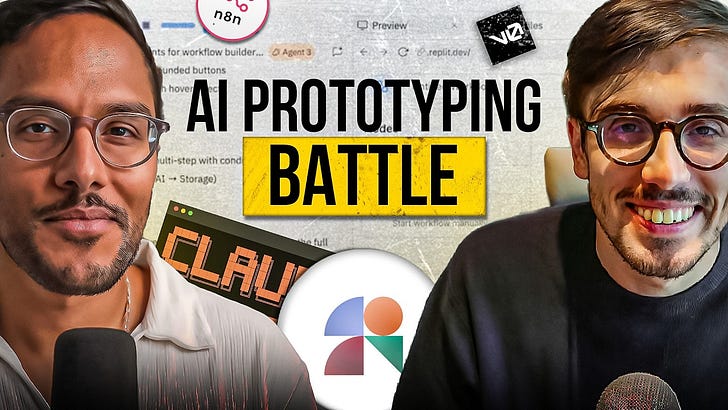
Dramatically accelerate product development by "tool-hopping": use Perplexity for research, feed results to a custom ChatGPT for a PRD, generate a UI prototype with V0 from the PRD, and create a promotional video with Flow or Sora for stakeholder buy-in.
Related Insights
AI prototyping doesn't replace the PRD; it transforms its purpose. Instead of being a static document, the PRD's rich context and user stories become the ideal 'master prompt' to feed into an AI tool, ensuring the initial design is grounded in strategic requirements.
Go beyond static prototypes by using text-to-video tools like Flow or Sora to create promotional clips. This final step allows stakeholders to visualize the product in a real-world context and emotionally connect with the user experience, making your pitch significantly more persuasive.
Traditional "writing-first" cultures create communication gaps and translation errors. With modern AI tools, product managers can now build working prototypes in hours. This "show, don't tell" approach gets ideas validated faster, secures project leadership, and overcomes language and team barriers.
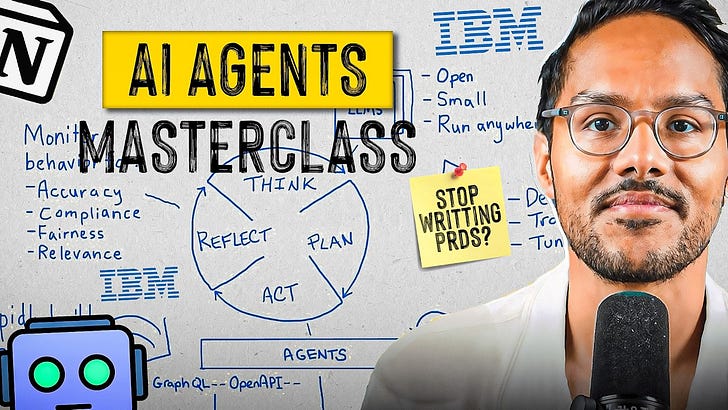
A repeatable workflow exists for non-technical builders: research ideas with Perplexity, formalize a Product Requirements Document with Claude, generate a frontend prototype with Magic Patterns, and then deploy the code in Replit with a Supabase backend.

In AI, low prototyping costs and customer uncertainty make the traditional research-first PM model obsolete. The new approach is to build a prototype quickly, show it to customers to discover possibilities, and then iterate based on their reactions, effectively building the solution before the problem is fully defined.

Historically, resource-intensive prototyping (requiring designers and tools like Figma) was reserved for major features. AI tools reduce prototype creation time to minutes, allowing PMs to de-risk even minor features with user testing and solution discovery, improving the entire product's success rate.
Product Requirement Documents (PRDs) are often written and then ignored. AI-generated prototypes change this dynamic by serving as powerful internal communication tools. Putting an interactive model in front of engineering and design teams sparks better, more tangible conversations and ideas than a flat document ever could.

Instead of writing detailed Product Requirement Documents (PRDs), use a brief prompt with an AI tool like Vercel's v0. The generated prototype immediately reveals gaps and unstated assumptions in your thinking, allowing you to refine requirements based on the AI's 'misinterpretations' before creating a clearer final spec.
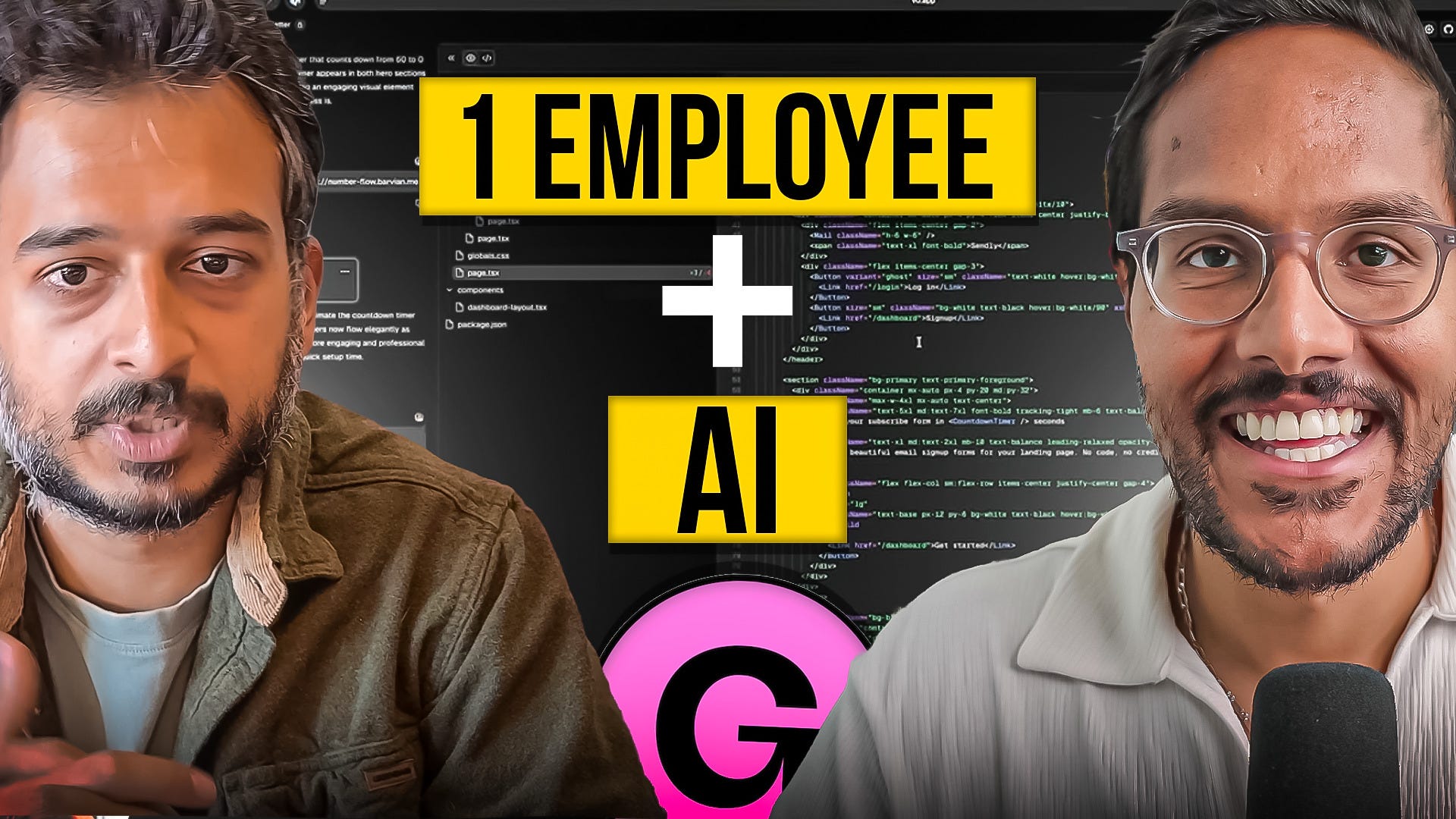
The product development cycle has shifted. Instead of writing a spec, Product Managers use AI coding tools like Bolt.new to build the initial working version of a product. They then hand this functional prototype to engineers for hardening, security, and scaling, dramatically accelerating the process.
In an AI-driven workflow, the primary value of a rapid prototype is not for design exploration but as a communication tool. It makes the product vision tangible for stakeholders in reviews, increasing credibility and buy-in far more effectively than a slide deck.