Get your free personalized podcast brief
We scan new podcasts and send you the top 5 insights daily.
In Solomon Asch's famous 1951 experiment, 75% of participants knowingly gave an incorrect answer to a simple visual test after hearing others do so. This reveals that the psychological need for group conformity is powerful enough to make people contradict the evidence of their own eyes, choosing social safety over objective truth.

Related Insights
Our personal tastes are highly malleable and heavily shaped by our social environment. The guest, Emily Falk, initially found actor Benedict Cumberbatch average-looking. However, after exposure to a book, her partner, and friends who all found him attractive, her own perception shifted dramatically. This demonstrates that our brain's "social relevance system" can override our initial, independent judgments.
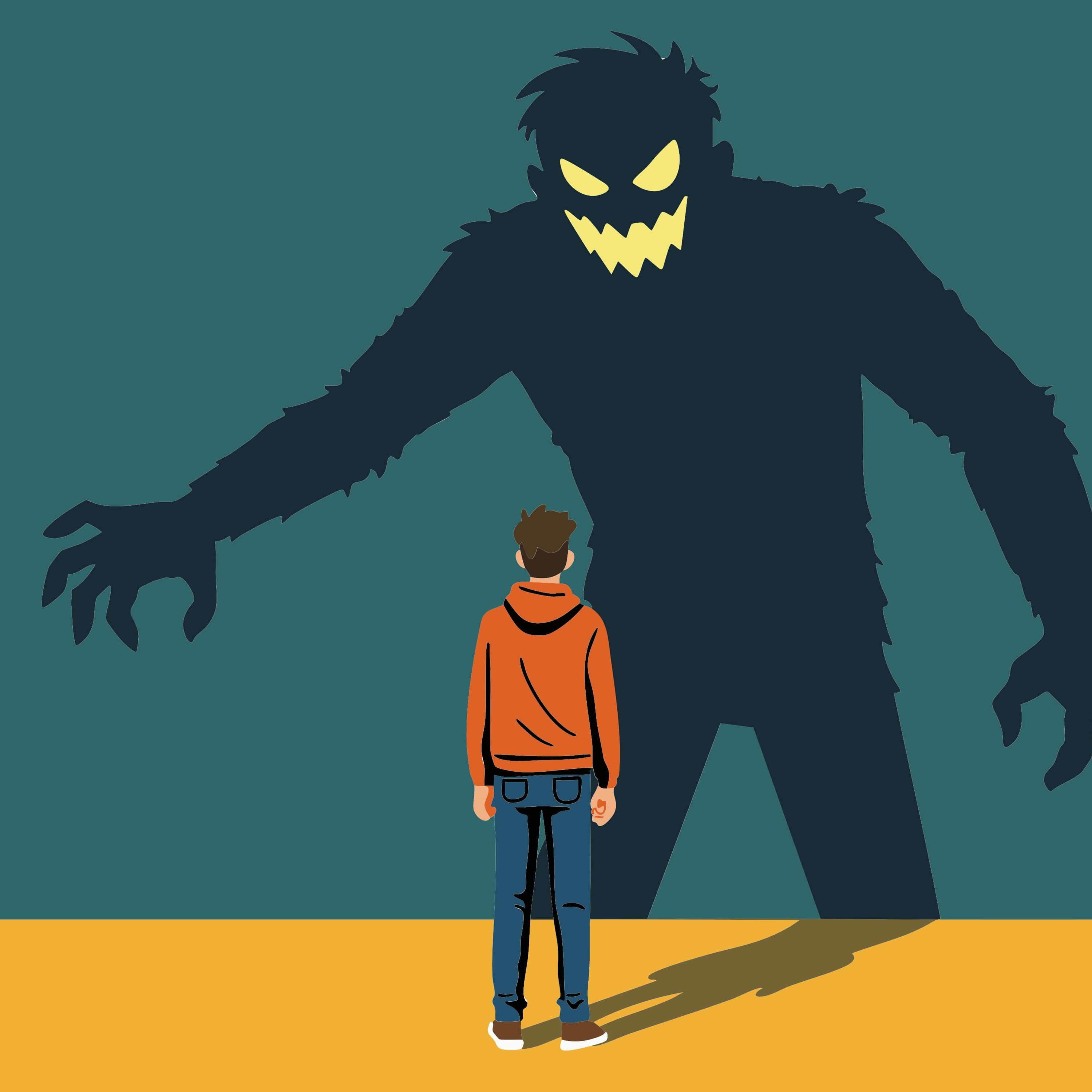
Unlike groupthink (conforming to fit in), pluralistic ignorance occurs when team members privately disagree with a leader but stay silent, falsely believing they are the only ones. This collective misperception, not a desire for cohesion, creates a "yes-man" culture.

A German police battalion of 500 ordinary men was ordered to kill civilians. Despite being offered a way out with no consequences, only 12 refused. The rest—truck drivers and salesmen—killed 83,000 people, driven not by inherent evil but by the powerful desire to stay within the safety of their group.
In variations of Stanley Milgram's obedience experiments, the presence of nonconformists, or "principled deviants," dramatically reduced the group's willingness to inflict harm. These outsiders model ethical behavior, reining in the cruelty of others and guiding the group toward a better moral outcome.

The viral thought experiment forces a choice: press Red to save yourself no matter what, or Blue to save everyone if over 50% cooperate. While game theory points to Red as the dominant strategy, large-scale polls consistently show a majority picking Blue, demonstrating a powerful bias towards collective action.

Most people (88%) agree on fundamental values but remain silent, fearing ostracization. This allows the most extreme 5% of voices to dominate 90% of public discourse, creating a false impression of widespread disagreement and polarization where one doesn't exist.

The Klee/Kandinsky study shows people favor their "in-group" even when assigned randomly. More surprisingly, they will accept less for their own group if it means the "out-group" gets even less, prioritizing the *difference* over absolute gain.

A study found people rated the same t-shirt as more disgusting when they believed it belonged to a rival university. This shows our in-group/out-group biases can fundamentally alter basic sensory experiences like smell, not just abstract beliefs.
Social identity is not just a high-level belief system; it acts as a cognitive filter that shapes our fundamental sensory experiences. For example, Swiss participants reminded of their national identity experienced the smell of chocolate more intensely. This shows that group affiliation can change what we literally see, taste, and smell.

Humans are heavily influenced by what others do, even when they consciously deny it. In a California study, homeowners' energy usage was most strongly predicted by their neighbors' habits. However, when surveyed, these same residents ranked social influence as the least important factor in their decisions, revealing a powerful disconnect between our perceived autonomy and actual behavior.