Get your free personalized podcast brief
We scan new podcasts and send you the top 5 insights daily.
While many voice AIs exist, Grok's stands out for its intelligence and, crucially, its ability to perform real-time tool-calling and research. This makes it a far more effective partner for complex, interactive research sessions compared to other platforms.

Related Insights
By providing a model with a few core tools (context management, web search, code execution), Artificial Analysis found it performed better on complex tasks than the integrated agentic systems within major web chatbots. This suggests leaner, focused toolsets can be more effective.

Perplexity's agent, Computer, leverages a "multi-model orchestration" strategy. For a single user request, it might use Opus for planning, GPT for writing, and Gemini for audio. This model-agnostic approach allows it to always use the best-in-class model for each sub-task, a flexibility its larger competitors lack.

Power users of AI agents believe the ideal user interface is not graphical but conversational. They prefer text-based interactions within existing chat apps and see voice as the ultimate endgame. The goal is an invisible assistant that operates autonomously and only prompts for input when absolutely necessary, making traditional UIs feel like friction.
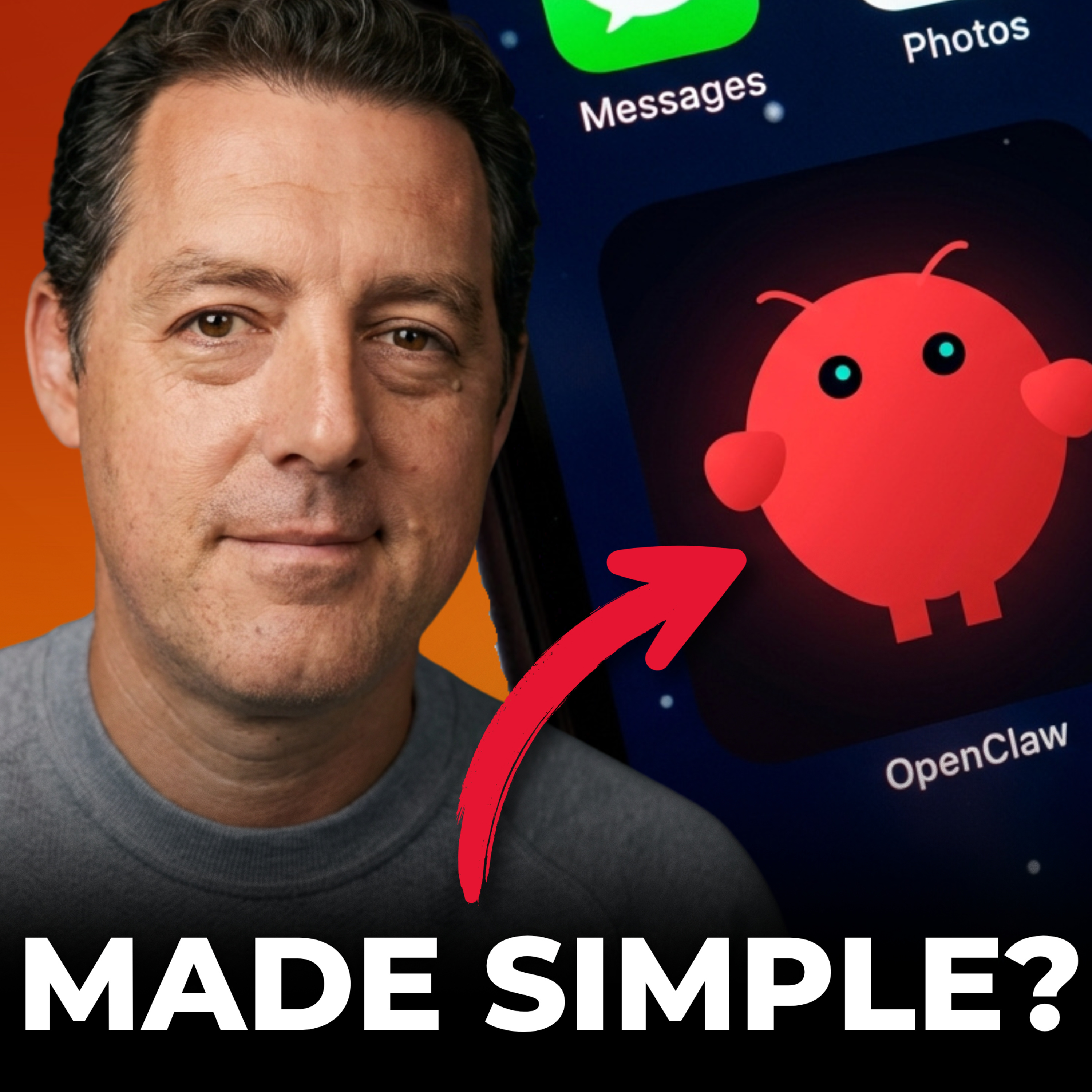
The interface for AI agents is becoming nearly frictionless. By setting up a voice-to-voice loop via an app like Telegram, users can issue complex commands by simply holding down a button and speaking. This model removes the cognitive load of typing and makes interaction more natural and immediate.

Dominant models like ChatGPT can be beaten by specialized "pro tools." An app for "deepest research" that queries multiple AIs and highlights their disagreements creates a superior, dedicated experience for a high-value task, just as ChatGPT's chat interface outmaneuvered Google search.

The effectiveness of a Voice AI platform stems from its data infrastructure. By treating every customer interaction as a use case, stripping it of private data, and feeding it into a shared "graph," the system continuously trains all AIs on the platform. This creates a network effect where each business benefits from the collective experience.

The magic of ChatGPT's voice mode in a car is that it feels like another person in the conversation. Conversely, Meta's AI glasses failed when translating a menu because they acted like a screen reader, ignoring the human context of how people actually read menus. Context is everything for voice.
Unlike single-provider tools, Perplexity Computer orchestrates multiple AI models (Sonnet, Gemini, Opus) for different sub-tasks like planning, coding, and reasoning. This ensemble approach reduces the frustrating re-prompting loop and yields better results from a single initial prompt.

Once a voice input tool reaches a high quality threshold, user behavior changes dramatically. Whisperflow users transition from doing 20% of their computer work with voice to 80% within four months, indicating that a powerful, sticky habit forms that effectively replaces the keyboard for most tasks.

Despite the focus on text interfaces, voice is the most effective entry point for AI into the enterprise. Because every company already has voice-based workflows (phone calls), AI voice agents can be inserted seamlessly to automate tasks. This use case is scaling faster than passive "scribe" tools.
